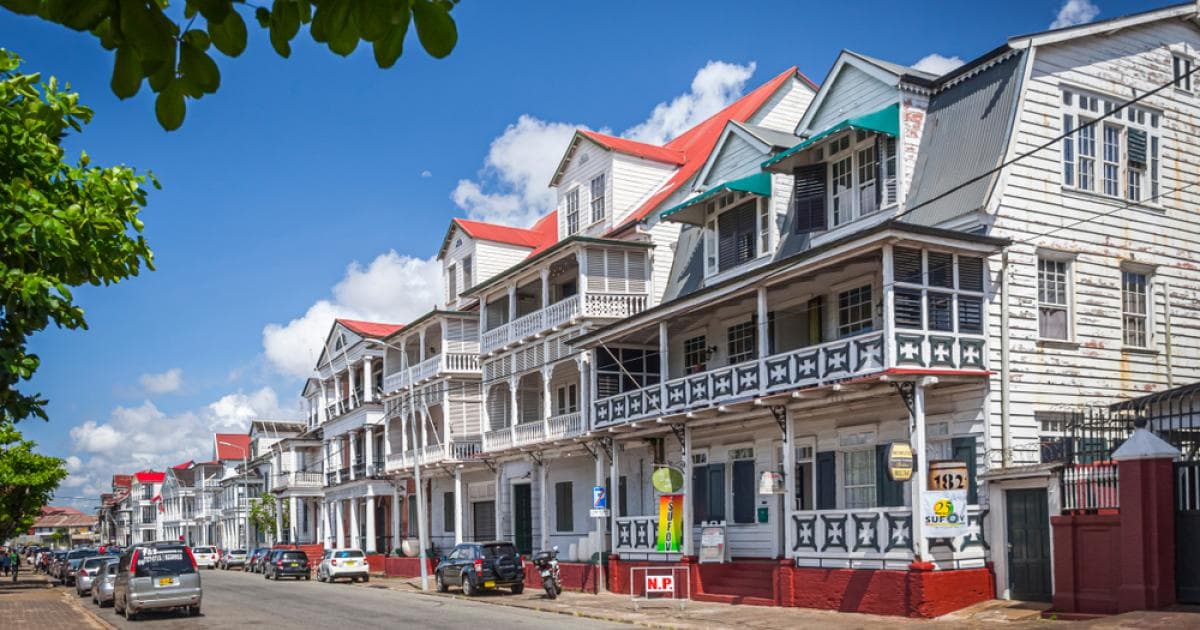
Paramaribo is one of the most surprising capitals in South America. Most visitors come expecting a transit stop on the way to the interior. They usually stay longer than planned.
The city is small enough to walk across in an afternoon. It has a UNESCO-listed historic centre, a street where a mosque and synagogue have stood side by side for almost a century, the largest wooden cathedral in the Western Hemisphere, and a food culture that reflects the whole world in a few city blocks. Two days here is enough to feel it. Three is better.
This is what to do and how to do it.
- The Waterkant: riverfront boulevard, best walked before 9am, good for dinner at sunset
- Fort Zeelandia: the country's oldest fort and the Surinaams Museum, closed Mondays
- Keizerstraat: the mosque and synagogue standing side by side
- Saint Peter and Paul Cathedral: the largest wooden structure in the Western Hemisphere
- The Central Market: open Monday to Saturday, closes around 1pm, go early
- Palmentuin: the Palm Garden, good by day, best avoided after dark
- Independence Square: the Presidential Palace and Sunday morning bird singing competitions
Start with the Waterkant
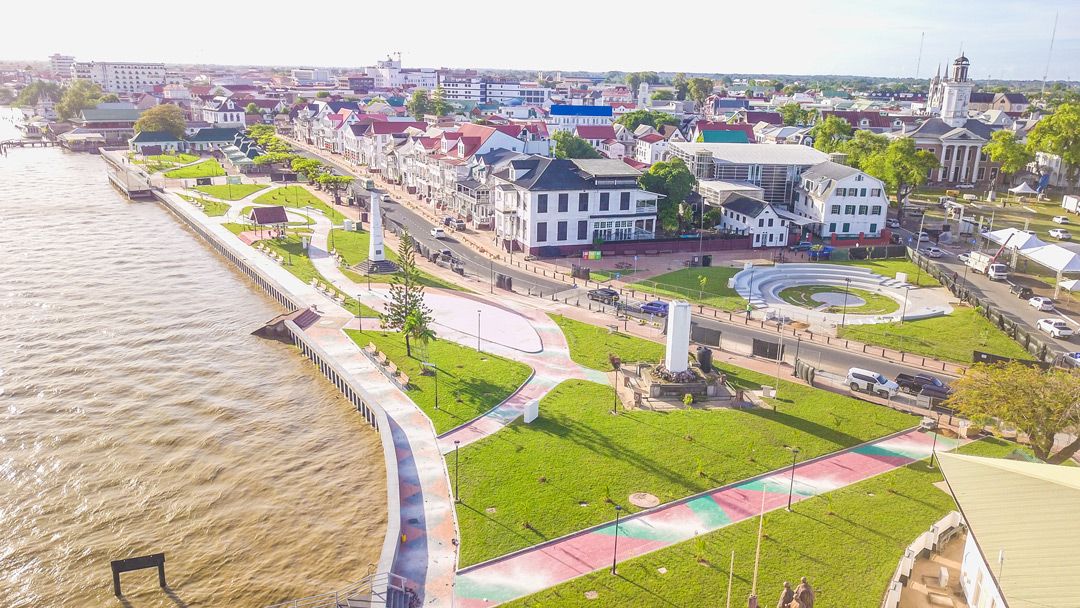
Photo: Dagblad de West
The Waterkant is Paramaribo's riverfront boulevard, and it's the right place to begin. Wide wooden colonial buildings line the promenade, their gabled facades facing the Suriname River. Some of the structures are 17th and 18th century. Most are still in use.
Walk it in the early morning before the heat builds. The light on the buildings is best before 9am. The river breeze is still cool. Street vendors are setting up. A few people are fishing from the bank.
The Waterkant connects most of what you'll want to see in the historic centre. From here you can reach Fort Zeelandia in five minutes on foot, the Central Market in ten, and Keizerstraat in fifteen.
In the evenings, the Waterkant shifts. Restaurants and bars open onto the promenade. People sit with drinks and watch the river. It's one of the better places in the city for dinner as the sun drops.
Fort Zeelandia
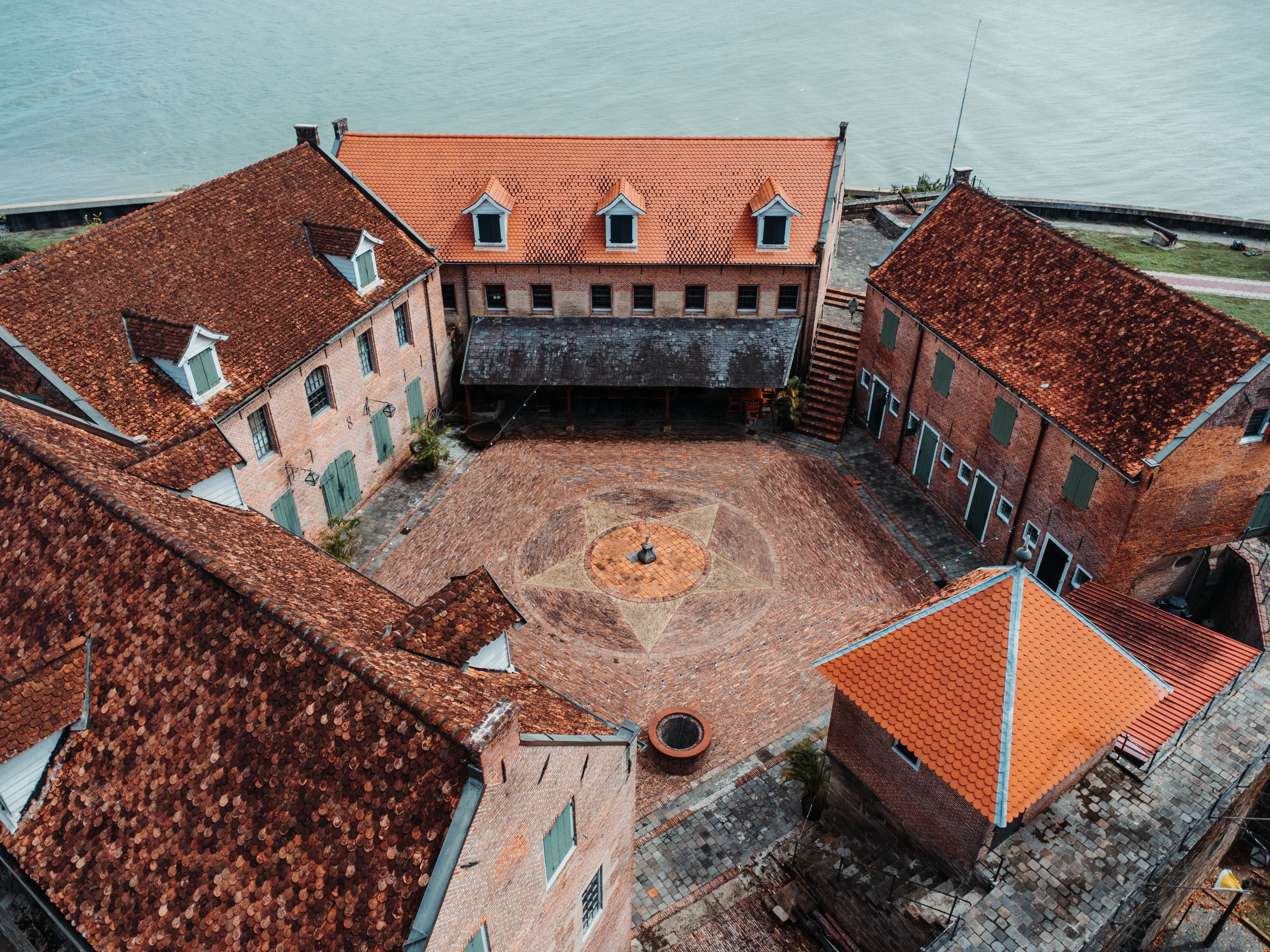
Photo: Junie609 / Wikimedia Commons (CC BY-SA 4.0)
Fort Zeelandia is the oldest and most important historical site in Suriname. The French built a wooden fort here in 1640. The British took it in 1651 and reinforced it with stone, renaming it Fort Willoughby. The Dutch captured it in 1667, renamed it Fort Zeelandia, and from that moment Paramaribo's history as a Dutch colonial city began.
The pentagonal structure sits directly on the Suriname River. Walk the walls. The river views are worth it regardless of the museum.
Inside, the Surinaams Museum traces the country's full history: colonisation, slavery, the waves of Asian immigration, independence in 1975. The exhibits cover European, Hindustani, Maroon, Chinese, Javanese, and indigenous Amerindian heritage. An old apothecary shop, a cobbler's shop, and a prison cell are preserved inside.
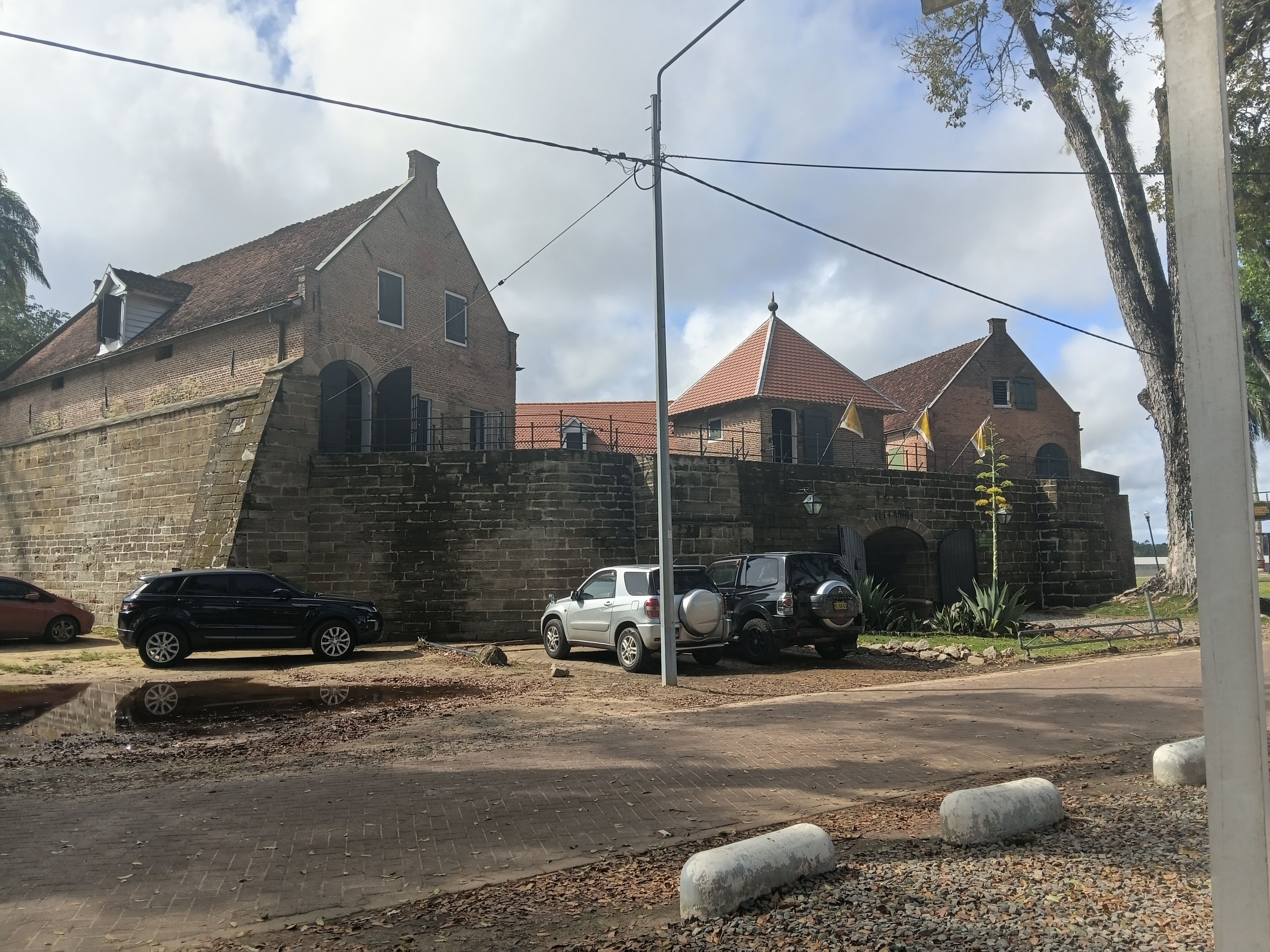
Photo: Ginmardo / Wikimedia Commons (CC BY-SA 4.0)
The fort also carries a darker chapter. In December 1982, fifteen Surinamese men who had criticised the military dictatorship were murdered here. Their names are remembered in the museum. It's a visit that rewards patience and reflection more than a quick walk-through.
Hours: closed Mondays, Tuesday to Friday 9am to 2pm, Sunday 10am to 2pm. A free guided tour runs every Sunday at 10:30am, covering the fort's history, capped at 15 to 20 people, so arrive on time. The museum's own visitor information doesn't publish a current entrance fee, so budget for a small charge and confirm the exact amount by calling +597 425-871 before you go. English signage inside is limited, so if you don't speak Dutch, come with your own guide or budget extra time with a translation app.
Keizerstraat: the mosque and the synagogue
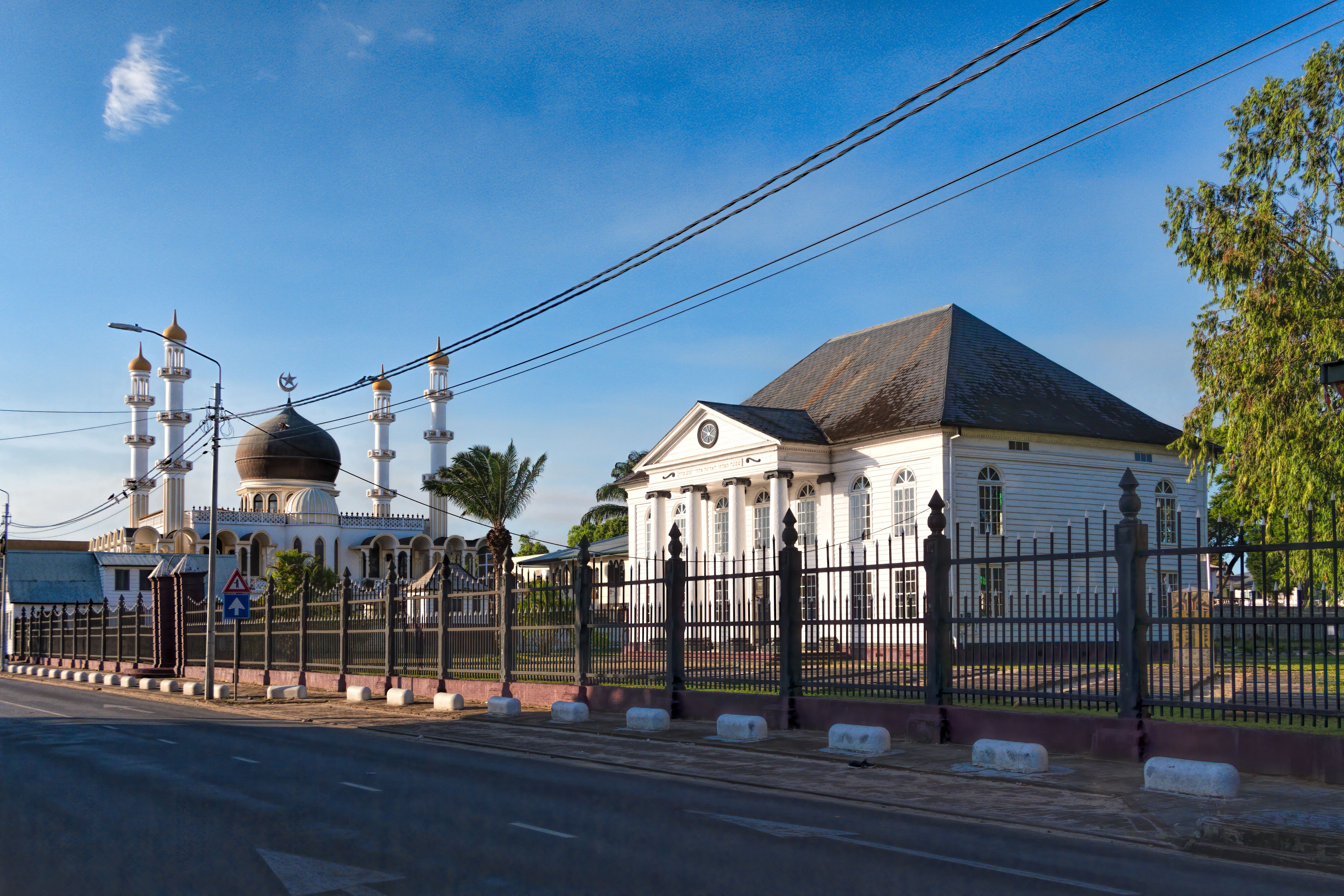
Photo: Dan Lundberg / Wikimedia Commons (CC BY-SA 2.0)
A five-minute walk from the Waterkant, Keizerstraat has one of the most quietly remarkable sights in the Caribbean.
The Neveh Shalom Synagogue and the Mosque Keizerstraat stand directly next to each other, sharing the same street, their entrances metres apart. They have coexisted here for decades without incident.
The synagogue's current building was completed in 1842, though the Jewish community has held this lot since 1716. The floor inside is covered in white sand, a tradition brought from the synagogues of Amsterdam. The Sephardi and Ashkenazi communities merged in the 1990s and share services today.
The mosque is the largest in the Caribbean. The first mosque at this location opened in 1929; the current building was completed in 1984. In 1979, Muhammad Ali visited.
Neither building announces itself. You turn a corner and there they are, side by side, quiet and matter-of-fact about the whole thing. That's Paramaribo.
The synagogue is visit-by-appointment only, Monday to Thursday, 10am to 4pm, with guided tours available if you arrange ahead. The mosque is more casual: mid-morning on weekdays is the easiest time to be welcomed in, but avoid Friday from around noon to 2pm, when jumu'ah prayers are underway and it isn't an appropriate time for a tourist visit.
Dress modestly for both. Check times before visiting. Non-service hours are generally more welcoming to visitors.
Saint Peter and Paul Cathedral
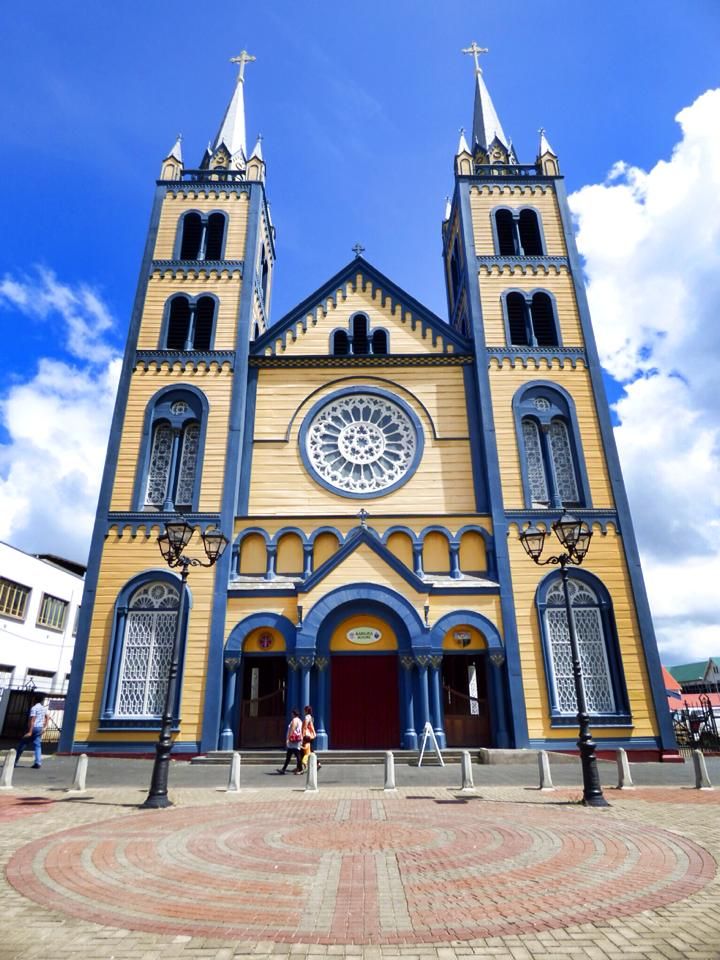
Photo: travel2unlimited.com
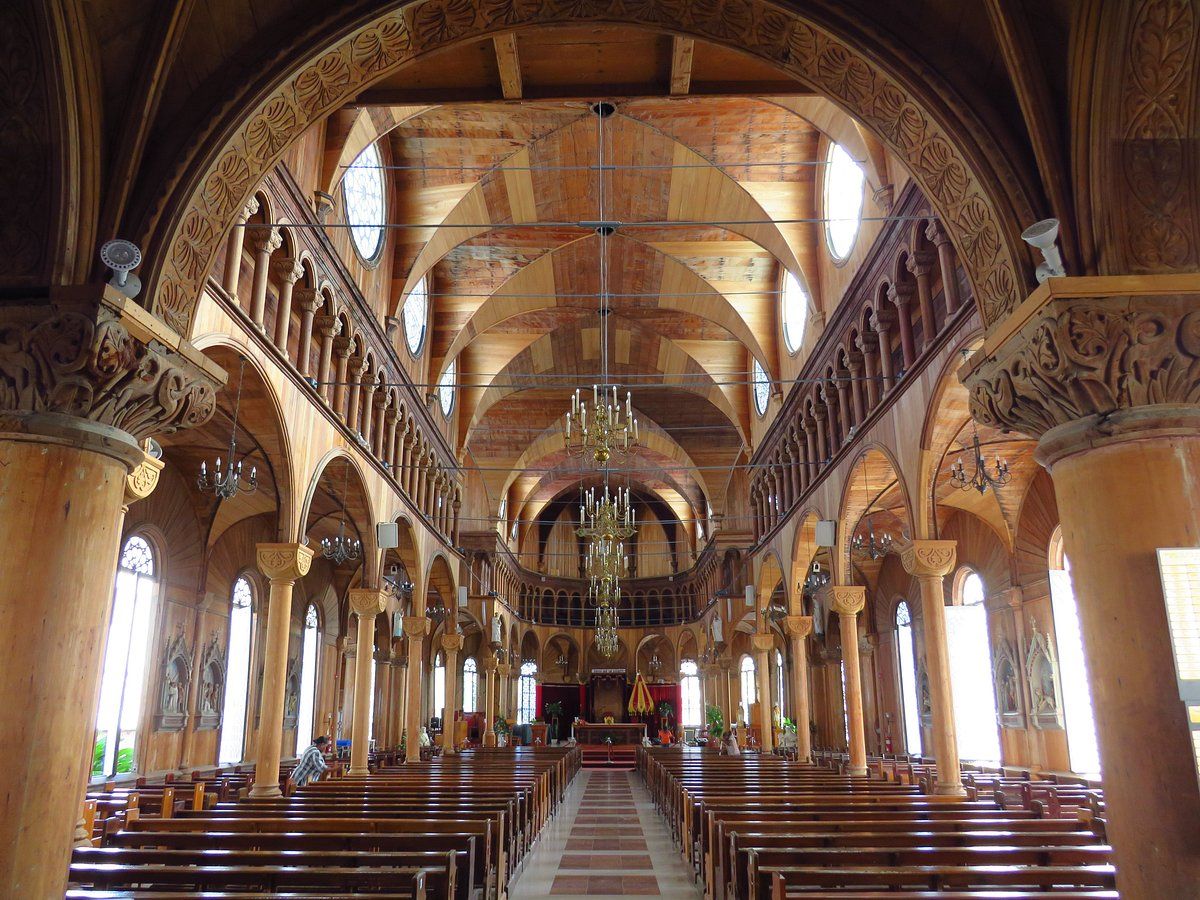
Photo: via Tripadvisor
A few minutes from Keizerstraat stands the largest wooden structure in the Western Hemisphere. Saint Peter and Paul Cathedral is 194 feet tall, built entirely from Surinamese cedar, and was designated a Minor Basilica by Pope Francis in 2014. The interior is unpainted cedar throughout, with an organ of 1,550 pipes and three bells.
The pink exterior makes it immediately recognisable from a distance. Inside, the light through the stained-glass windows catches the grain of the wood in a way that is genuinely hard to describe. Go in the morning when the light is right.
Hours: Monday to Friday 6am to 1:30pm, Saturday 8am to 1pm, Sunday 8:30am to noon. Entry is free, though donations toward upkeep are appreciated. Dress modestly, and go on a weekday morning if you want the interior without a service in progress.
The Central Market
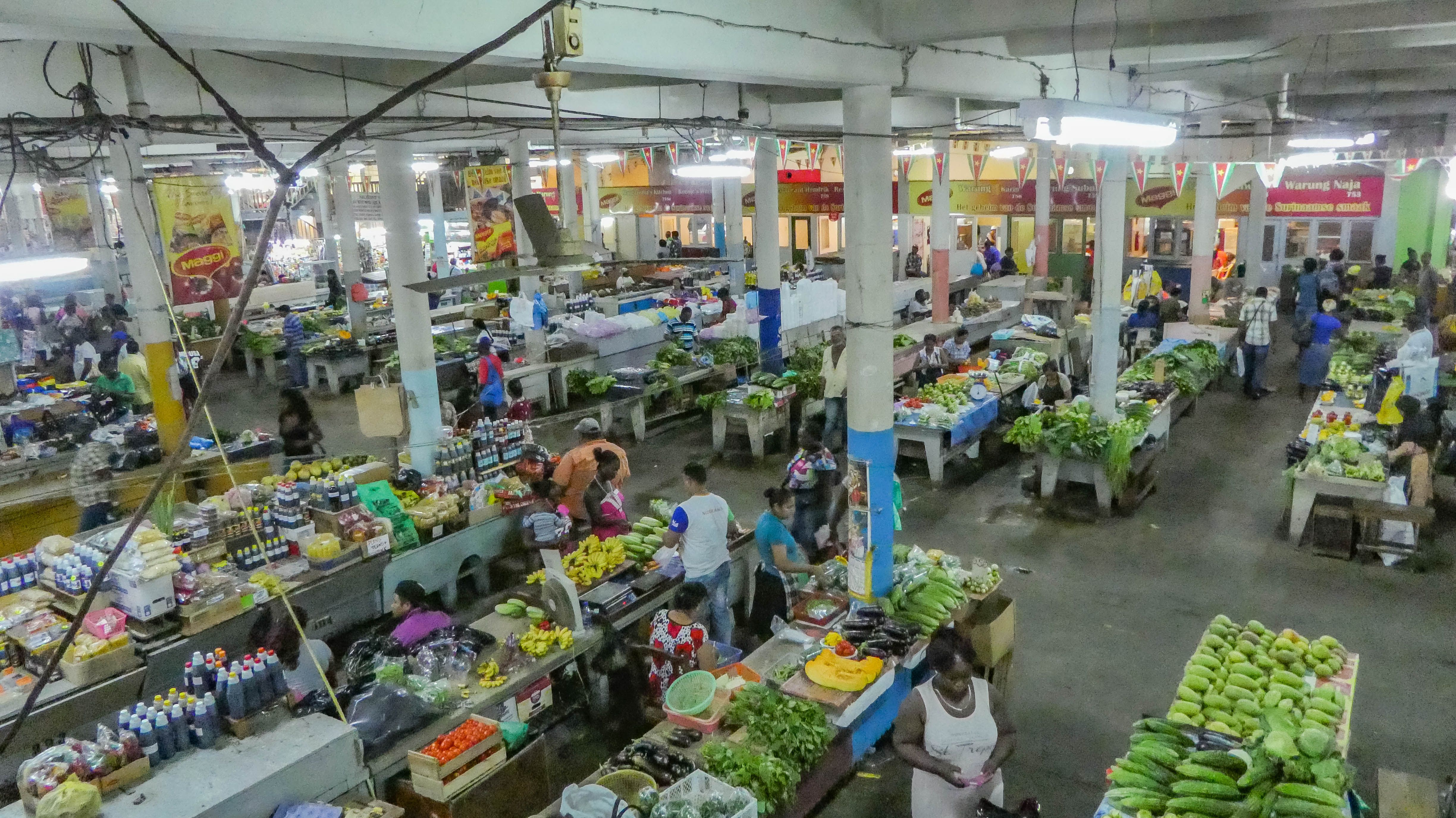
Photo: -JvL- / Wikimedia Commons (CC BY 2.0)
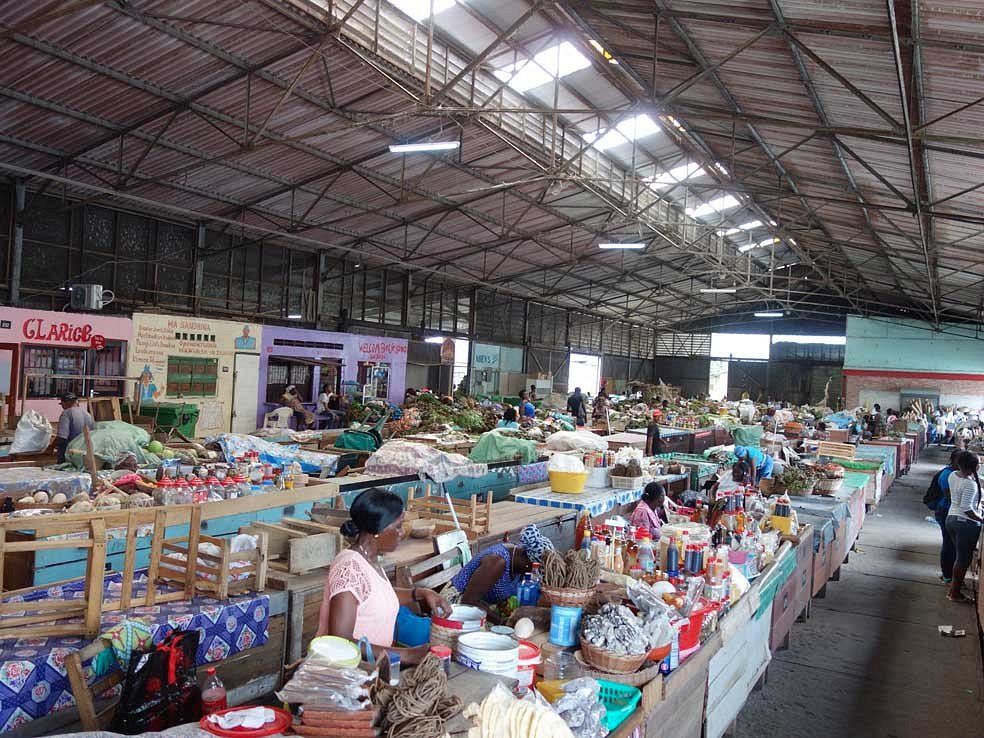
Photo: via Tripadvisor
The Centrale Markt is open Monday to Saturday and closes around 1pm. Go in the morning.
Two floors of vendors sell tropical fruit, fresh fish, dried shrimp, herbs, spices, medicinal plants, cloth, and ready-to-eat food. The lower floor is produce and seafood. The upper floor has food stalls serving roti, saoto soup, bami, and Creole dishes. The building is covered, which helps in the rain.
Next to the main market is the Vreedzaammarkt, sometimes called the Maroon Market or the Witch's Market. Maroon women sell medicinal herbs and plants brought from the interior. It's smaller and quieter than the main hall, and more unusual.
Go hungry. Eat something you can't identify. Ask what it is. Bring cash: most stalls here don't take cards.
For more on the food culture around the market, the Suriname food guide covers the dishes and where to find them.
Palmentuin
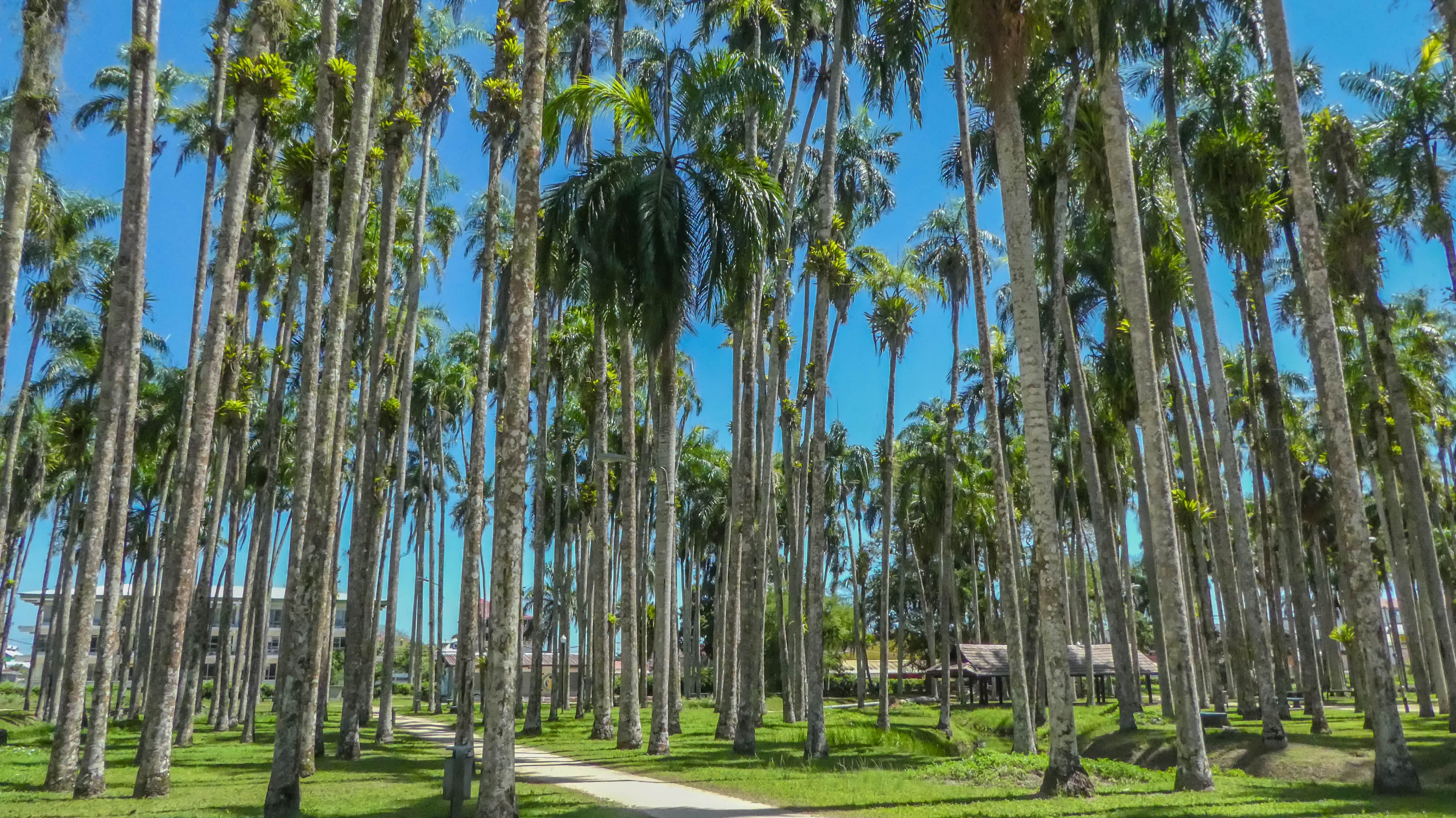
Photo: -JvL- / Wikimedia Commons (CC BY 2.0)
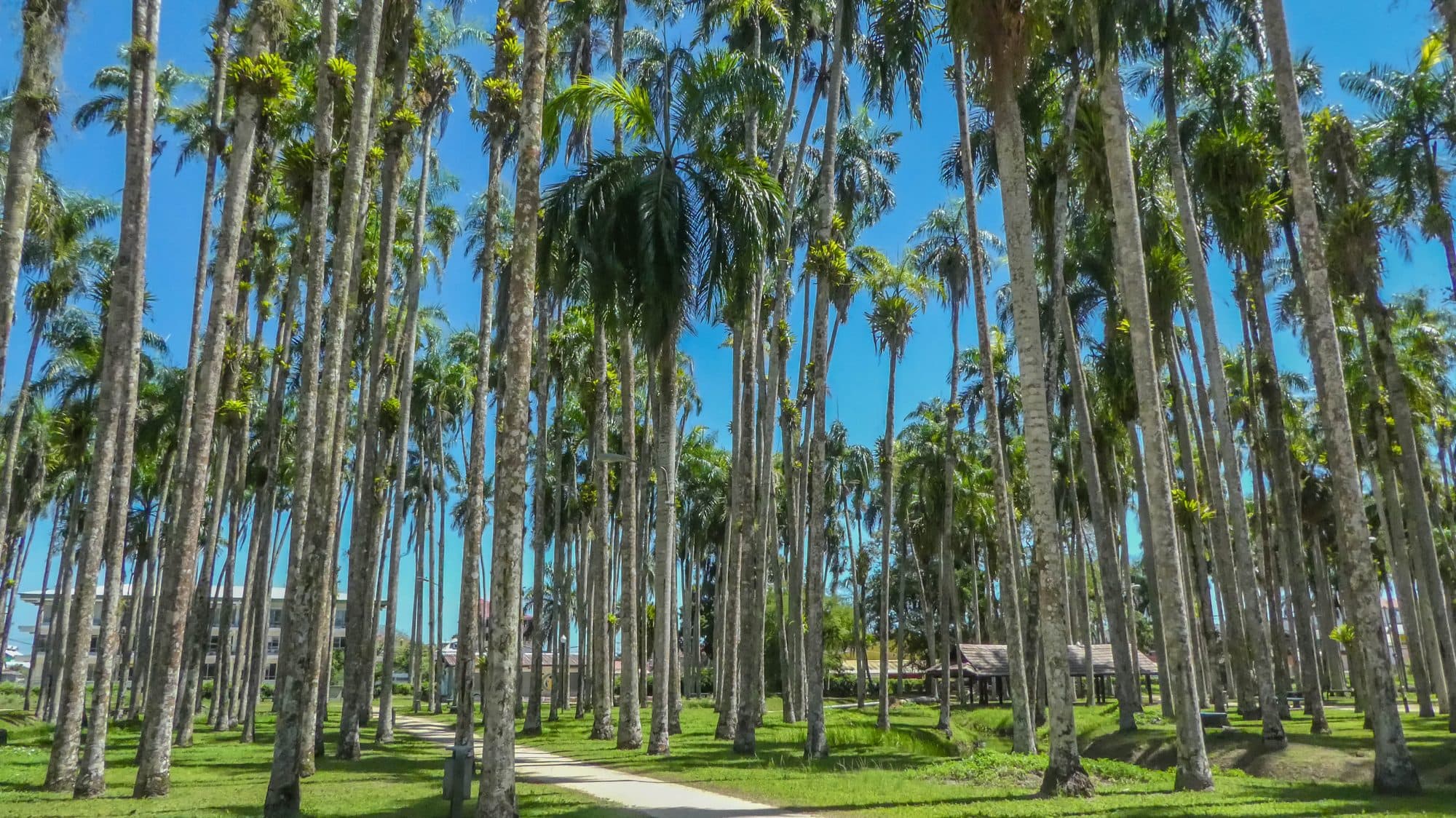
Palmentuin, the Palm Garden, has been here since 1685. It sits directly behind the Presidential Palace, right in the city centre.
Tall royal palms line the paths. Capuchin monkeys move through the canopy and occasionally come down to investigate. Tropical birds are common in the mornings. It's a good place to sit out the midday heat.
At night, the Palmentuin's reputation changes. The garden is not well-lit and is best avoided after dark, a point the Suriname safety guide makes too.
Independence Square and the Presidential Palace
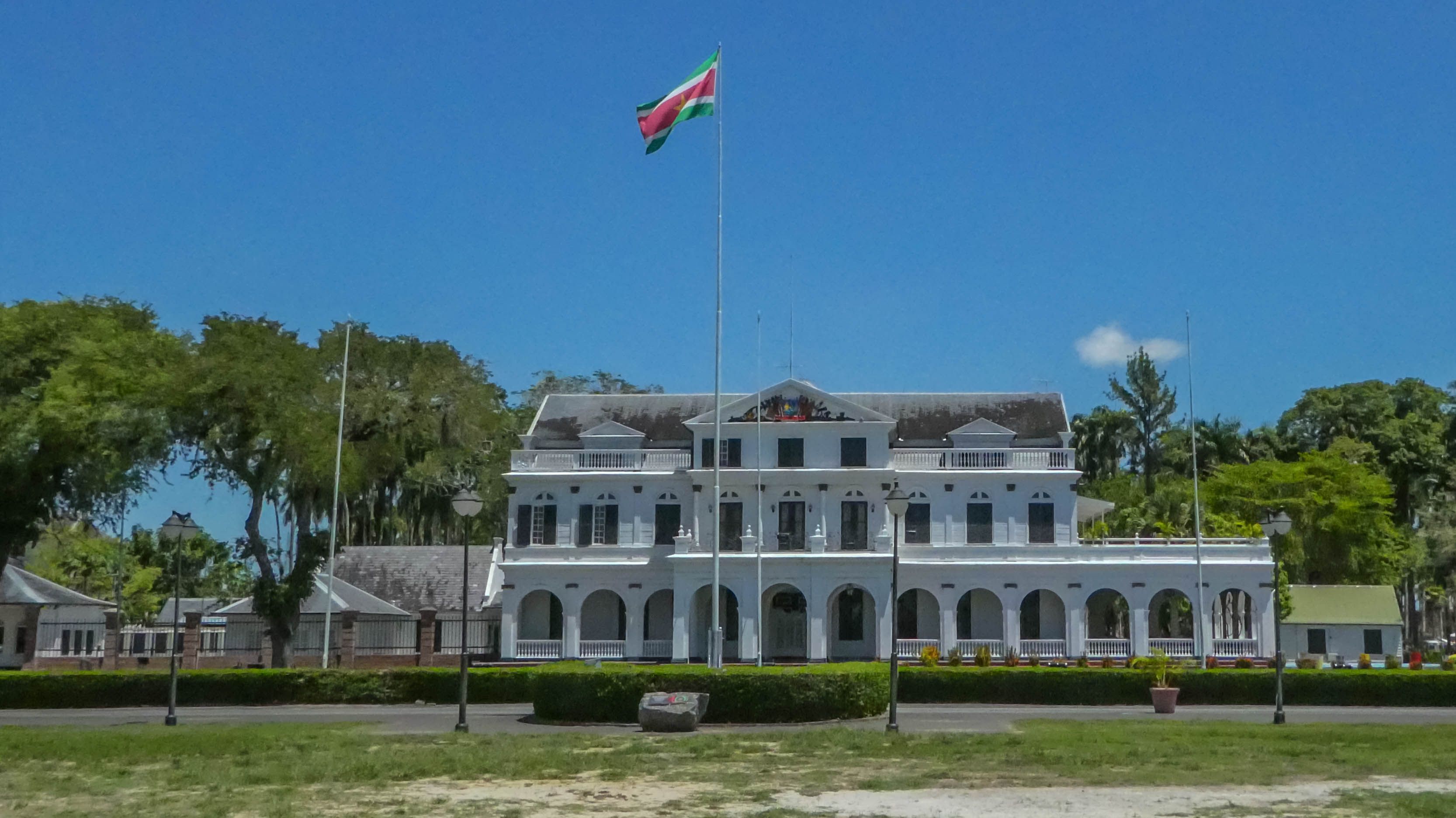
Photo: -JvL- / Wikimedia Commons (CC BY 2.0)
Onafhankelijkheidsplein (Independence Square) is the political centre of Paramaribo. The Presidential Palace, the Ministry of Finance, and the National Assembly all face the square. The palace was originally built in 1730. The interior isn't open to the public, so this is an exterior stop: view and photograph the facade from the square, or walk around to the Palmentuin side, where entry is free but you'll sign a visitor sheet at the sentry box.
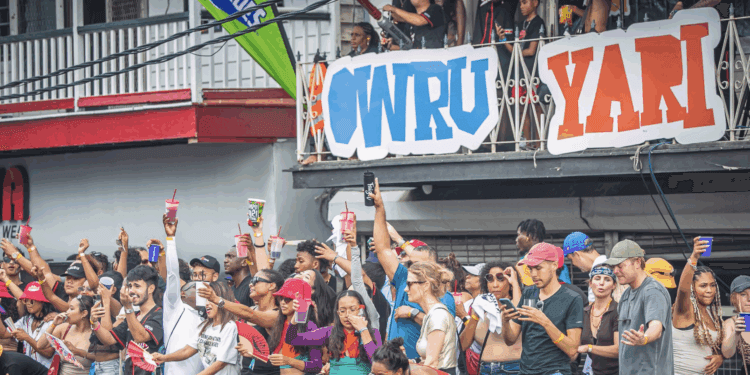
On Sunday mornings, the square hosts bird singing competitions. Owners bring caged birds and compete on the quality of their songs, scored against each other. The contest itself was formalised in the 1950s, though nobody agrees on where the practice of training birds to sing originally came from, some trace it to Chinese immigrants, others to older jungle traditions. Around 17 bird-singing clubs in the Paramaribo area compete regularly today. Go early. It's done by mid-morning.
How long do you need?
Two full days covers the UNESCO centre on foot: Fort Zeelandia, Keizerstraat, the Cathedral, the Central Market, and an evening on the Waterkant. A third day gives you a slower morning in the market and time to explore without a schedule.
Paramaribo is a city that rewards walking slowly and stopping without a reason. The architecture is best without a schedule.
For getting around the city, the transportation guide covers taxis, ride-hailing apps, walking distances, and how to get further afield from the capital. For timing your visit around festivals and dry season conditions, see the best time to visit guide. The Paramaribo destination guide covers the wider city beyond this walking list, including day trips and where to stay.