IMAGE SOURCE: peperpotnaturepark.com
Most people who visit Suriname spend the bulk of their time in Paramaribo, and that's fair. The capital has enough to keep you busy for a few days. But Suriname is a small country in the best possible sense. You can reach rainforest, colonial river plantations, turtle nesting beaches, and centuries-old ruins all within a few hours of the city.
This guide covers the best day trips you can actually do from Paramaribo in 2026, with real information on how to get there, what to expect, and links to the tour operators that run each route. All five are covered in more depth on their own destination pages, including the districts around each one.
- Brownsberg Nature Park: waterfalls and rainforest hiking, 130 km south, best July to December
- Commewijne River and plantations: colonial history by boat or bicycle, 15 km across the river, any time of year
- Peperpot Nature Park: the easiest trip on this list, 10 km out, best early morning
- Jodensavanne: 17th-century Jewish settlement ruins, 50 km upriver, any time of year
- Galibi Nature Reserve: sea turtle nesting on the coast, 145 km to Albina plus a boat crossing, best January to August
1. Brownsberg Nature Park
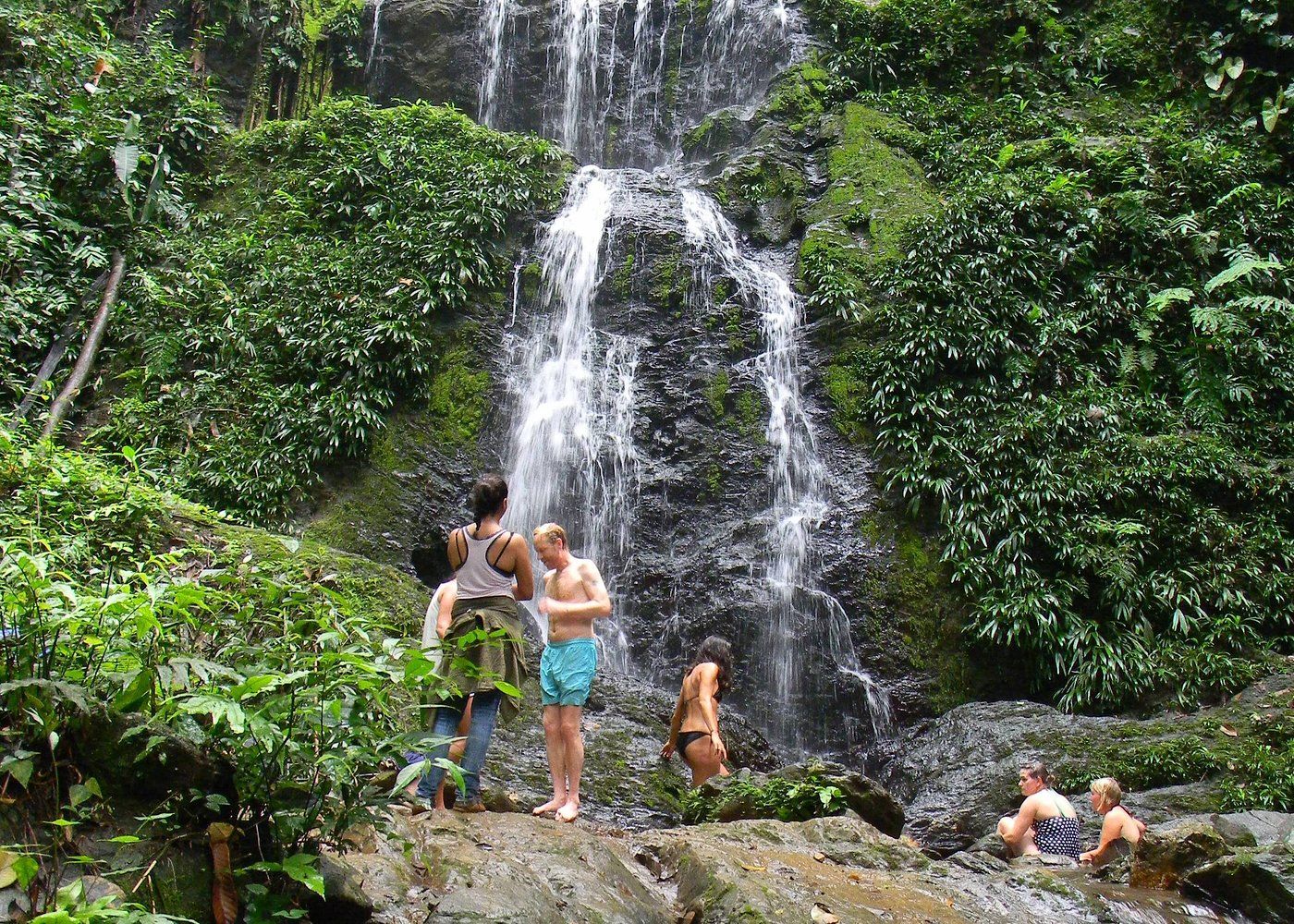
Photo: viator.com
Distance from Paramaribo: 130 km south
Drive time: 2–2.5 hours
Best time to visit: July to December (dry season)
Brownsberg sits on a laterite plateau roughly 500 metres above sea level, and on a clear day the view over the Brokopondo Reservoir is something else. The park covers about 122 square kilometres (12,000 hectares) of rainforest and was established back in 1969. It's run by Stinasu, the nature conservation foundation.
Most people come for two things: the waterfalls and the wildlife. Leo Falls empties into a swimming hole at the base, and it's the one most visitors reach. The water is clear, the rocks are smooth, and you can actually swim there. Irene Falls is smaller, but the natural pools it creates are worth the short hike out. Wildlife-wise, you might spot howler monkeys, tapirs, toucans, or parrots. Might. It's a forest, not a zoo.
How to get there
Most visitors book a tour. For a full-day hike with proper guiding, it's the smarter move for a first visit. Availability is listed on the operator websites below.
Going independently is cheaper but takes more planning. Take an Atjoni-bound bus from the Saramacastraat bus station near the central market. Ask to be dropped at the Brownsberg village turn-off (roughly 3 hours). You'll need to arrange in advance for Stinasu to pick you up from the village to the park entrance; that leg takes about 30 minutes extra.
One thing to know before you go: the road up to the park entrance requires a 4x4 vehicle. A regular sedan won't make it.
Tour operators for Brownsberg
- All Suriname Tours (allsurinametours.com): full-day trip at €95 per person, including minibus transport from Paramaribo, food and snacks, and a guide (checked September 2026)
- Impressive Suriname (impressivesuriname.com): full-day hiking tour with guide
- Bio with Wirjo (biowithwirjo.com): guided day tours with a detailed park guide on their site
- Unlock Nature (unlocknature.tours): a 3-day, 2-night package from €375 to €575 per person depending on group size, including transport, guide, basic accommodation, and all meals. Marked temporarily unavailable on their site as of September 2026, so confirm current availability before planning around it
Prices vary by operator and group size. Browse the site's own tour operator directory for more options.
Food: there's a single restaurant inside the park, run by Stinasu, serving Surinamese breakfast, lunch, and dinner. A meal runs around 275 SRD, with pork and beef options costing a bit more (checked September 2026, based on recent traveller reports rather than an official price list). If you're staying overnight in one of the Stinasu lodges, there's also a shared kitchen, though you'll need to bring your own gas cylinder, cookware, and cleaning supplies.
Local tips
- Start early. The hike to Leo Falls takes a couple of hours, and you'll want time at the swimming hole before the heat picks up.
- Bring more water than you think you need.
- The road can be rough even in a 4x4, especially during or after rain. If it's been pouring the night before, check conditions first.
- Don't count on mobile signal inside the park.
Is it worth it?
Yes, if you like hiking or wildlife. It's the kind of place where you get out what you put in. A rushed half-day visit won't do it justice. If you want to do it properly, consider staying overnight. For people who just want a quick look at the forest, Peperpot Nature Park is a much easier option much closer to the city.
Who should skip it: anyone with mobility issues (the trails are uneven and steep in places), travellers with very limited time, or people who struggle in heavy forest heat.
2. Commewijne River and plantations
Distance from Paramaribo: 15 km (across the Suriname River)
Travel time: 20–30 minutes by ferry or boat
Best time to visit: any time of year
The Commewijne district sits just across the river from Paramaribo. It was the centre of Suriname's colonial plantation economy, and a fair amount of that history is still physically there to see: abandoned sugar factories, colonial-era manor houses, the ruins of Fort Nieuw-Amsterdam, and stretches of flat polder landscape that look nothing like the rest of the country.
Most tours combine a boat ride on the Commewijne River with stops at former plantations including Frederiksdorp, Mariënburg, and Rust en Werk. The river itself is wide and calm, and if you're out on the water in the right conditions you may spot river dolphins.
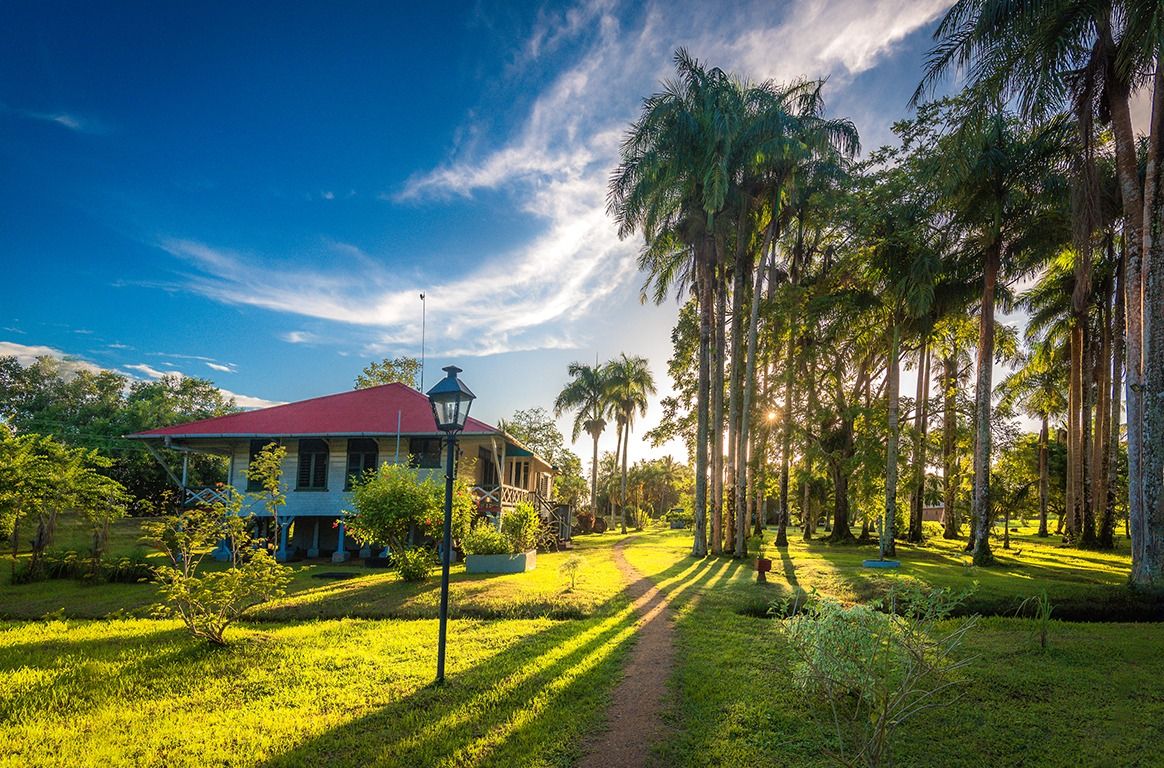
Photo: frederiksdorp.com
Frederiksdorp is the most polished stop of the three. Johan Friederich Knöffel founded it as a coffee plantation in 1747; it switched to cocoa in 1873 after coffee prices collapsed, then lost most of that business too when witches' broom disease wiped out the crop in 1905. The plantation was sold off in 1943 and sat in decline for decades. New owners began restoring it in 1976, it was designated Suriname's first heritage site and monument outside Paramaribo in 2004, and a 2016 renovation added modern cabanas, a pool, and a restaurant alongside the original 1760 director's house, which now holds the North Commewijne Story Museum. It's reachable only by boat, and most visitors treat it as a lunch or overnight stop rather than a quick drive-by.
Mariënburg tells the opposite story. Founded in 1745 as a sugar plantation, it later shifted to coffee before the Dutch trading company NHM bought the abandoned site in 1882 and opened a cane-processing factory that same year, supplied by Suriname's first railway, a 12-kilometre line built to bring in sugarcane. The factory has been derelict for decades, and its multi-story ruin, broken windows and all, is the main reason people still stop here.
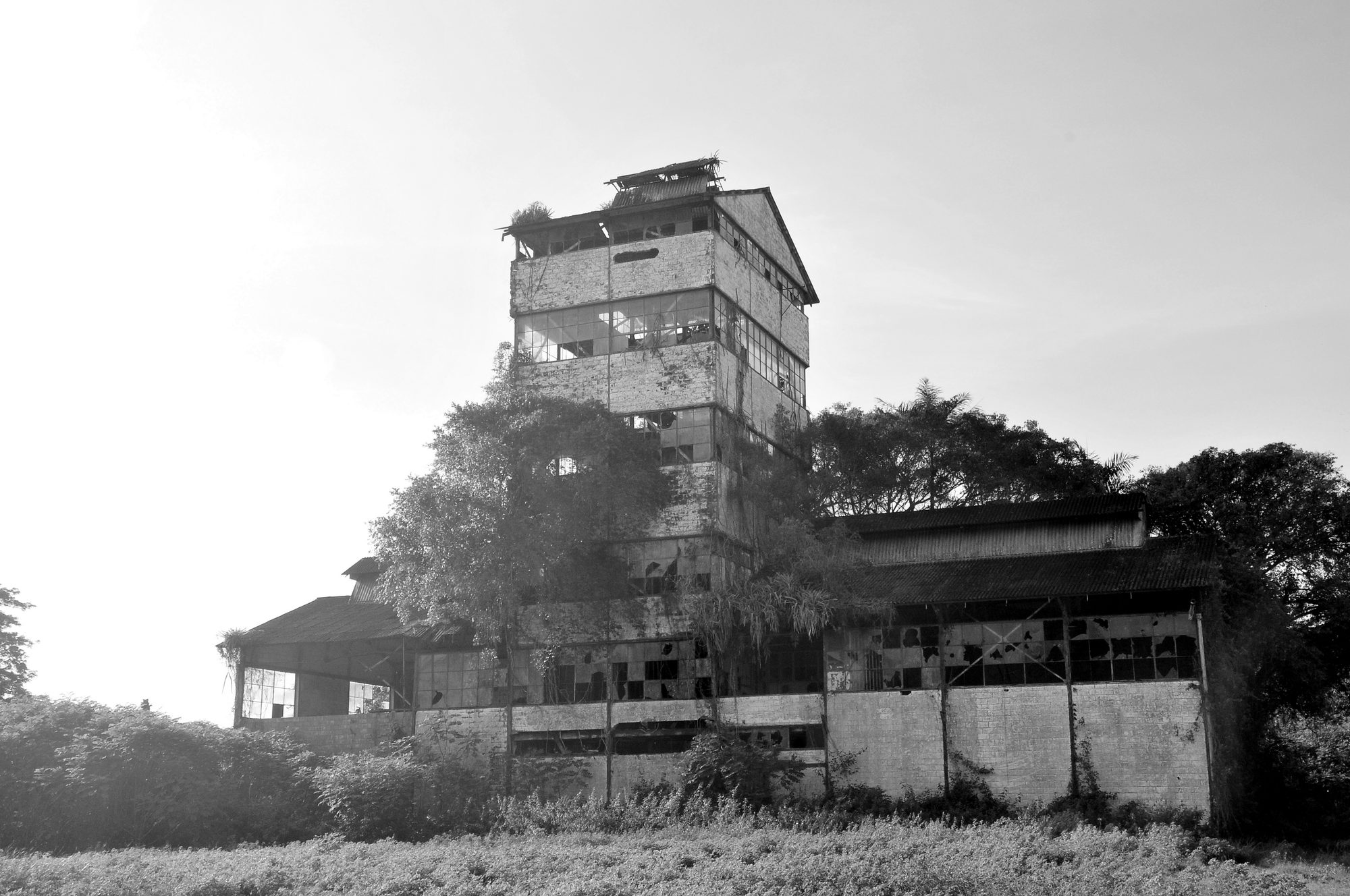
Photo: Sharmil2672 / Wikimedia Commons (CC BY-SA 4.0)
Fort Nieuw-Amsterdam is worth a stop on its own. Built in 1747 at the junction of the Suriname and Commewijne rivers, it's now a small open-air museum with cannons and colonial artefacts scattered across the grounds, enough context to make the history land properly.
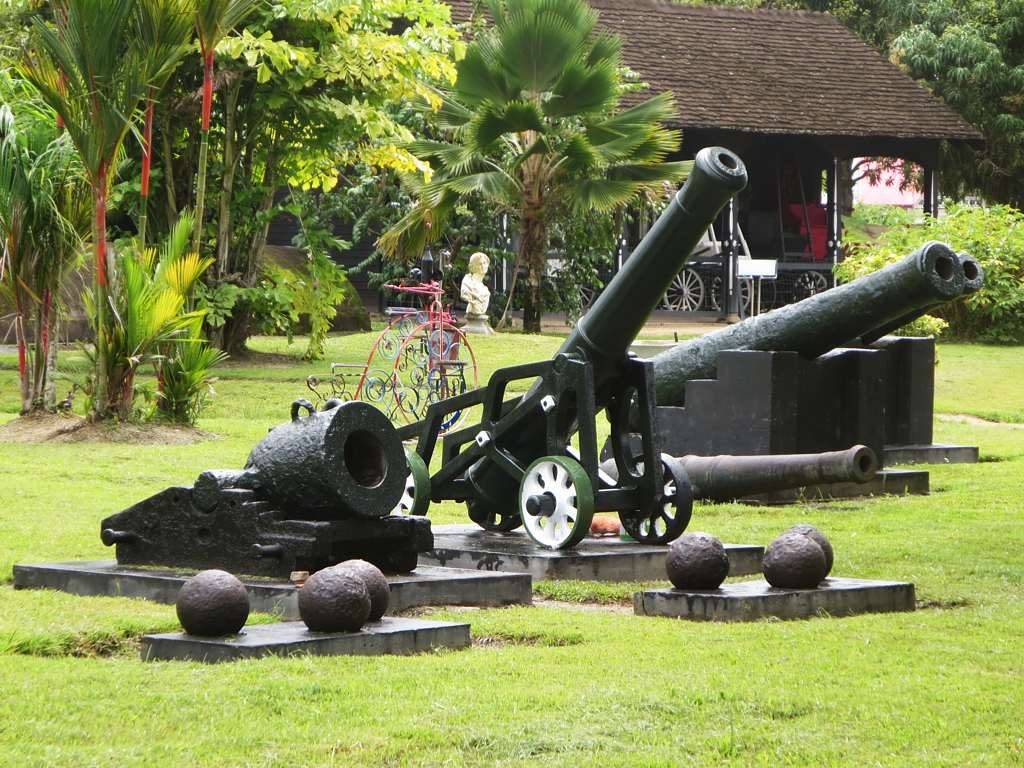
Photo: David Stanley / Wikimedia Commons (CC BY 2.0)
How to get there
The standard approach is a boat tour departing from the Leonsberg Pier in Paramaribo, usually in the morning and returning late afternoon. Check departure times with your operator of choice.
You can also cross into Commewijne on the public ferry from Paramaribo, then take a bus or hired car to visit the plantation sites. This works well if you want to rent a bicycle on the other side. Cycling through the plantation roads is something locals and expats do regularly, and the route is flat and manageable.
Driving across on the ferry and visiting at your own pace is the third option, giving you more flexibility over timing.
Tour operators for Commewijne
- Orange Suriname (orangesuriname.com): plantation and river tours with various inclusions
- Jenny Tours: well-reviewed local operator in Paramaribo; bookable via TripAdvisor
- Viator (viator.com): aggregates multiple Commewijne tour options with user reviews
Orange Suriname's own river cruise runs €74.80 per person (minimum 2 people), a 7-hour trip from 9am to 4pm covering Fort Nieuw-Amsterdam, Rust en Werk, and Frederiksdorp, with a guide, boat transfer, plantation and museum entrance fees, and snacks included. Lunch and transport to the pier cost extra (checked September 2026). Other operators run similar routes at different prices, so check the operator websites, or browse the site's own tour operator directory for more vetted options running river and plantation trips.
Local tips
- The Commewijne road is well-paved and easy to navigate by bicycle once you cross by ferry. Bike rentals are available on the other side.
- Mariënburg has the ruins of a sugar factory worth seeing if industrial history is your thing.
- Bring cash. Smaller plantation stops and local vendors don't take cards.
Is it worth it?
It's one of the most accessible day trips in Suriname and works well if you want some historical context for what you're seeing in Paramaribo. The boat tour version makes for a relaxed, unhurried day. If you're travelling with children or older family members, this is probably the most comfortable option on this list.
Who should skip it: if you've already spent several days in Paramaribo and covered the colonial history angle, Commewijne starts to feel repetitive. Prioritise Brownsberg or Jodensavanne instead.
3. Peperpot Nature Park
Distance from Paramaribo: 10 km
Travel time: 20–30 minutes by taxi
Best time to visit: early morning
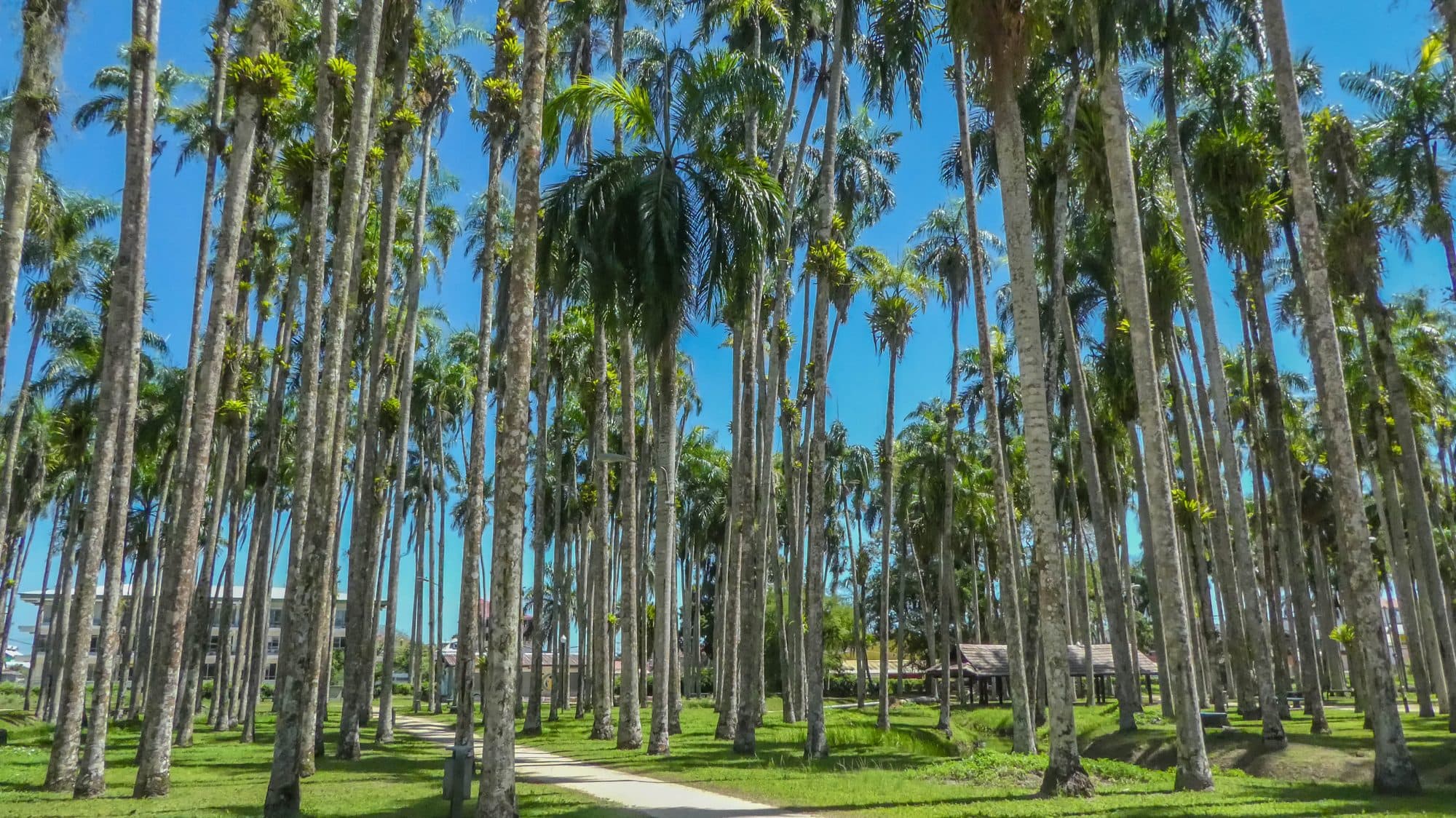
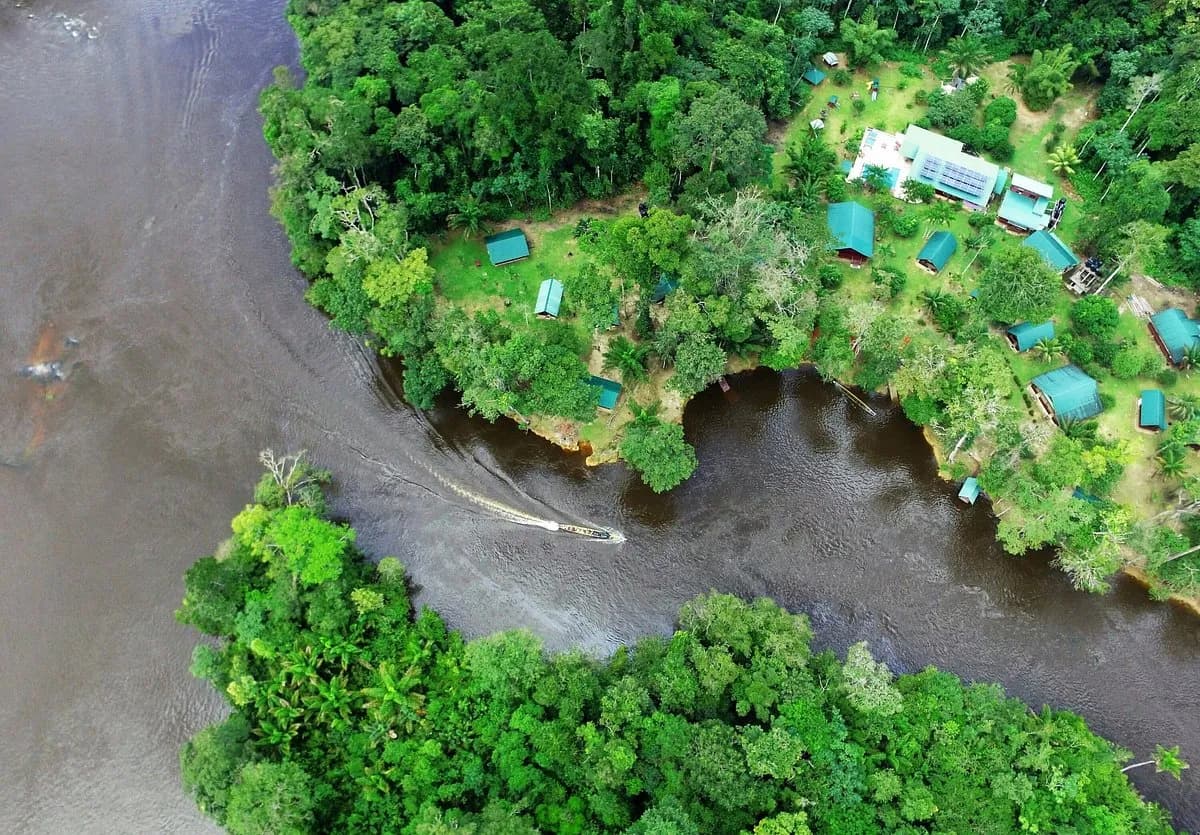
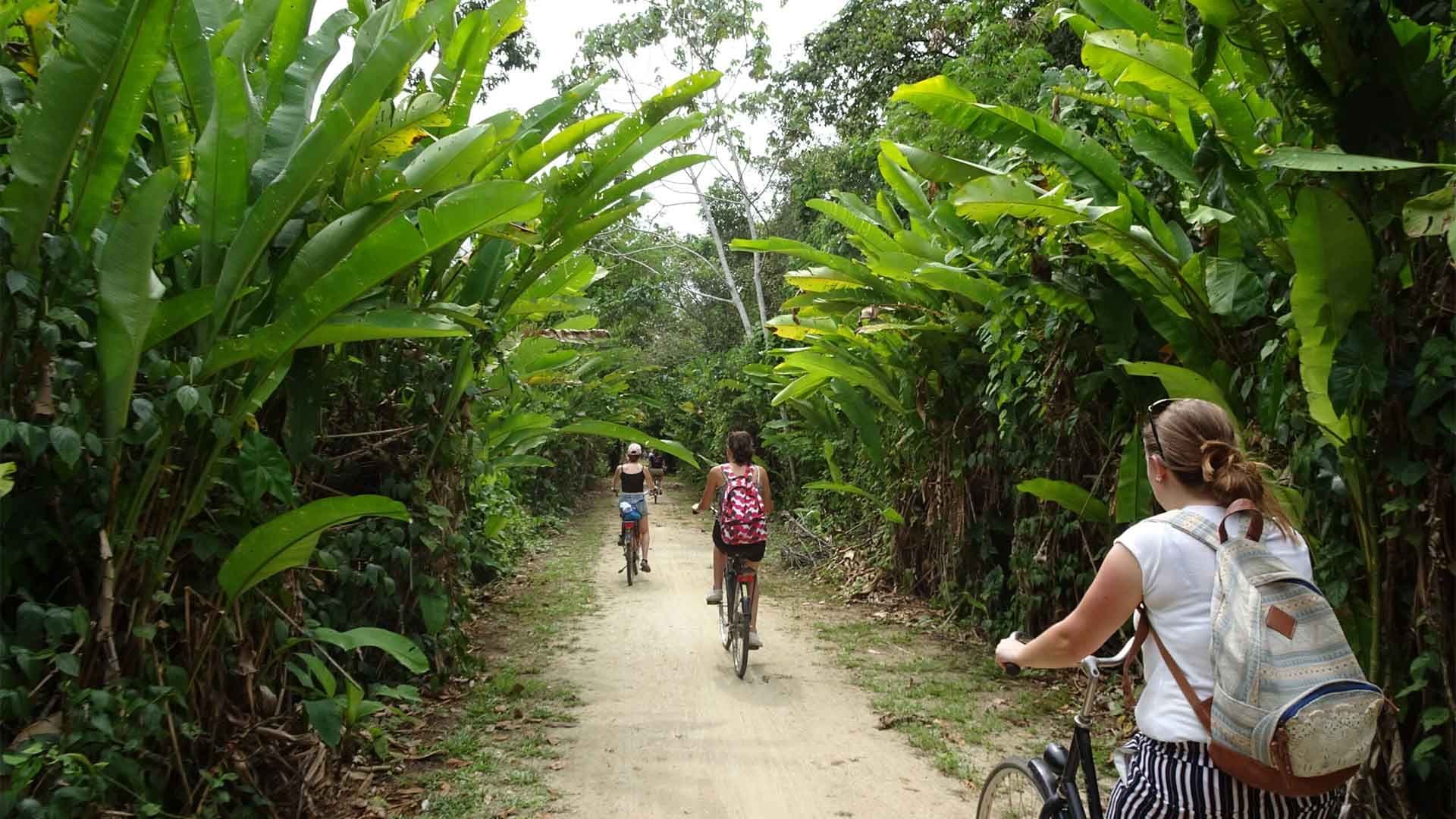
Peperpot is the most underrated easy trip from Paramaribo. It's a former plantation turned nature reserve on the edge of Commewijne, with the Mopentibo Trail running about 3.2 kilometres through secondary forest past the ruins of old plantation buildings: a coffee warehouse, a factory, former staff quarters.
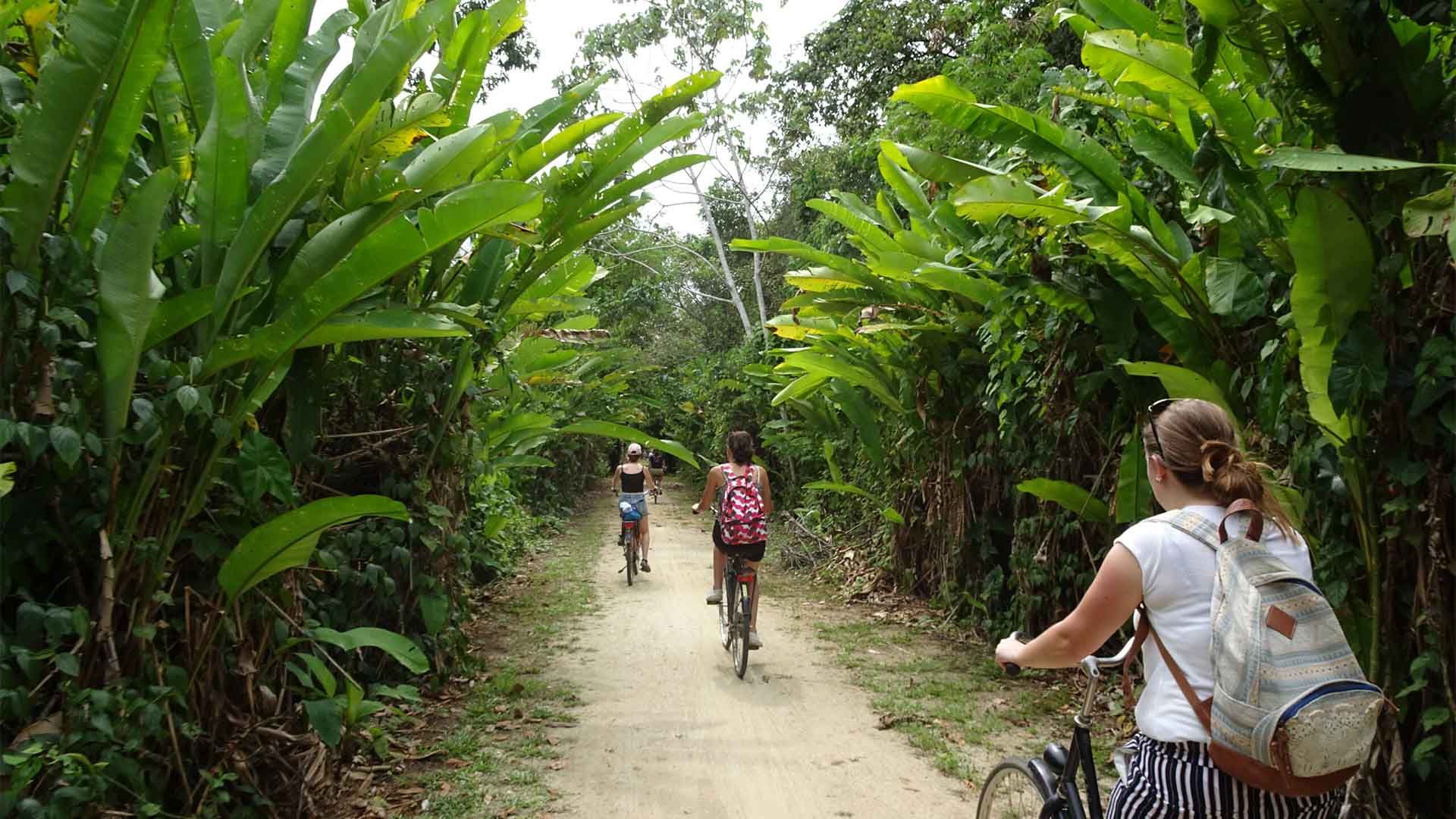
Photo: peperpotnaturepark.com
The forest has grown back around all of it, and the mix of historical ruins and wildlife in the same walk is genuinely interesting. Howler monkeys are common here. Birdwatchers rate it highly. The park sits on a migratory flyway and has recorded over 200 bird species.
How to get there
Take a taxi from Paramaribo. It's about 20–30 minutes. Some tour operators run combined Peperpot and Commewijne tours. There's no reliable public transport to the park entrance itself.
Hours: 8:00 AM to 5:00 PM daily.
The southwest entrance has an education center with a small museum, a souvenir shop, and cold drinks for sale, plus a trail map covering the Mopentibo Trail. For an actual meal, keep driving past the park entrance along the same road toward Tamansarie and you'll find Shaqien Food (Tamansarie km 15.5, phone (+597) 356-895), a local restaurant serving Surinamese-Javanese dishes: saoto soup, bami, nasi, sate, and grilled chicken, open until 10pm.
You can walk the trail independently without a guide. Entrance costs SRD 100 (checked September 2026). Bikes are available to rent at the entrance for SRD 100 plus a SRD 100 deposit, refunded when you return the bike, and you get two hours of riding time.
Local tips
- Go early. Wildlife activity drops sharply once the heat builds after 10 AM.
- Bring insect repellent. The mosquitoes near the water sections of the trail are relentless.
- The trail is marked and easy to follow on your own, but a guide makes a real difference for bird and plant identification.
- Wear proper shoes, as parts of the trail get muddy after rain.
Is it worth it?
Yes, especially if you have a morning free and don't want to commit to a full day somewhere far. It pairs well with a Commewijne visit. Cross the river, cycle to Peperpot, and have lunch before heading back to Paramaribo.
Who should skip it: if you're going to Brownsberg, the forest there is far more impressive. Pick one nature trip, not both.
4. Jodensavanne (Jewish Savannah)
Distance from Paramaribo: ~50 km upriver
Travel time: ~1.5–2 hours by speedboat
Best time to visit: any time of year
Jodensavanne is one of the stranger places you can visit in South America, in the best sense. Sephardic Jews fleeing persecution in Europe began settling in the area in the 1650s, among the earliest Jewish communities in the Western Hemisphere. The settlement whose ruins survive today, including the synagogue, was built up mainly in the 1680s. In September 2023, the Jodensavanne Archaeological Site, which includes the nearby Cassipora Creek Cemetery, was designated a UNESCO World Heritage Site.
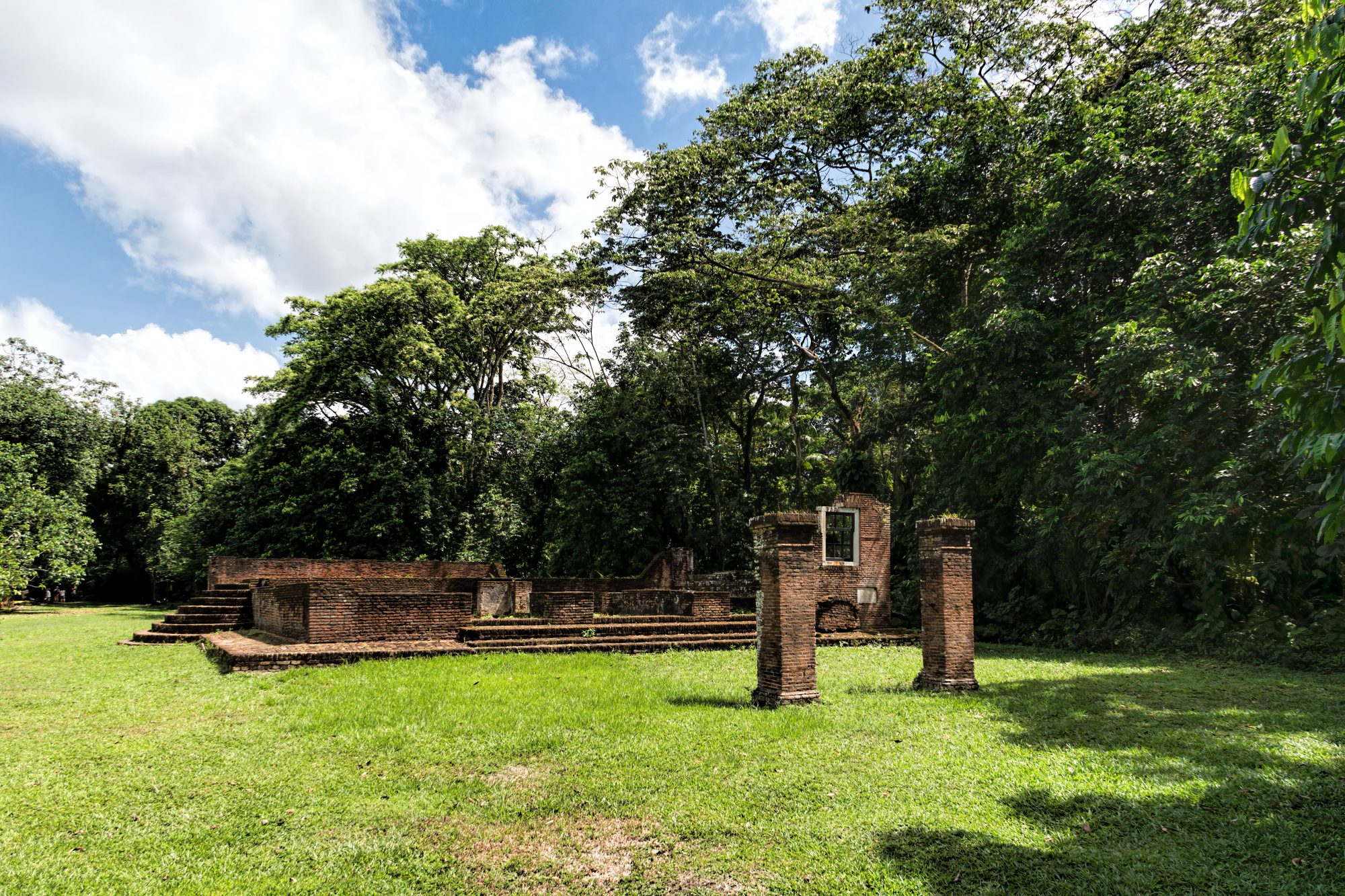
Photo: Dan Lundberg / Wikimedia Commons (CC BY-SA 2.0)
What you see on the ground: the ruins of the Beracha Ve Shalom synagogue (built around 1685), the old cemetery in the jungle, and a natural spring. The forest has grown back around everything, and the combination of the ruins and the jungle gives the place a particular atmosphere that's hard to describe and worth seeing for yourself. The Para district guide covers the wider area around it.
Tours depart from the Marine Staircase in Paramaribo by speedboat. Along the river, you stop at the former plantation Laarwijk before reaching the site. Some operators include lunch at a riverside resort on the return leg, getting back around 5:00 PM.
How to get there
You need to book a tour. There's no practical way to reach Jodensavanne independently. The river route requires a boat, and the overland route involves rough tracks that aren't reliably passable. Departures are usually between 8:00–9:00 AM from the Marine Staircase.
Tour operators for Jodensavanne
- Orange Suriname (orangesuriname.com): river cruise to Jodensavanne with lunch
- Impressive Suriname (impressivesuriname.com): cultural day tour with English-speaking guides
- All Suriname Tours (allsurinametours.com): boat trip with historical commentary
- Bio with Wirjo (biowithwirjo.com): guided Jodensavanne tours
- Peek.com: cultural tour with lunch at Overbridge River Resort
Orange Suriname's river cruise runs €125 per person (minimum 4 people), a 9-hour trip from around 8-9am to 5pm including guide, speedboat transport, entrance fees, and lunch at Overbridge River Resort (checked September 2026). Other operators price similarly for comparable inclusions. Tours can fill up. Book ahead during peak season.
Local tips
- Wear light, long-sleeved clothing if you can. The site is in the jungle and mosquitoes are part of the deal.
- Bring water and sunscreen. The boat ride has limited shade.
- Ask operators in advance whether their guide speaks English well. The history here rewards a good guide; without one, you'll miss most of it.
Is it worth it?
For history-focused travellers, yes. The UNESCO recognition is recent and the site is still relatively under-visited for what it offers. For people who aren't particularly interested in historical sites, the river journey is pleasant, but the ruins may not hold their attention for long.
Who should skip it: travellers primarily interested in wildlife and nature. Brownsberg or Galibi is a better use of your time.
5. Galibi Nature Reserve
Distance from Paramaribo: ~145 km to Albina, then a boat crossing
Travel time: about 2 hours 10 minutes by road, plus roughly an hour by boat
Best time to visit: January to August (sea turtle nesting season)
Galibi is on the coast near the border with French Guiana, inside the Marowijne district, and it's where several species of sea turtles come to nest, including leatherback, green, hawksbill, and olive ridley turtles. The nesting happens at night, and watching a full-grown leatherback come ashore is one of those things that sticks with you. The Suriname beaches guide has more on the wider turtle-nesting coastline if Galibi is only one stop on your radar.
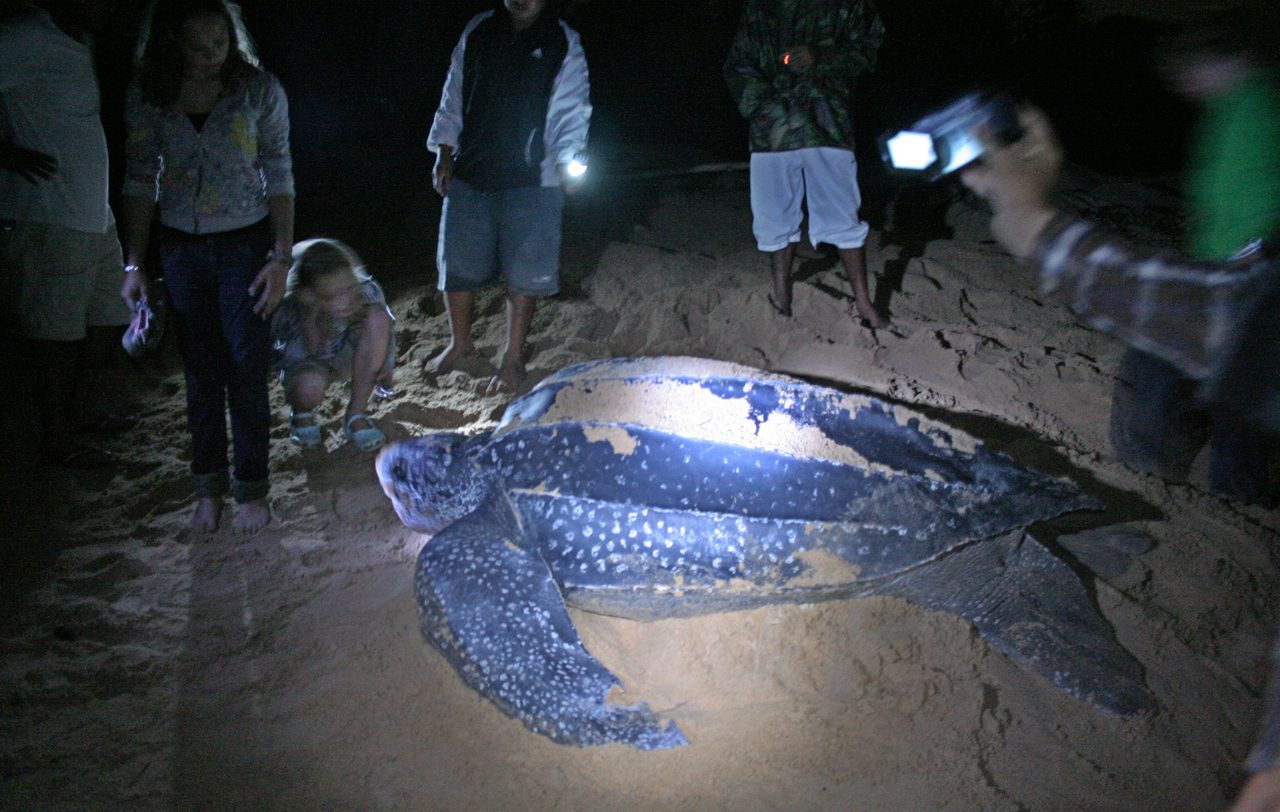
Photo: Jan Willem Broekema / Wikimedia Commons (CC BY-SA 2.0)
The logistics are the main thing. To reach Galibi, you drive about two hours east to the town of Albina, then take a boat ride to the reserve that typically runs somewhere between 30 minutes and an hour and a half, depending on conditions. That's a lot of ground to cover for a day trip, and you arrive already tired before the nighttime turtle watching (the main event) has even started. Most people who do it properly stay overnight.
If you're set on doing it in a single day, plan to leave Paramaribo by around 5:00 AM and accept that you'll get back late at night.
How to get there
Book through a tour operator. Getting there independently is possible but complicated. You'd need to arrange transport to Albina, find a boat at the other end, and navigate entry to the reserve. Operators handle all of that, and their guides know where the turtles are nesting on any given night.
Tour operators for Galibi
- Orange Suriname (orangesuriname.com): runs Galibi turtle tours (check site for seasonal availability)
- Impressive Suriname (impressivesuriname.com): guided Galibi overnight packages
- Bluebird Tours (bluebirdtourstravel.com): Galibi among other nature day trips
- Viator (viator.com): aggregated tour options with reviews
Orange Suriname prices its 2-3 day overnight packages from €215 per person at Myrysji Lodge (minimum 2 people) or €225 per person at Urusji Lodge in Christiaankondre (minimum 4 people), both checked September 2026. Overnight packages tend to sell out during peak nesting season. Check and book ahead. Most overnight packages, including stays at Urusji Lodge, bundle meals into the price: a welcome lunch on arrival, dinner, and breakfast before the boat back to Albina, so you don't need to plan food separately.
Local tips
- Go during nesting season (January–August) or don't go. Outside that window, there's much less to see.
- Leatherbacks nest mainly April to July. Green turtles peak a bit later.
- The beaches are exposed and hot during the day. The interesting part happens at night.
- Bring a red-light torch instead of a white flashlight, since red light doesn't disturb the turtles.
Is it worth it?
Yes, if you're here during nesting season and willing to either stay overnight or do a very long day. As a casual add-on, it's probably too far and too logistically demanding. As a dedicated trip, it's one of the more memorable things you can do in Suriname.
Who should skip it: anyone visiting outside of nesting season, or anyone with limited time who hasn't covered the closer options first.
What tourists often get wrong
Underestimating distances Suriname looks small on a map but road conditions outside the city can mean slower driving than you'd expect. A 130 km drive to Brownsberg takes closer to 2.5 hours, not 90 minutes.
Going in rainy season without a plan Suriname has two rainy seasons (roughly December–February and May–July). Brownsberg trails get very muddy, some smaller roads flood, and certain areas become inaccessible. It's not a reason to cancel a trip, but it's worth checking conditions before you go.
Booking nothing in advance
For Galibi especially, and for Jodensavanne, tours fill up. If you're visiting during peak season or want a specific date, book before you arrive in Paramaribo.
Missing the early morning window Wildlife across every destination on this list is most active in the early morning. Arriving at Peperpot at 11 AM or Brownsberg at noon means you'll see far less than someone who showed up at 7.
Every price above was checked in September 2026, mostly quoted directly from a single representative operator's own site rather than averaged across all of them. Tour prices, meal prices, and entrance fees change and vary by operator, so confirm current rates directly before you book.
How to choose the right trip
If you have half a day: Peperpot Nature Park. Easy to reach, low commitment, worth more time than its size suggests.
If you have a full day and want nature: Brownsberg Nature Park. Take the early bus or book a tour and don't rush it.
If you have a full day and prefer history: Jodensavanne by river. It's a long day but the site and the journey are both worth the effort.
If you have a full day and want something relaxed: Commewijne plantations by boat. Slow pace, scenic river, historical stops.
If you have two days and sea turtles are nesting: Galibi. Go overnight. It's worth it.
Frequently asked questions
Do I need a guide for day trips in Suriname?
Not for every trip. Peperpot and Commewijne are manageable independently. For Brownsberg, a guide helps significantly with wildlife spotting and trail navigation. For Jodensavanne and Galibi, booking through a tour operator is effectively required.
What's the best time of year for day trips in Suriname?
The dry seasons (roughly February to April and August to November) give you the best conditions for most trips. The exception is Galibi, where you specifically want nesting season (January–August), which overlaps with one of the wetter periods.
Can I do Brownsberg as a day trip?
Technically yes, but it makes for a long and rushed day. An overnight stay at the Stinasu facilities in the park is far better if you have the option.
Is it safe to travel outside Paramaribo?
The main day trip destinations covered here are all regularly visited and considered safe. Standard precautions apply: don't carry valuables you don't need, be aware of road conditions, and for remote areas like Galibi, go with an organised tour.
Do I need to book in advance?
For Galibi and Jodensavanne tours, yes, especially during peak travel periods. For Brownsberg and Commewijne, you can often arrange something on short notice, but don't count on it during busy periods.