IMAGE SOURCE: frederiksdorp.com
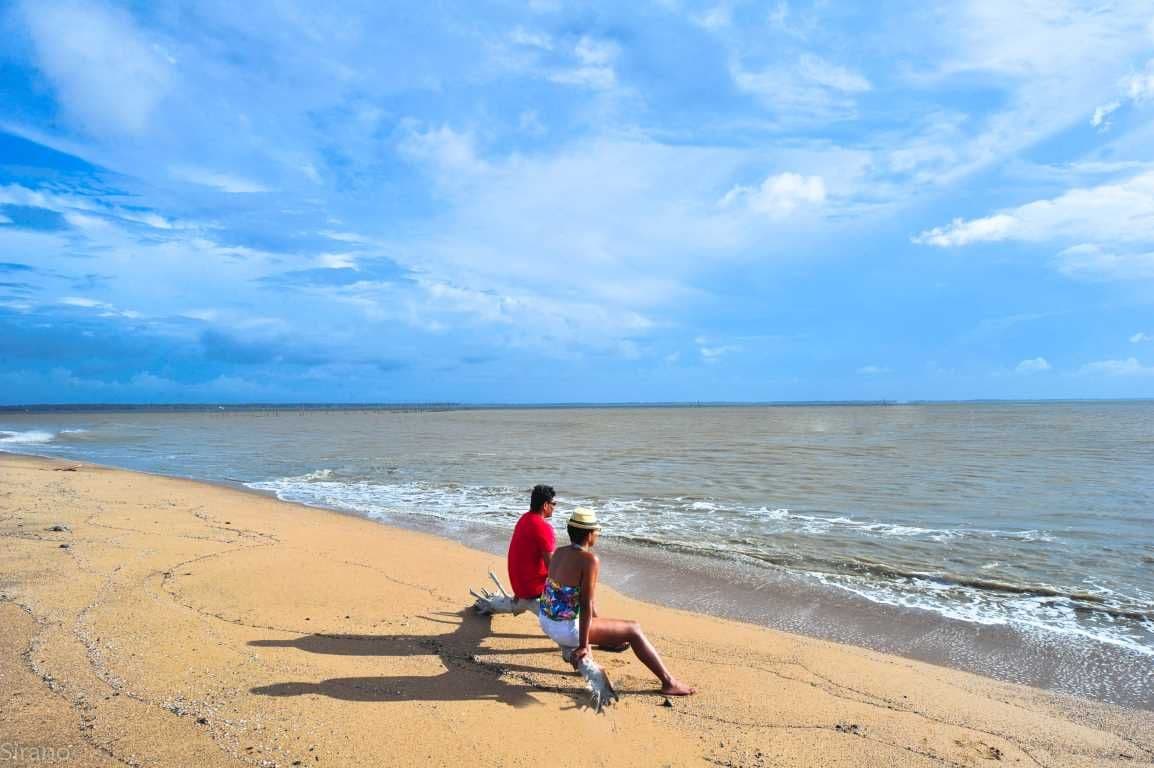
Suriname's Atlantic coastline runs about 386 kilometers, but almost none of it looks like a Caribbean postcard. Tides, river mouths, and mangrove forests shape the sand here more than any resort ever could, and the payoff for that difference is one of the more reliable sea turtle nesting stretches in the Caribbean basin.
Paramaribo itself has no beach. Reaching one means a boat down the Suriname River or a drive south into Para district. Four beaches cover almost every trip: Braamspunt, Matapica, Galibi, and White Beach, and each one asks for a different kind of planning.
- Braamspunt: easiest turtle tour from the city; evening boat from Leonsberg; late January to July, June is peak
- Matapica: overnight turtle camp; bus to Mariënburg, then boat through mangrove channels; roughly February to August
- Galibi: turtles and Indigenous culture; boat from Albina, about 90 minutes; January to August
- White Beach: day trip and swimming, no season to plan around; 30-minute drive via Paranam
Main Beaches in Suriname
Braamspunt
https://www.facebook.com/surinamcard
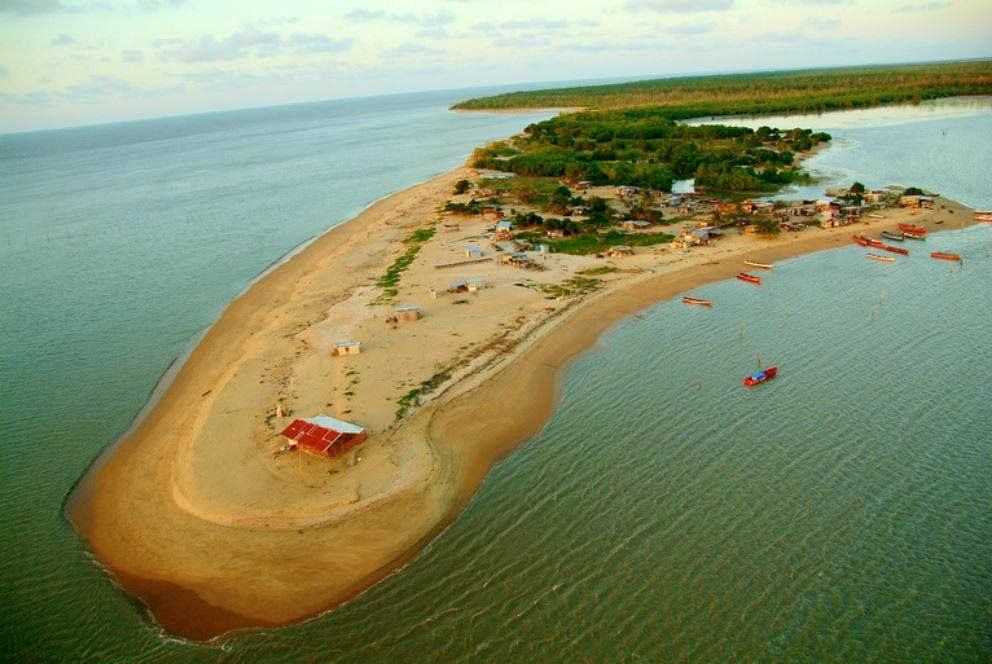
Braamspunt sits where the Suriname River meets the Atlantic, and the trip there is part of the appeal. Impressive Suriname Travel, All Suriname Tours, and Tourbox Suriname all run evening boats from the Leonsberg terminal.
Departure: around 5pm. Ride time: about ninety minutes, past Fort Nieuw Amsterdam and the point where the Suriname and Commewijne rivers meet, the same stretch covered in the Commewijne guide.
Coastal birds and mangrove forest line the route the whole way, and dolphins or squirrel monkeys turn up often enough that guides mention them as a possibility, not a promise.
The turtles are the reason to go. Season: late January through July. June is the month operators point to first, when two of the four nesting species come ashore together and hatchlings are sometimes visible making their way to the water.
A full outing, boat included, runs five to six hours.
Braamspunt's erosion problem is real and worth knowing before you book. The beach has been losing ground to the sea for years, which is part of why conservation groups treat every nesting season as its own record rather than assuming next year looks the same.
Matapica Beach
https://www.facebook.com/SurinameTourismFoundation
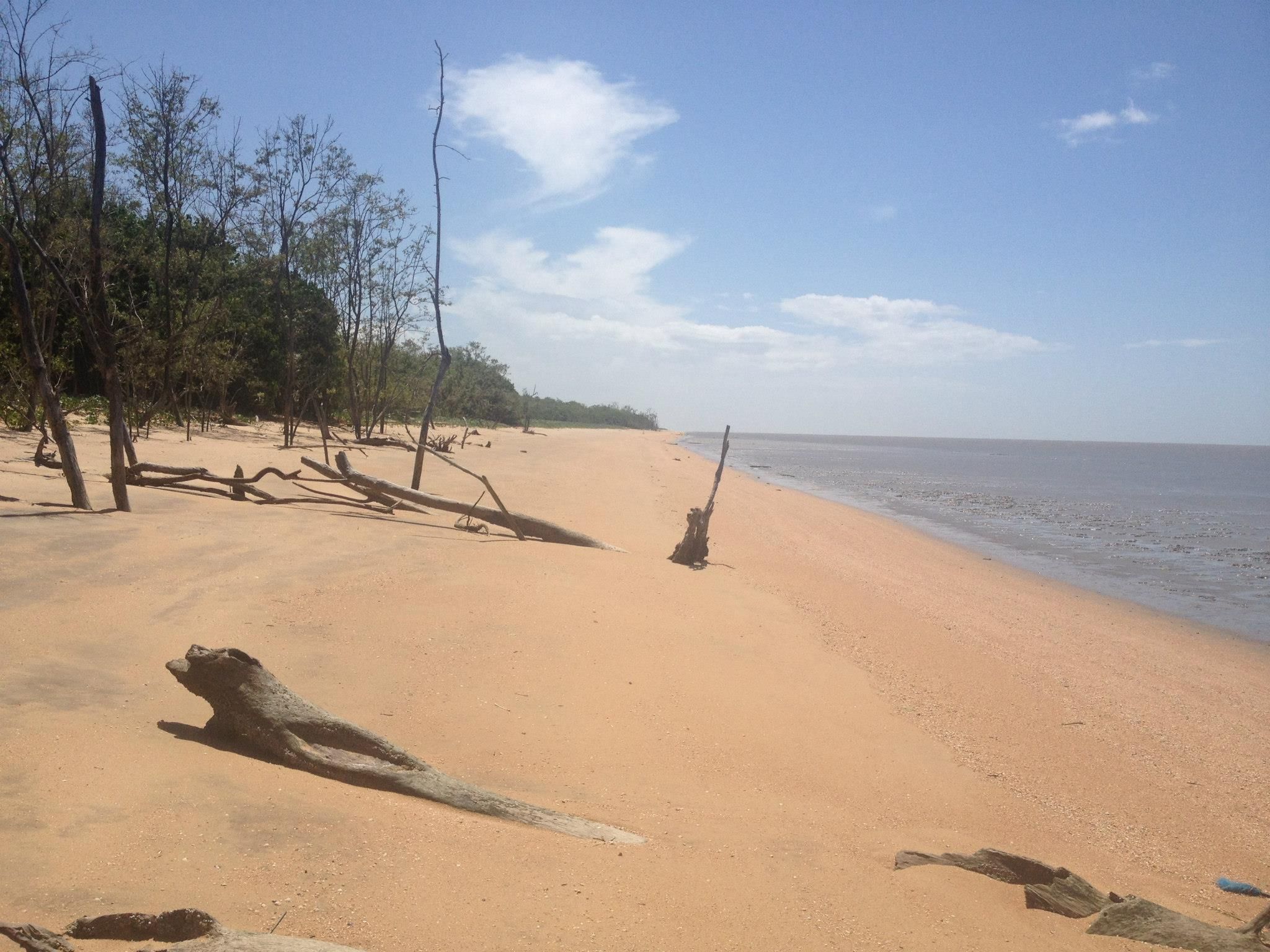
Matapica takes more effort to reach than Braamspunt, which is exactly why it feels less crowded.
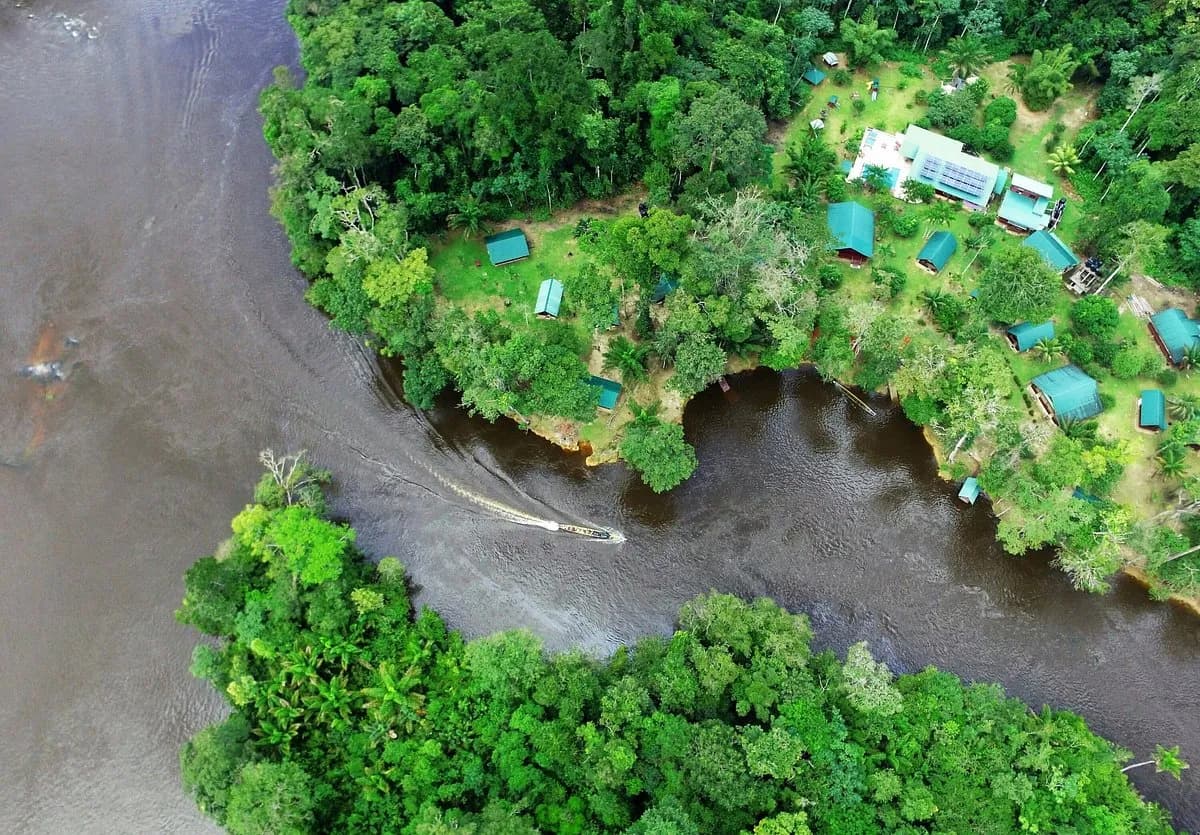
Route: road from Paramaribo to Mariënburg, then boat to the Johanna Margaretha plantation, then a 45-minute crossing through mangrove channels in a smaller boat.
Several Paramaribo tour operators run it as an overnight trip: lunch at Johanna Margaretha, the boat crossing, a night in a hammock camp on the beach, and an evening walk to watch turtles come ashore.
Price: around €125 per person for the full package (checked September 2026).
Sea turtles nest here roughly from February through August. The reserve is co-managed by STINASU, Suriname's national nature conservation foundation, alongside Galibi.
The mangrove wetlands around the beach also support herons, ibises, and other coastal birds worth watching for during the boat crossing itself, not only after dark.
Galibi Beach
https://www.impressivesuriname.com/
https://www.tripadvisor.nl
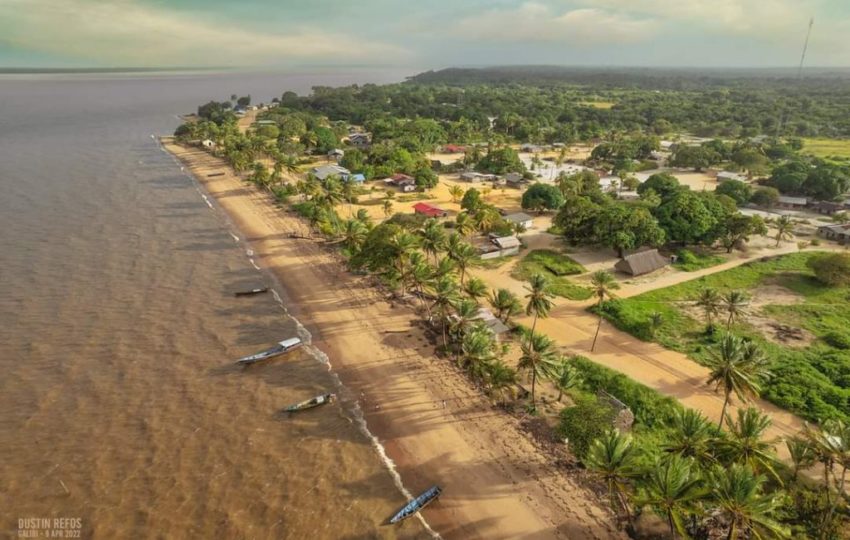
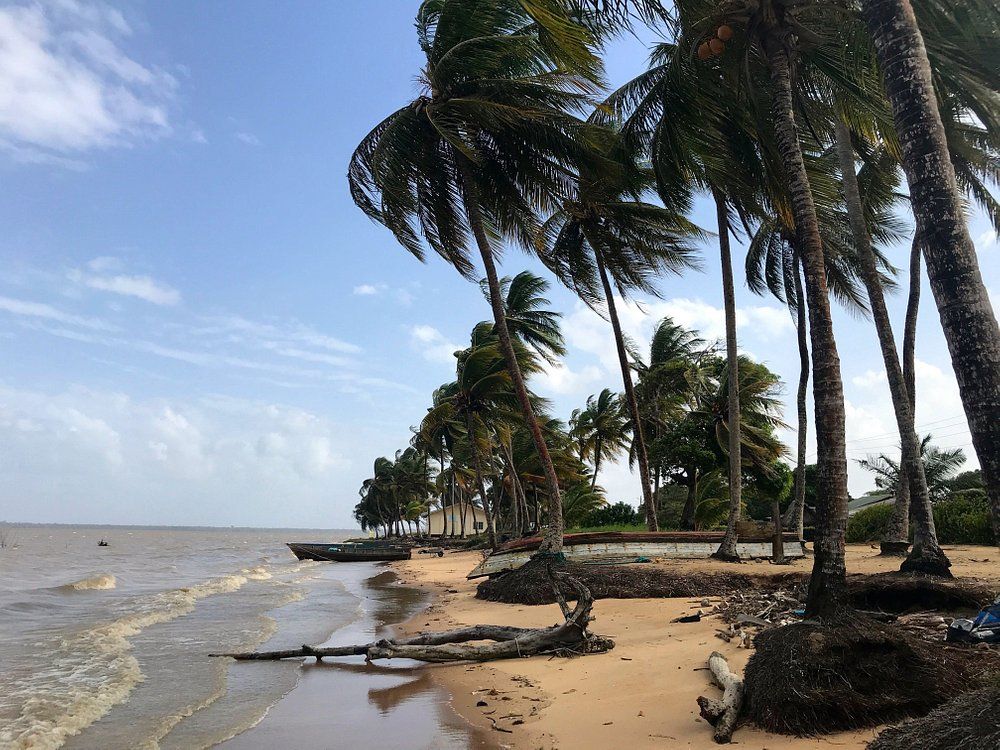
Galibi sits at the mouth of the Marowijne River, on the border with French Guiana, inside the Galibi Nature Reserve that STINASU has co-managed since 1969.
Getting there: a drive to Albina, then a river crossing of about ninety minutes. Boat fare: $15 to $30, depending on group size. Reserve entrance fee: roughly SRD 25 to 50 (checked September 2026).
Most overnight stays are in Christiaankondre and Langamankondre, the joined Indigenous villages covered in more detail in the Marowijne guide. Together they form one of the largest Indigenous settlements in the Caribbean.
Orange Travel runs overnight trips to Urusji Lodge, a family-run lodge in Christiaankondre.
From there, night boat trips run to the nesting beach between January and August, when green, olive ridley, hawksbill, and leatherback turtles come ashore. Galibi holds one of the largest leatherback nesting colonies anywhere in the world, which is the main reason serious turtle-watchers rank it above Braamspunt or Matapica despite the longer trip.
White Beach
https://www.facebook.com/surinamcard
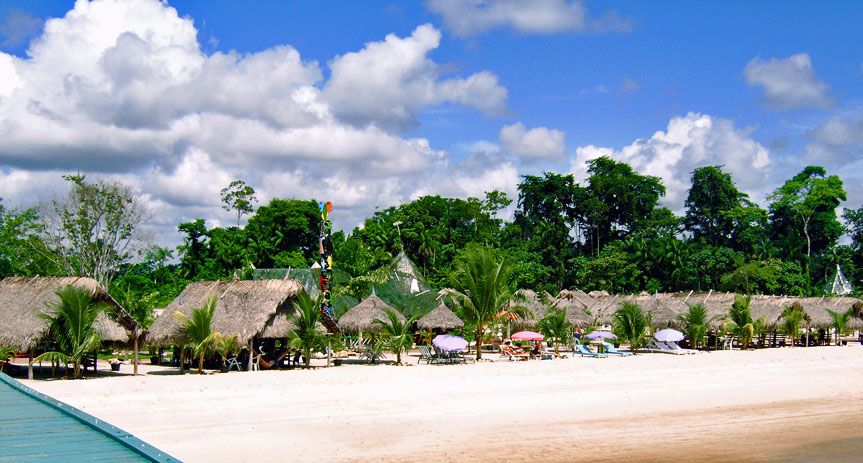
White Beach breaks the pattern of the other three: it isn't a wildlife destination, and it isn't entirely natural. The beach was artificially built up on the bank of the Suriname River in the Para district.
Distance: about 30 kilometers. Drive time: 40 minutes south of Paramaribo via Paranam.
That distance is what makes it the easy option. There's no boat, no guide required, and no season to plan around.
On site: a metal mesh in the river to keep out predatory fish, canoes and pedal boats for rent, and a restaurant nearby. Worth bringing your own food and drinks if you're staying for a full day.
Weekends bring the biggest crowds, since it's the closest thing Paramaribo has to a beach day within easy reach of the city.
Wildlife and Turtle Nesting
https://suriname-tour.com/braamspunt-nachttour/
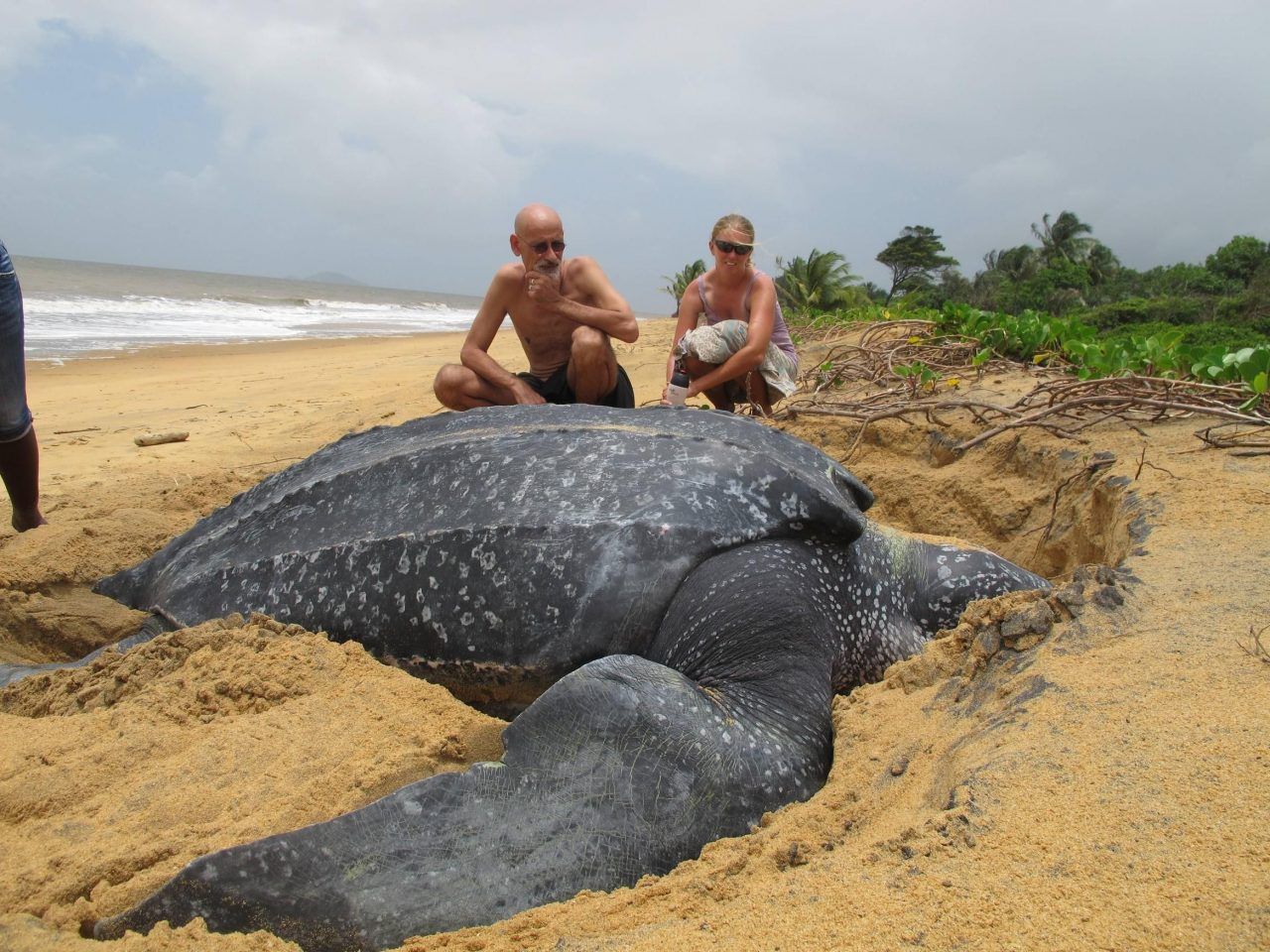
Braamspunt sea turtle night tour
Sea turtles are the reason most of these beaches are protected at all.
Four species nest here: leatherbacks, green turtles, hawksbills, and olive ridleys. Each one travels thousands of kilometers across the Atlantic to lay eggs on the beach where it hatched.
Braamspunt, Matapica, and Galibi each host part of that nesting activity between January and August, though the peak shifts by a few weeks at each beach, which is why the season ranges above are given per beach rather than as one blanket date.
None of this happens by accident. STINASU co-manages both Matapica and Galibi specifically to protect these nesting grounds, and the erosion affecting Braamspunt is a reminder that none of it is guaranteed to look the same in ten years.
Timing Matters More Than the Beach You Pick
Suriname's beaches don't work like a resort strip where any day is a good day. Braamspunt and Matapica are only worth the trip in turtle season, Galibi adds a river crossing and an entrance fee on top of that, and White Beach is the one exception that's ready whenever you are, with no boat, no guide, and no calendar to check.
Book the boat and the operator before the flight, not after. Braamspunt and Galibi tours: a day or two of notice. Matapica's overnight format: fills up fastest around the June peak.
Every price above was checked in September 2026. Tour costs, boat fares, and entrance fees change often, so confirm current rates directly with the operator or reserve before you book.
The money guide covers what a tour like this runs against a typical Suriname travel budget.