Explore Suriname, one of the world’s greenest nations. From the UNESCO wooden city of Paramaribo to deep jungle expeditions, this travel guide helps you plan an authentic adventure into the heart of the Amazon rainforest.
Discover the rich tapestry of Suriname's past and present. From plantation history to the fusion of global flavors, our local tours and culinary experiences bring the heart of the country to life.


See All Interests
See All Interests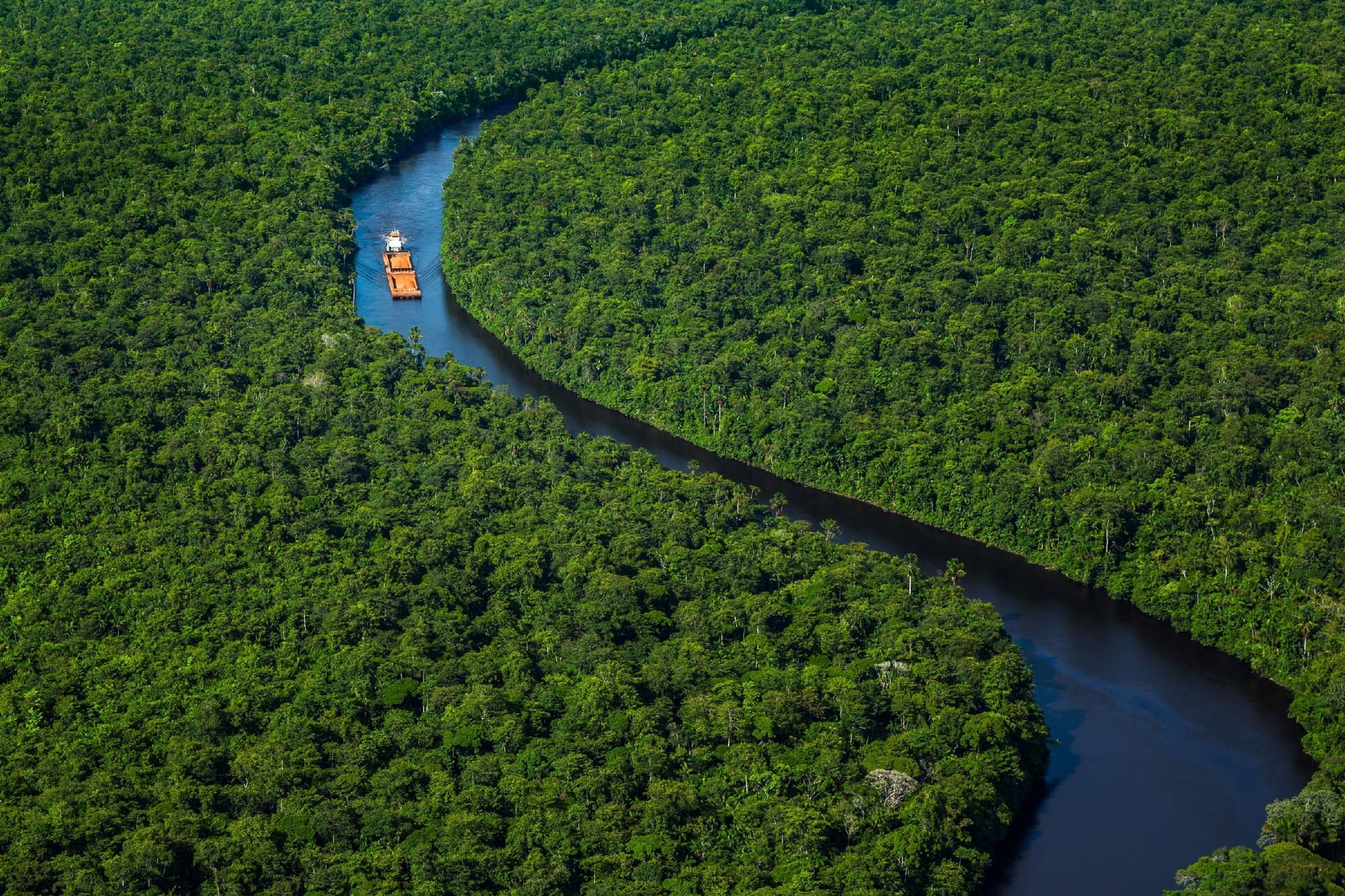
Suriname is one of the most forest-covered countries in the world, where rivers replace roads and cultures from across the globe live side by side.
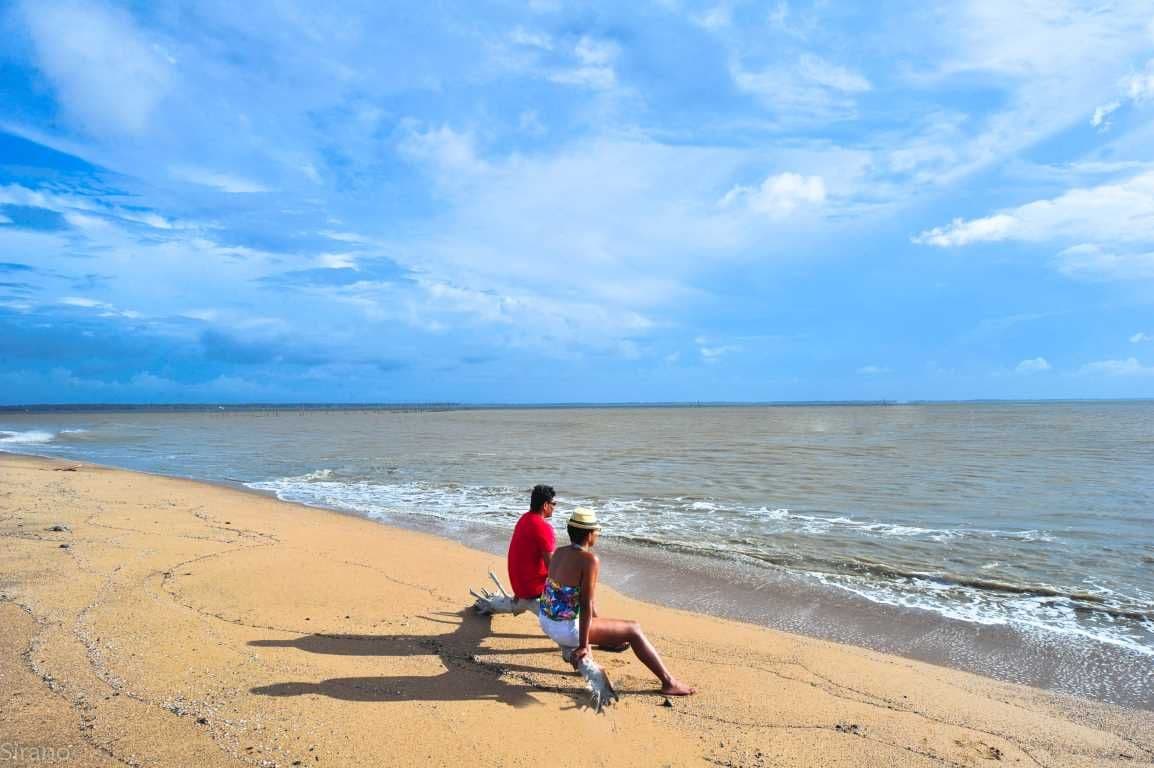
Suriname sits on the northern coast of South America. Most of the country is covered by the Amazon rainforest. You will not find mass tourism here. Instead, you find thick jungles, wild rivers, and a culture that mixes Dutch history with local traditions.
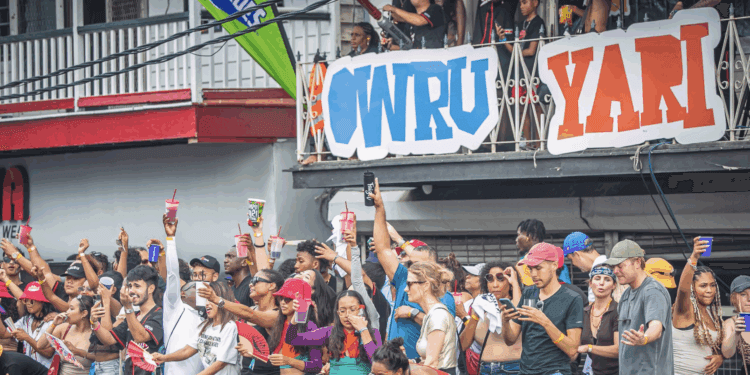
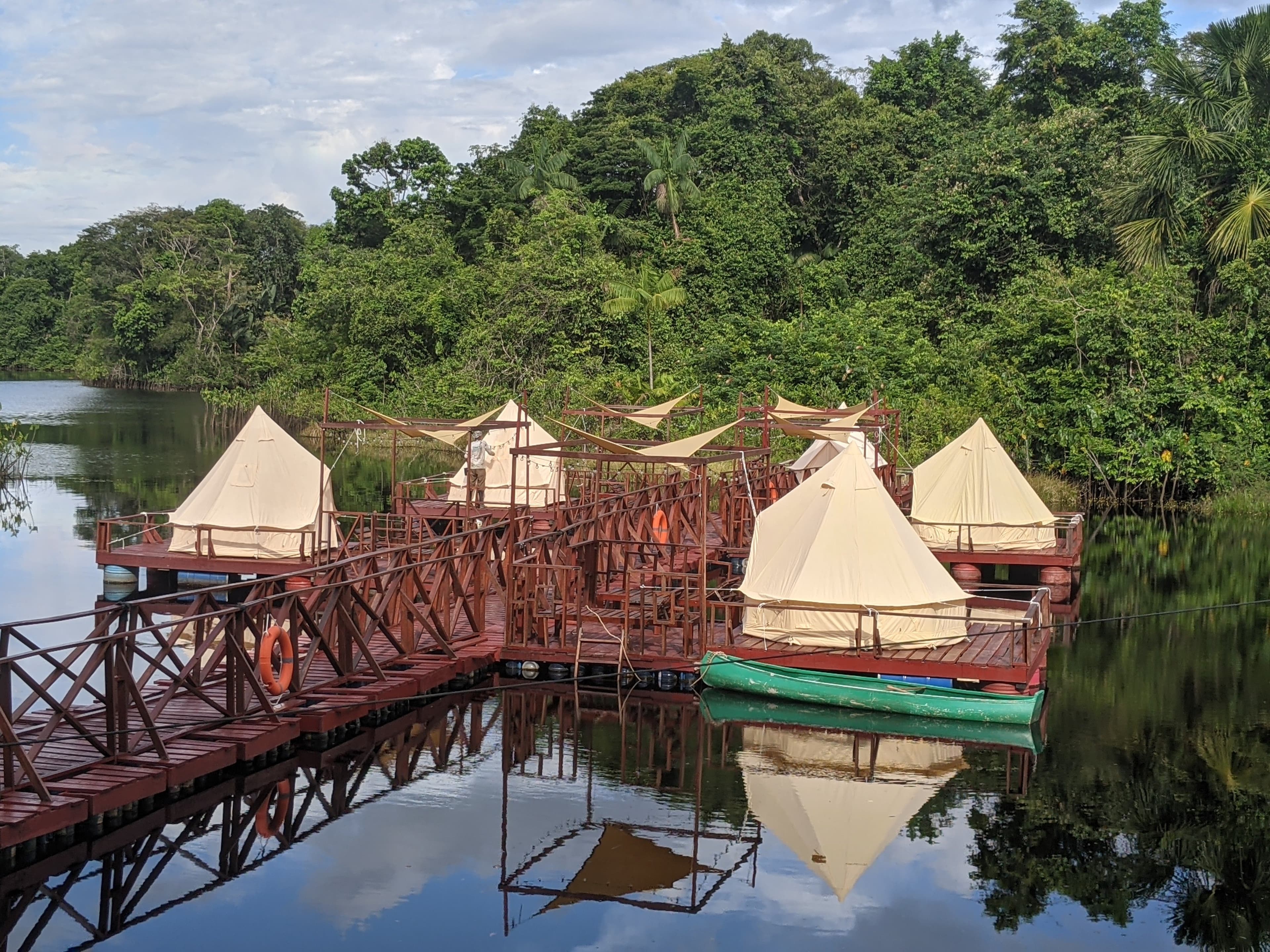
Our people come from all over the world. You can eat Javanese food for lunch and see Maroon woodcarving in the afternoon. If you want real adventure, you can take a boat deep into the jungle and sleep in a local village.
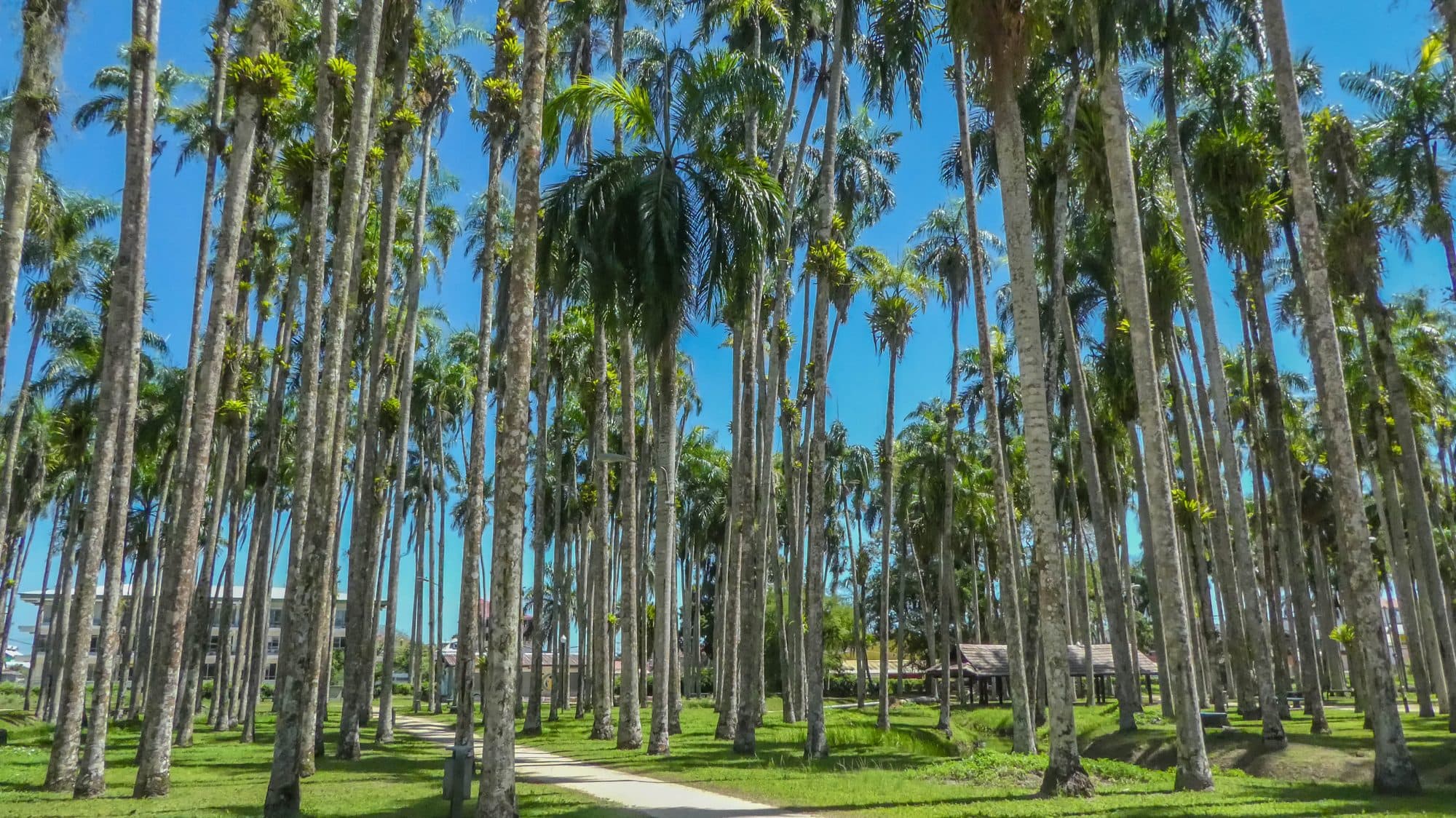
The country is 93% forest. You can explore giant nature reserves and look for jaguars, monkeys, and rare birds in their natural home.
Our food shows our history. You can eat Javanese saoto soup, Hindustani roti, and Creole pom all on the same street.
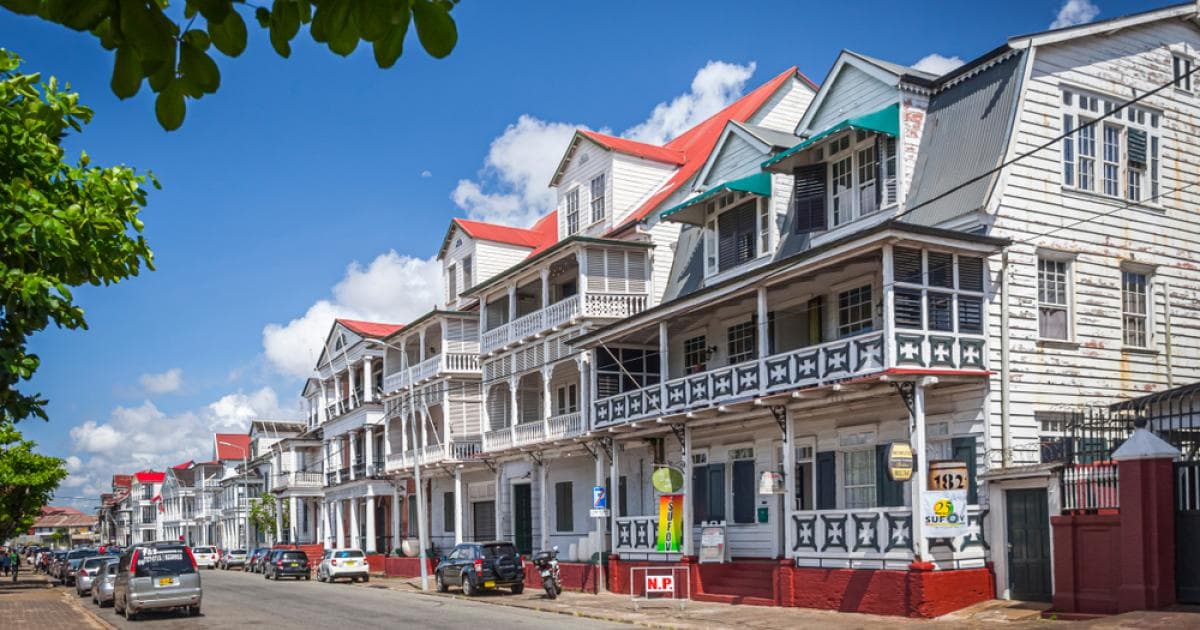
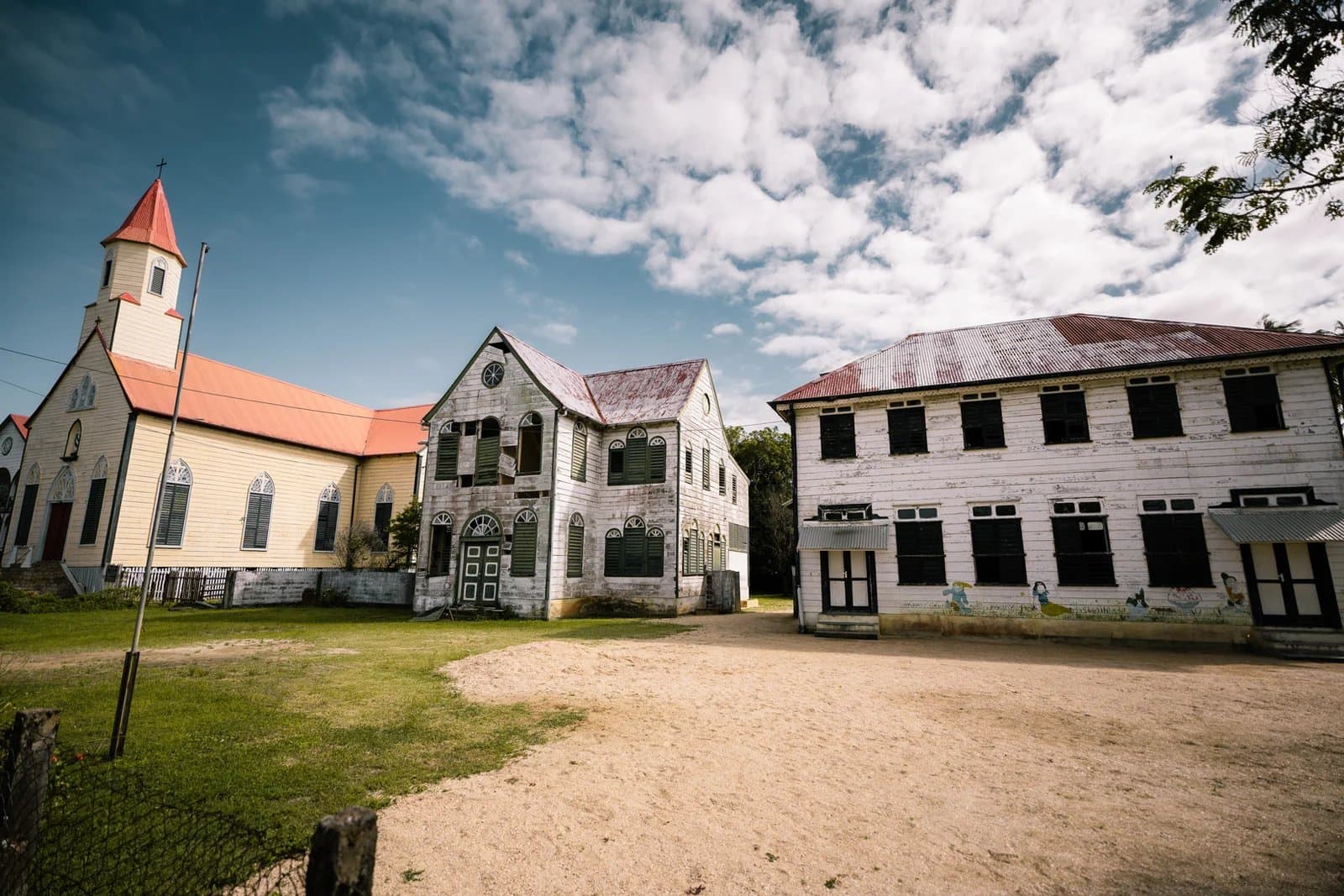
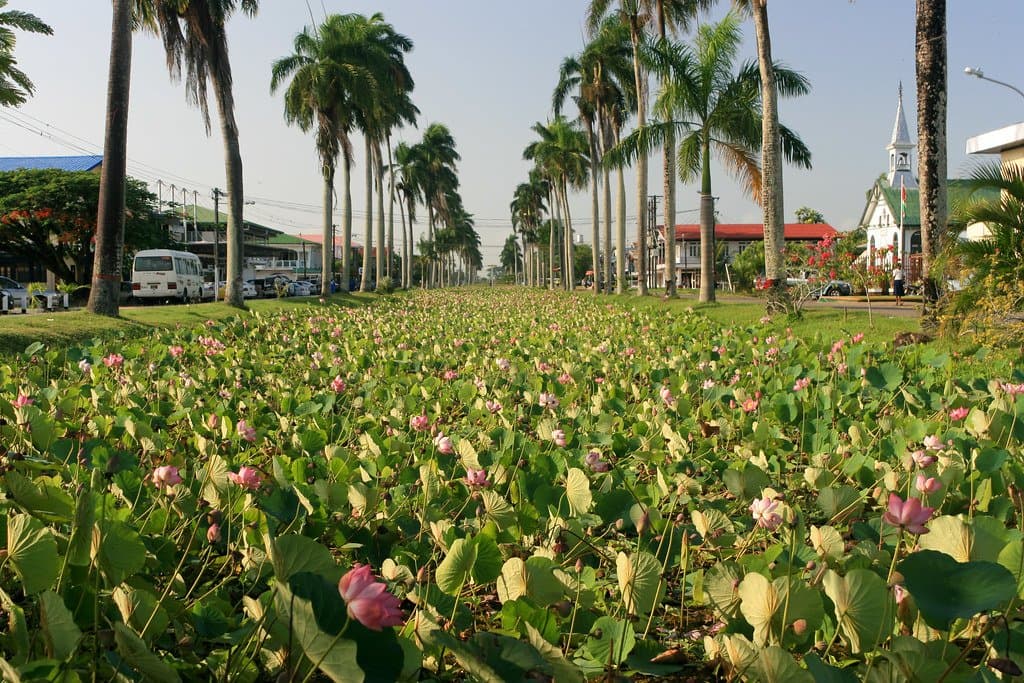
Paramaribo is the capital city. The inner city is a UNESCO World Heritage site because of its old wooden buildings. A mosque and a synagogue stand right next to each other.
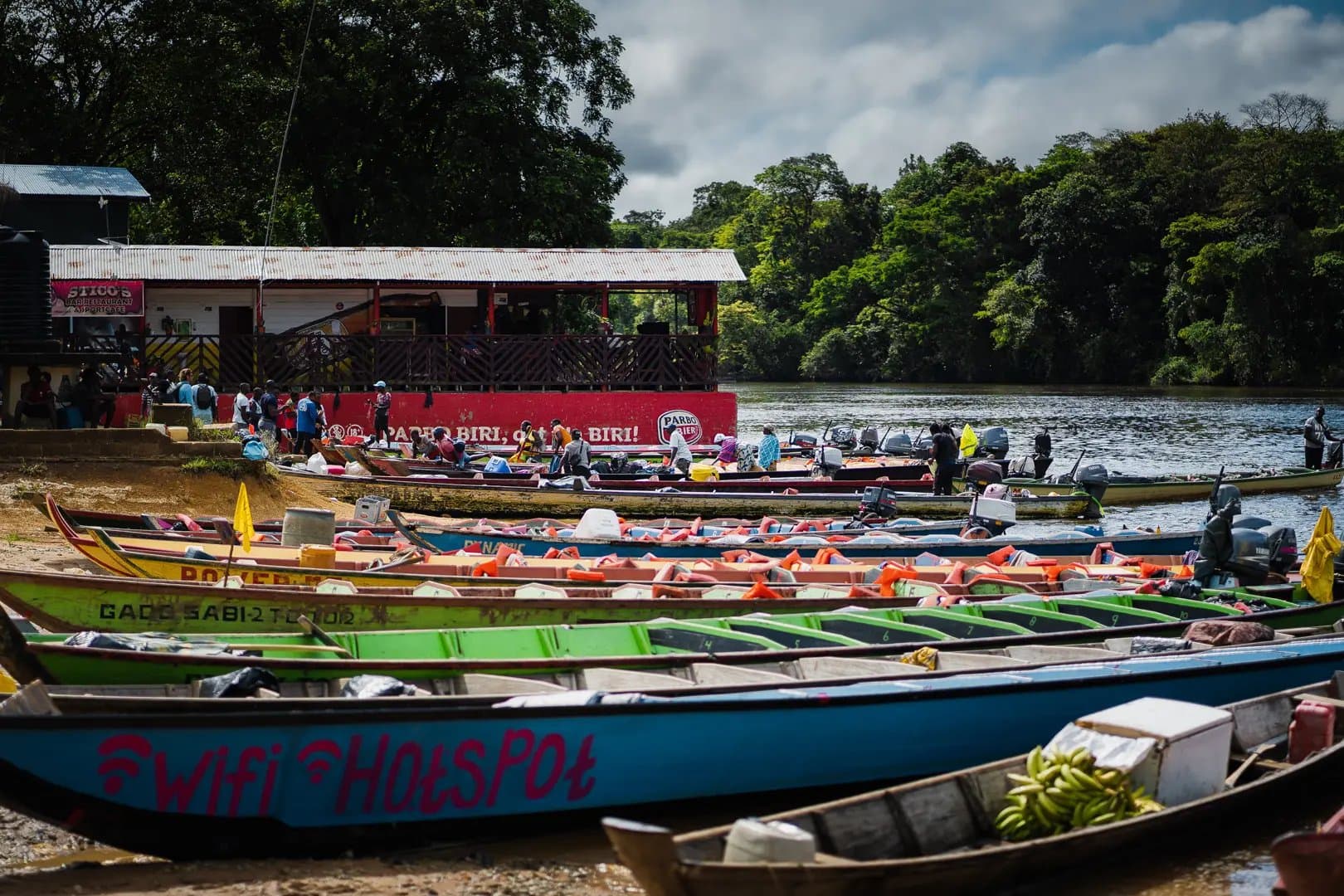
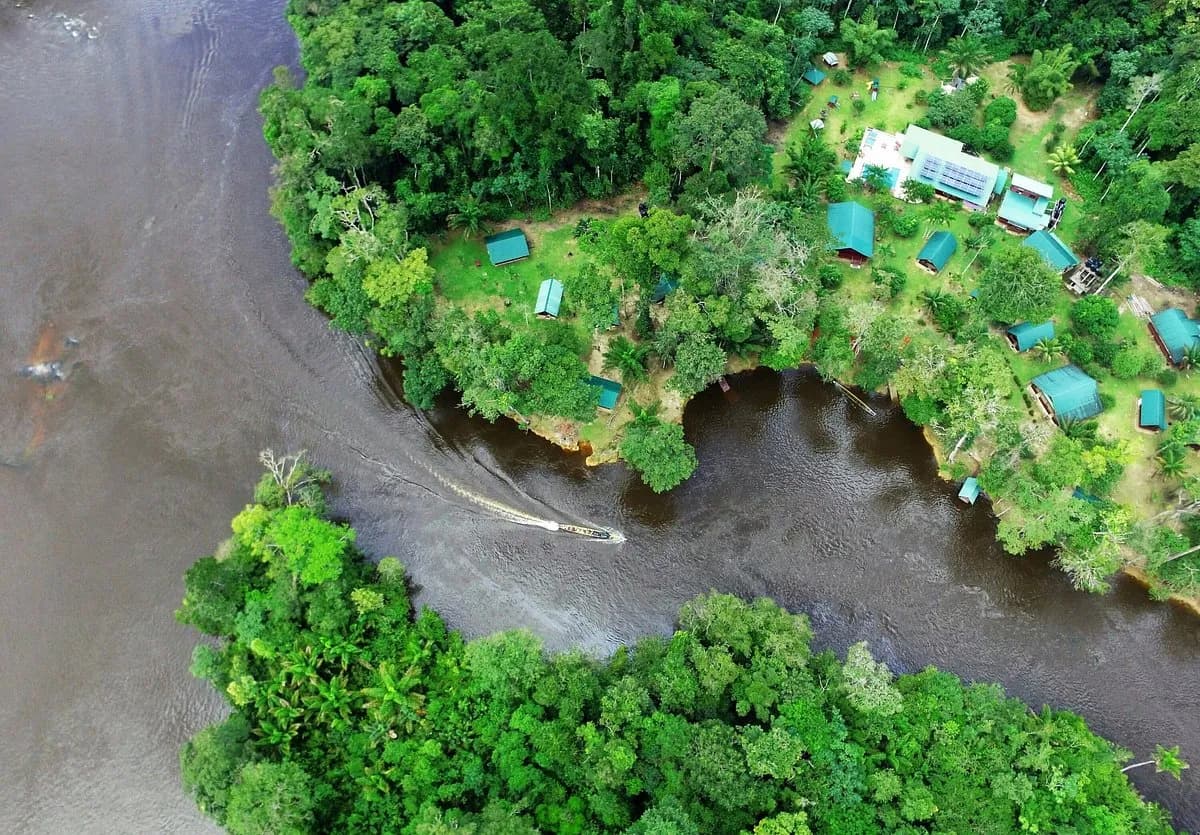
Travel by boat up the rivers. You can hike in the jungle, swim by waterfalls, and stay in Maroon and Indigenous villages far from the city.
Want to know more? Read our full guide to Suriname.
Discover the Suriname Most Travelers Never See
Secret spots, local tips, and 2026 itineraries.
Suriname tourism is growing as more travelers discover its ten distinct regions. While most locals live near the breezy coastal capital of Paramaribo, the vast green interior covers over 80% of the country-hiding ancient Maroon villages and untouched jungle creeks.
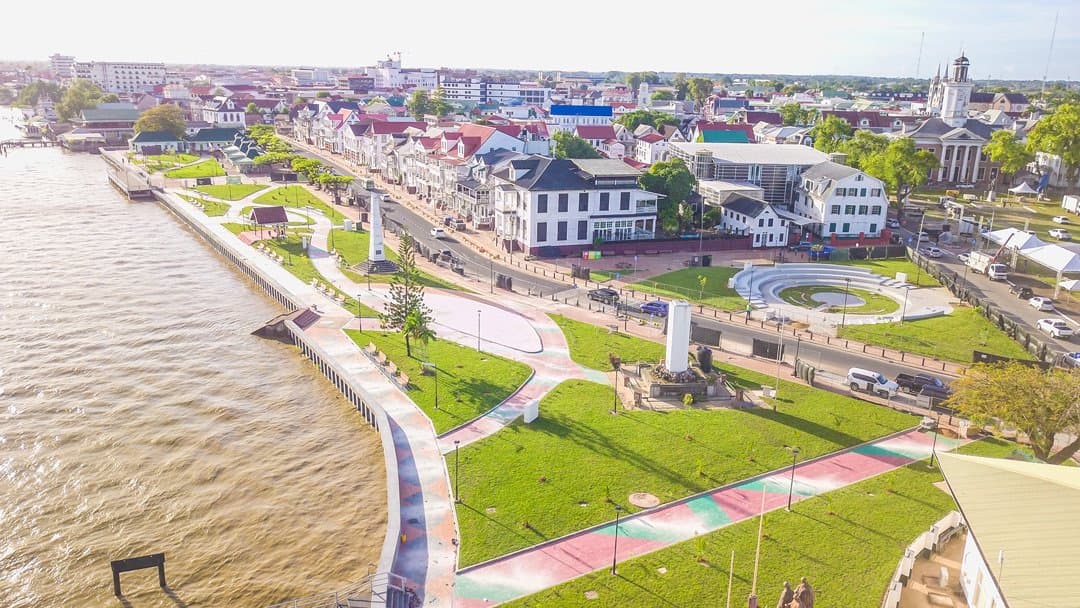
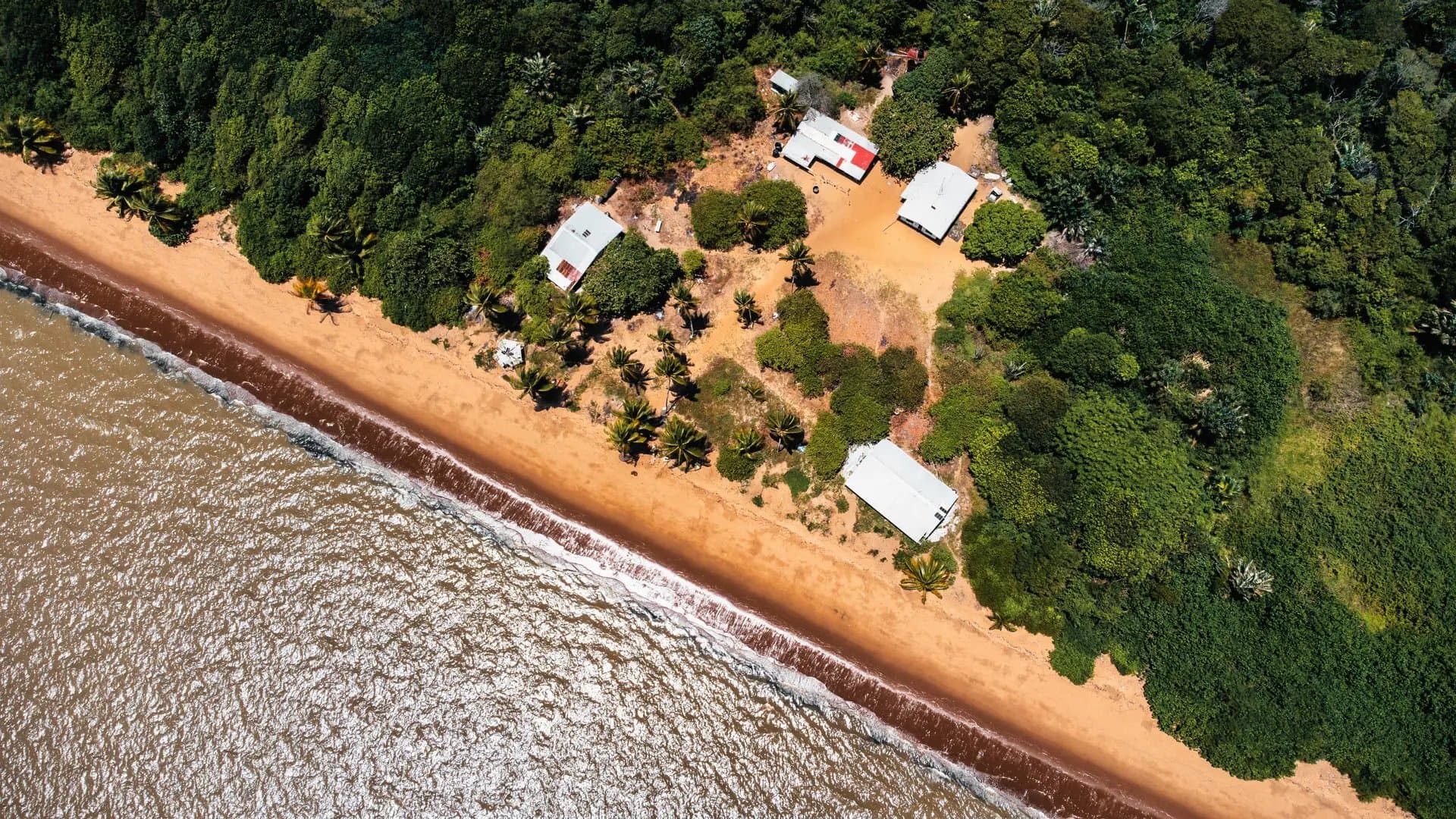
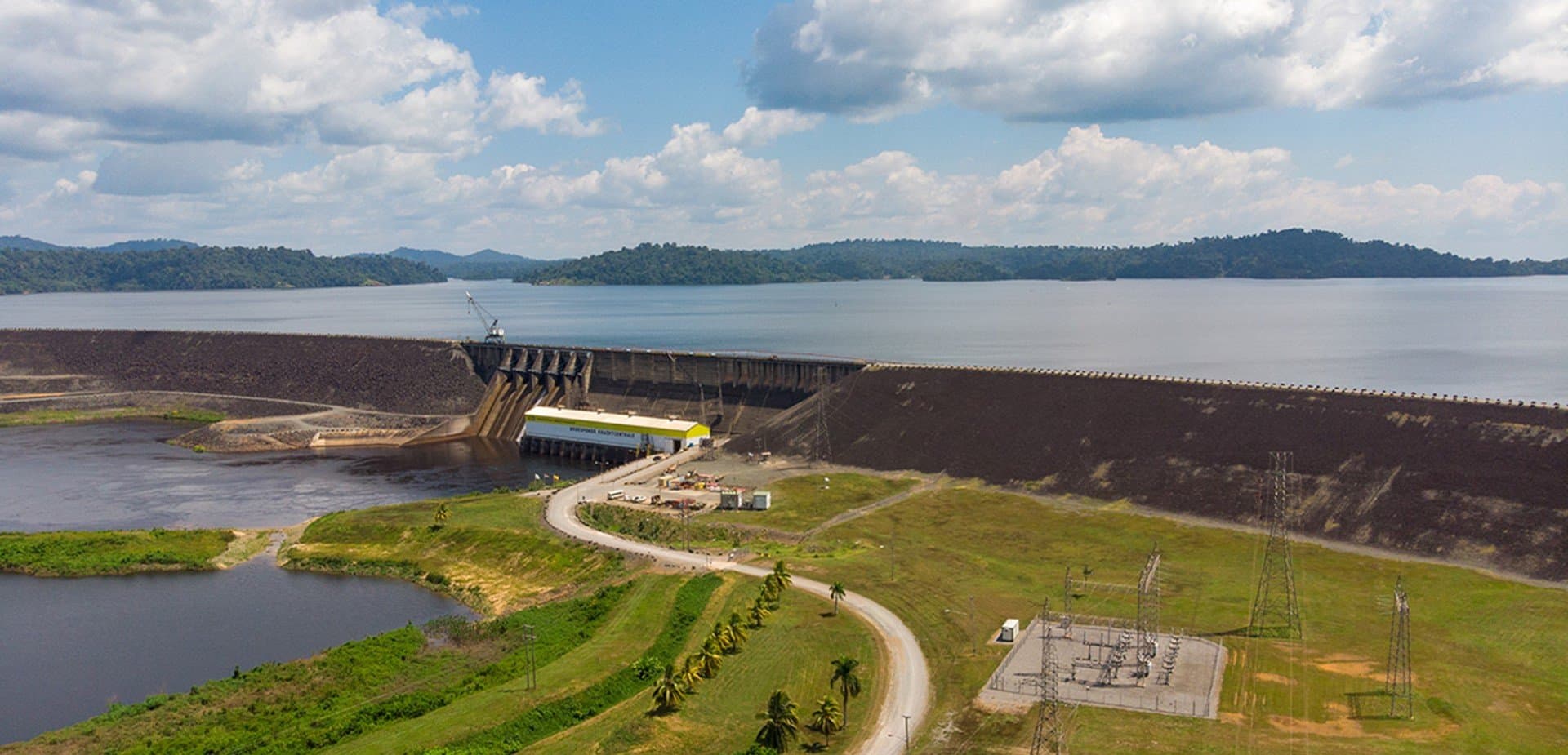
Paramaribo is the capital of Suriname, and for most visitors it's also the starting point for the rest of the country. Most visitors arrive in Suriname through Johan Adolf Pengel International Airport, about an hour south of the capital, after arranging their [entry fee and e-Visa](/planning/before-you-go/suriname-entry-requirements-e-visa/) in advance. From there the road leads north to Paramaribo, the country’s main cultural and historical center. Paramaribo sits along the west bank of the Suriname River. The city is small compared to many capitals, but it has a long history and a strong identity shaped by many cultures. Dutch colonial buildings stand next to temples, mosques, churches, and markets. The mix reflects the communities that built the city over centuries. People in Paramaribo come from many backgrounds. Creole, Hindustani, Javanese, Chinese, Indigenous, Dutch and Lebanese influences can all be seen in daily life. The diversity is visible in the food, languages, traditions, and neighborhoods across the city. For most travelers exploring Suriname, Paramaribo is the place where the journey begins. See our full rundown of [things to do in Paramaribo](/articles/things-to-do-in-paramaribo/) for a more detailed list beyond the highlights below. Using Paramaribo as a Base Most travelers stay in Paramaribo before exploring other parts of Suriname. From the capital it is easy to arrange trips to several destinations. Popular excursions include: - Commewijne plantations across the river - Brokopondo Reservoir and the rainforest interior - Galibi Nature Reserve, known for sea turtle nesting - Nieuw Nickerie and the western coast Hotels and tour operators in Paramaribo can arrange transportation and guided trips into the rainforest and river regions.
Paramaribo is the capital of Suriname, and for most visitors it's also the starting point for the rest of the country. Most visitors arrive in Suriname through Johan Adolf Pengel International Airport, about an hour south of the capital, after arranging their [entry fee and e-Visa](/planning/before-you-go/suriname-entry-requirements-e-visa/) in advance. From there the road leads north to Paramaribo, the country’s main cultural and historical center. Paramaribo sits along the west bank of the Suriname River. The city is small compared to many capitals, but it has a long history and a strong identity shaped by many cultures. Dutch colonial buildings stand next to temples, mosques, churches, and markets. The mix reflects the communities that built the city over centuries. People in Paramaribo come from many backgrounds. Creole, Hindustani, Javanese, Chinese, Indigenous, Dutch and Lebanese influences can all be seen in daily life. The diversity is visible in the food, languages, traditions, and neighborhoods across the city. For most travelers exploring Suriname, Paramaribo is the place where the journey begins. See our full rundown of [things to do in Paramaribo](/articles/things-to-do-in-paramaribo/) for a more detailed list beyond the highlights below. Using Paramaribo as a Base Most travelers stay in Paramaribo before exploring other parts of Suriname. From the capital it is easy to arrange trips to several destinations. Popular excursions include: - Commewijne plantations across the river - Brokopondo Reservoir and the rainforest interior - Galibi Nature Reserve, known for sea turtle nesting - Nieuw Nickerie and the western coast Hotels and tour operators in Paramaribo can arrange transportation and guided trips into the rainforest and river regions.
Essential requirements, visas, currency, and what to pack for the tropics.
From luxury resorts in Paramaribo to authentic jungle eco-lodges.
Navigate domestic flights, riverboats, and local buses like a pro.
Hand-crafted routes for 1-week, 2-week, and adventure-focused trips.
Discover multi-day rainforest expeditions and turtle watching tours.
Local etiquette, health advice, safety tips, and staying connected.