Introduction to Marowijne
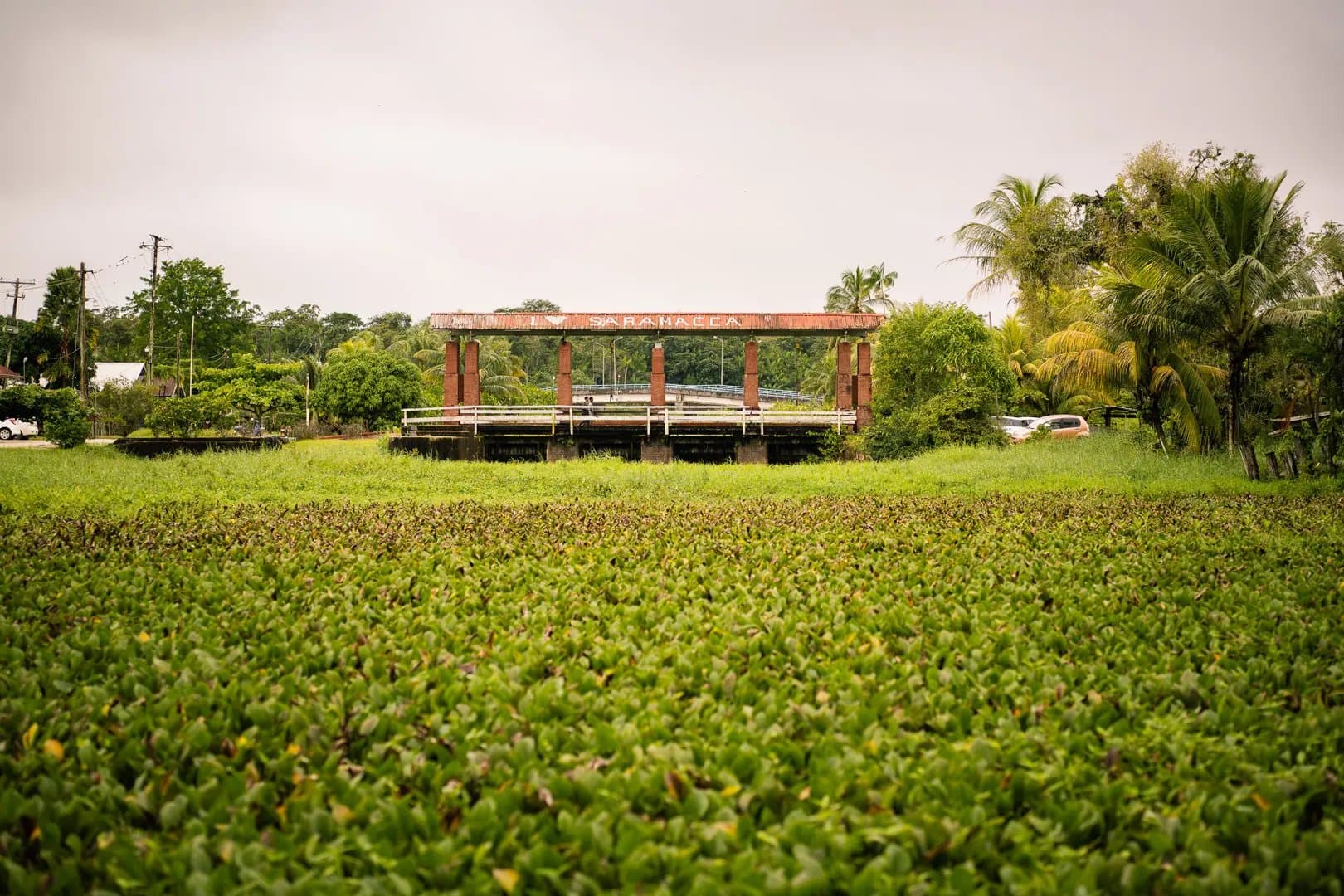
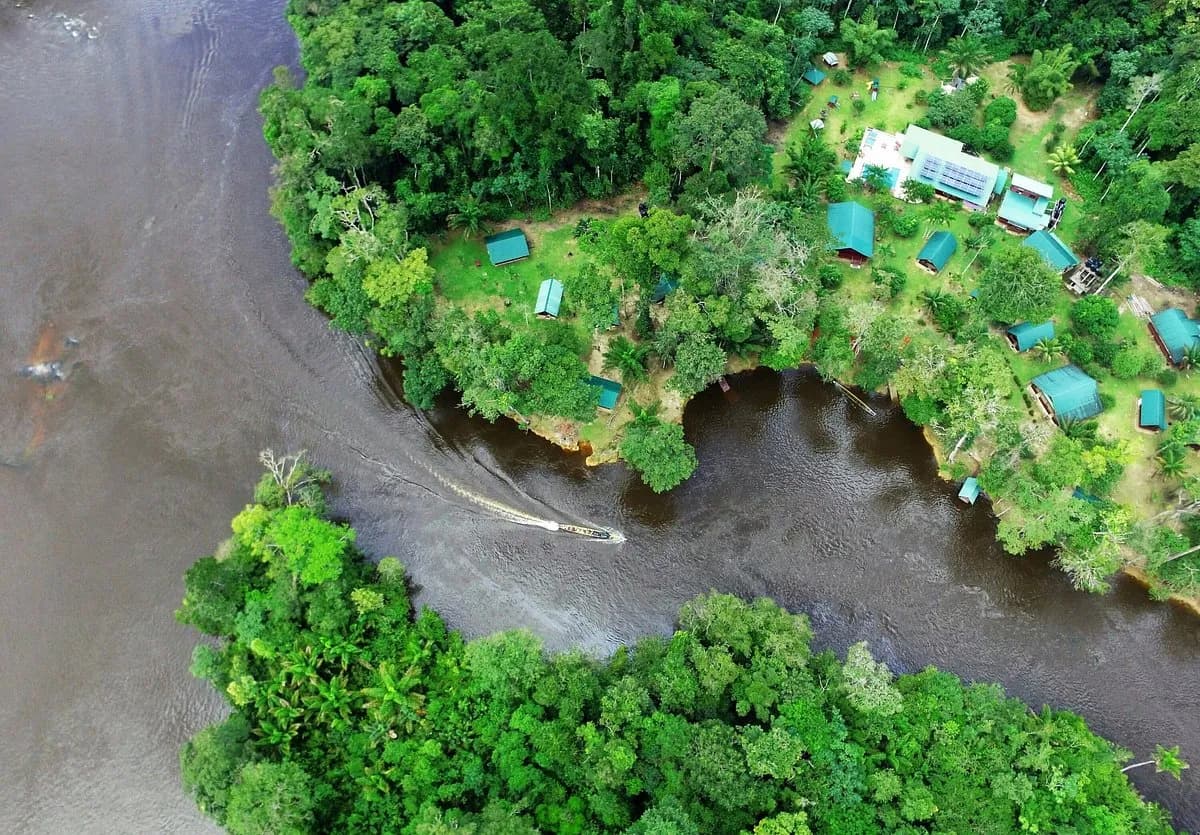
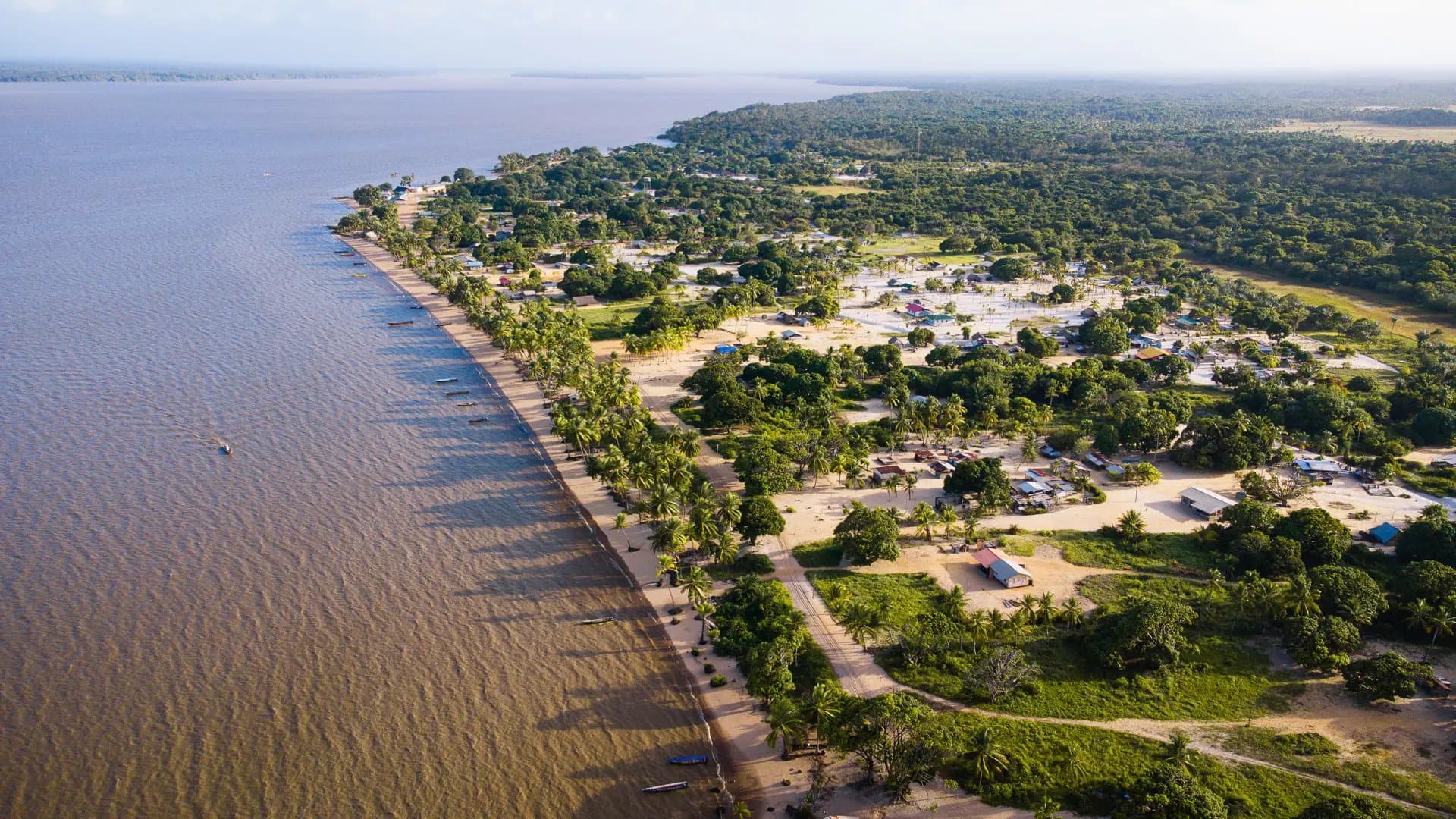
Marowijne is a district in eastern Suriname known for its rivers, rainforest, and wildlife. The region borders French Guiana, with the Marowijne River forming the natural boundary between the two countries. For many travelers, the district offers a mix of nature, culture, and river life that is very different from the capital.
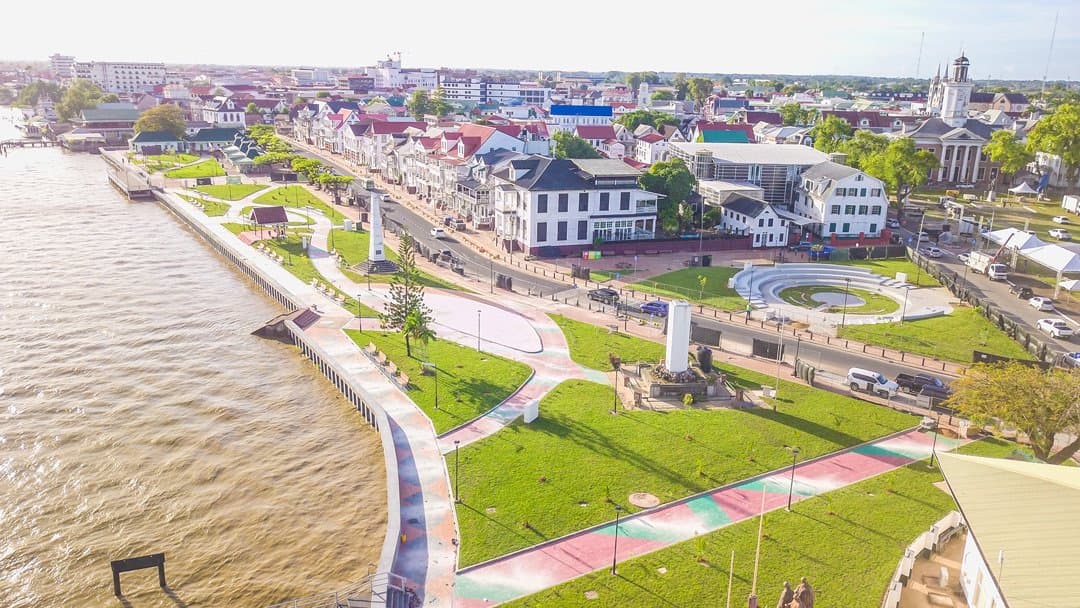
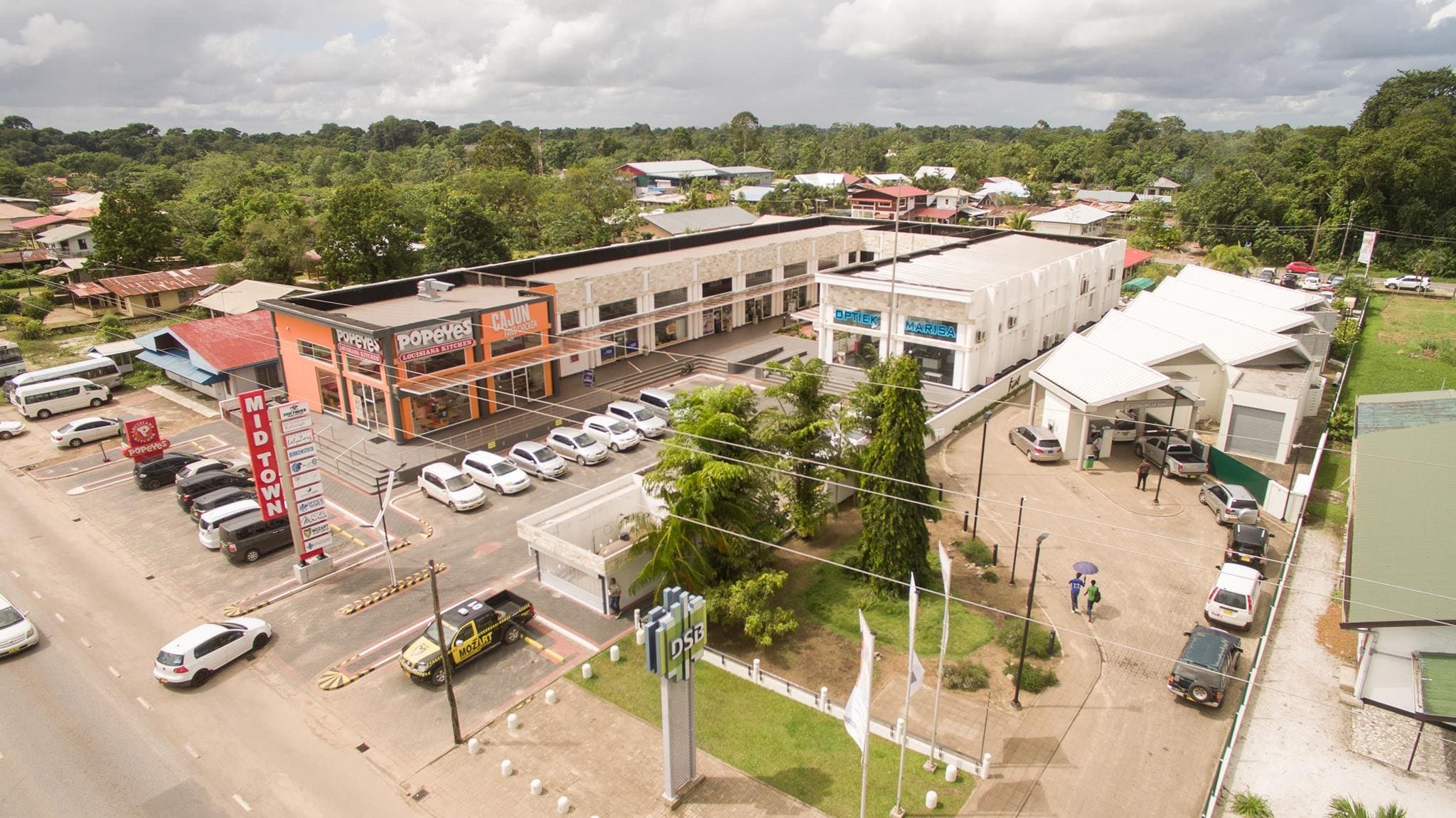
The district capital is Albina, a riverside town located about 100 kilometers east of Paramaribo. Albina sits directly across from Saint-Laurent-du-Maroni in French Guiana, making it an important border crossing point. Small boats regularly travel across the river, connecting the two sides and giving visitors the opportunity to experience both countries in one trip.
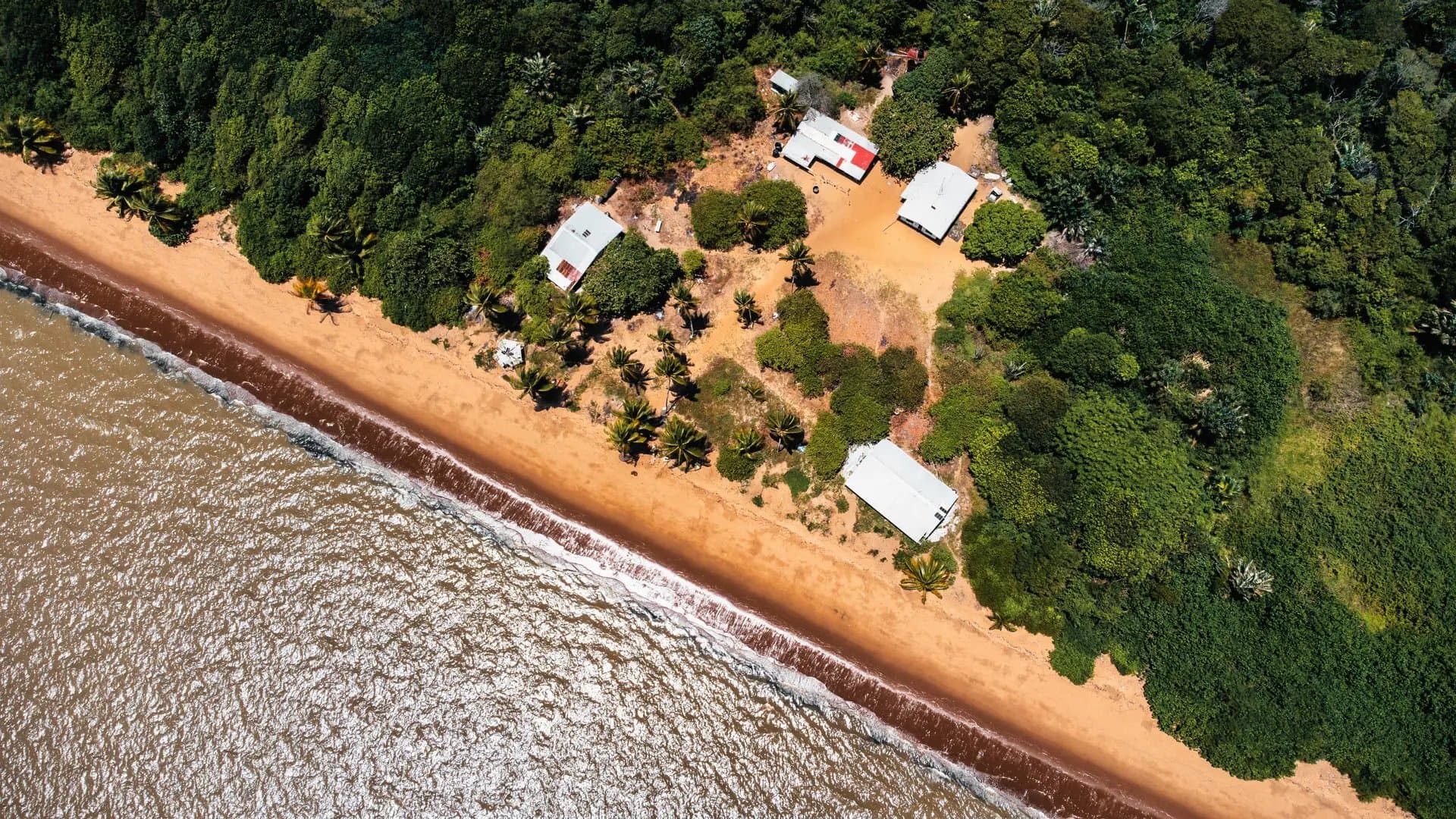
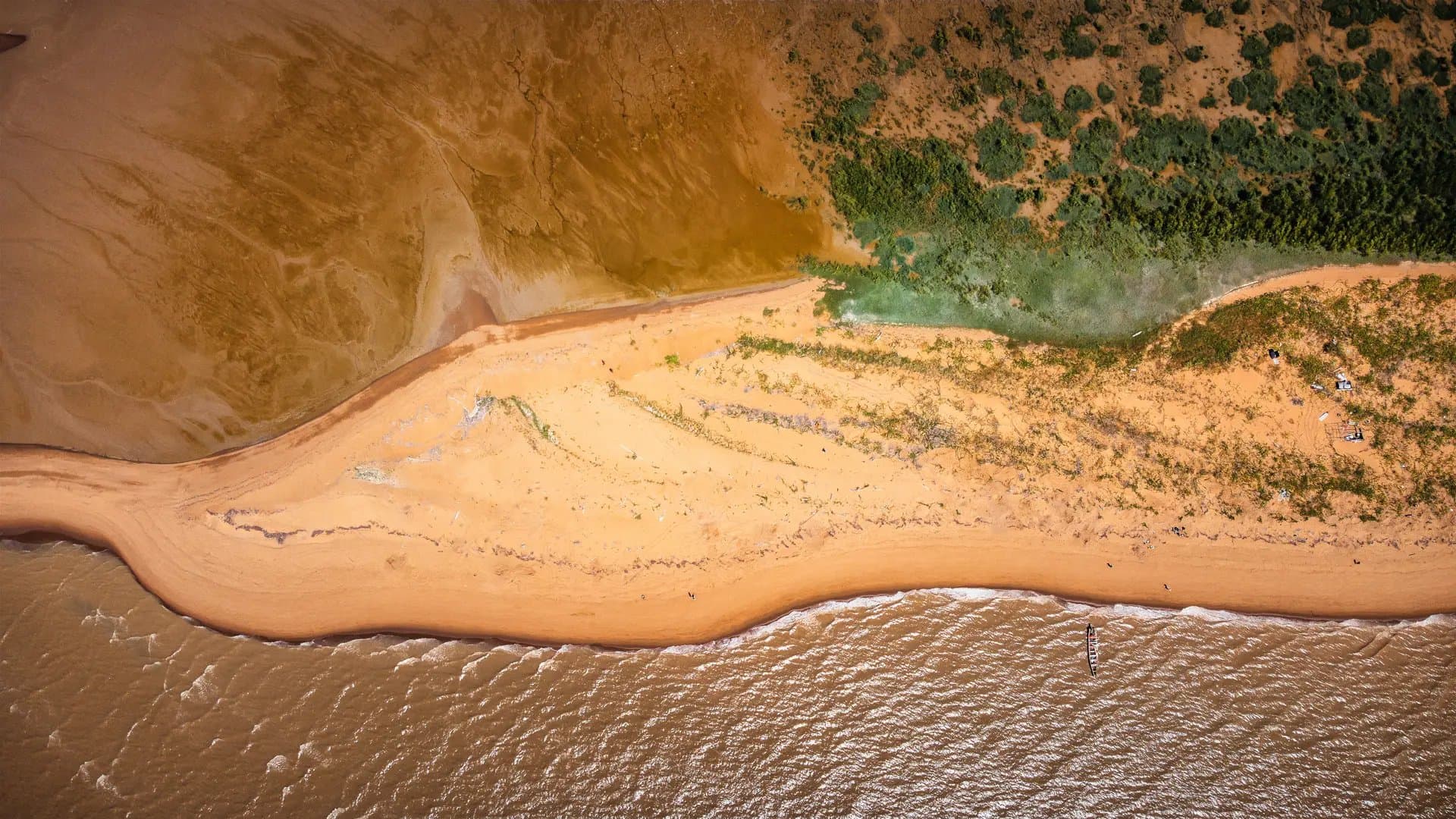
One of the most well known destinations in the district is Galibi Nature Reserve, located near the mouth of the Marowijne River. The reserve is famous for its sea turtle nesting beaches, among the most notable stretches on our guide to Suriname's beaches. Several species of sea turtles come ashore here during the nesting season, attracting visitors who travel to the area to observe this natural event.
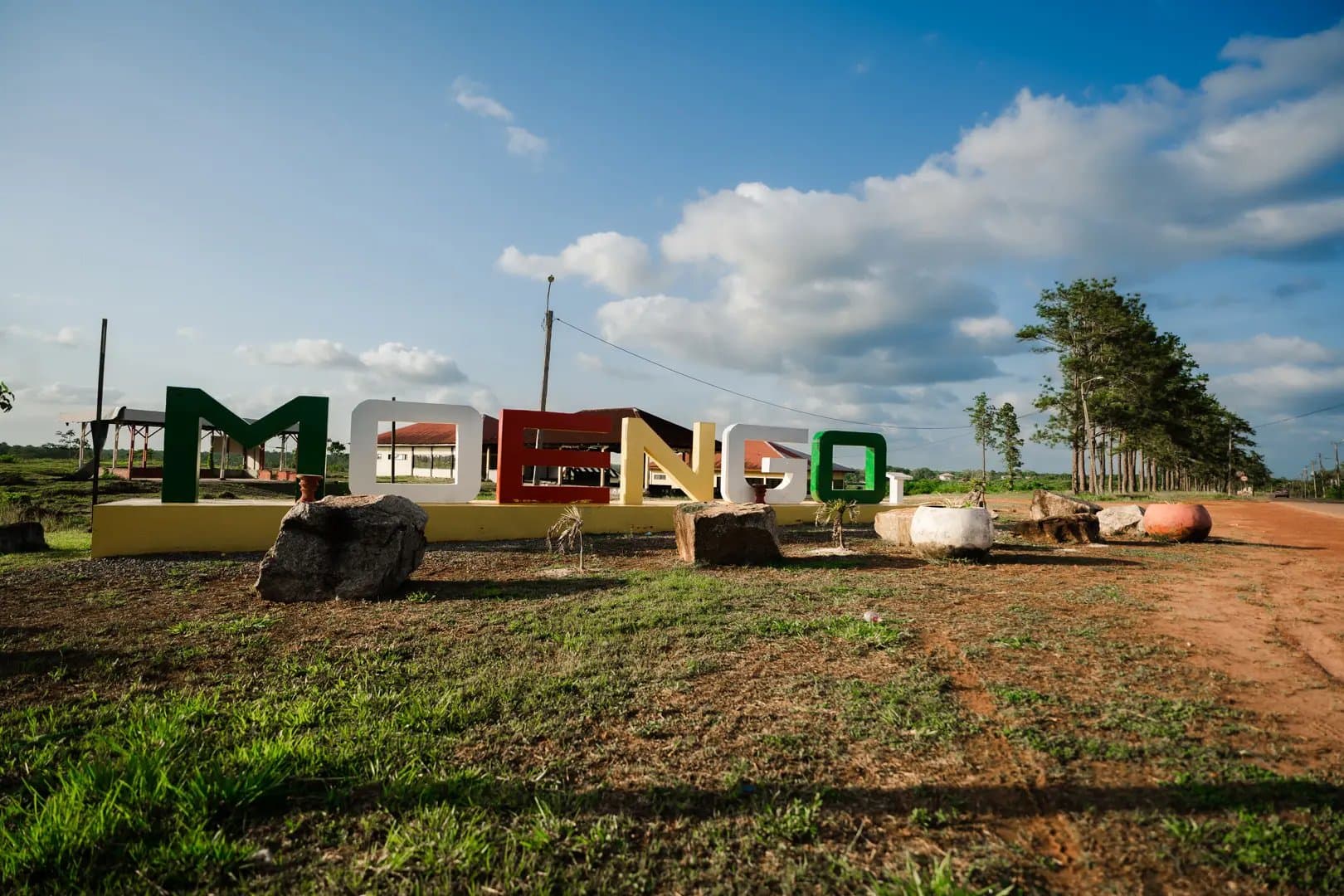
Marowijne is also home to several Indigenous communities, including the villages of Christiaankondre and Langamankondre, where visitors can learn about the traditions and culture of the Kaliña people. Further inland, the town of Moengo has gained attention for its cultural projects and art initiatives that bring new life to the historic mining town.
For travelers exploring Suriname, Marowijne offers a combination of river landscapes, wildlife, and cultural experiences. Whether visiting the turtle beaches of Galibi, crossing the river to French Guiana, or exploring riverside towns, the district provides a unique view of Suriname’s eastern region.
Experience it in Motion
Things to Do in Marowijne
Marowijne stretches from a working border town to one of the most important sea turtle beaches in the Western Hemisphere, with Indigenous villages and a former mining town turned art center in between. This is a district built around specific, distinct destinations rather than a single city center.
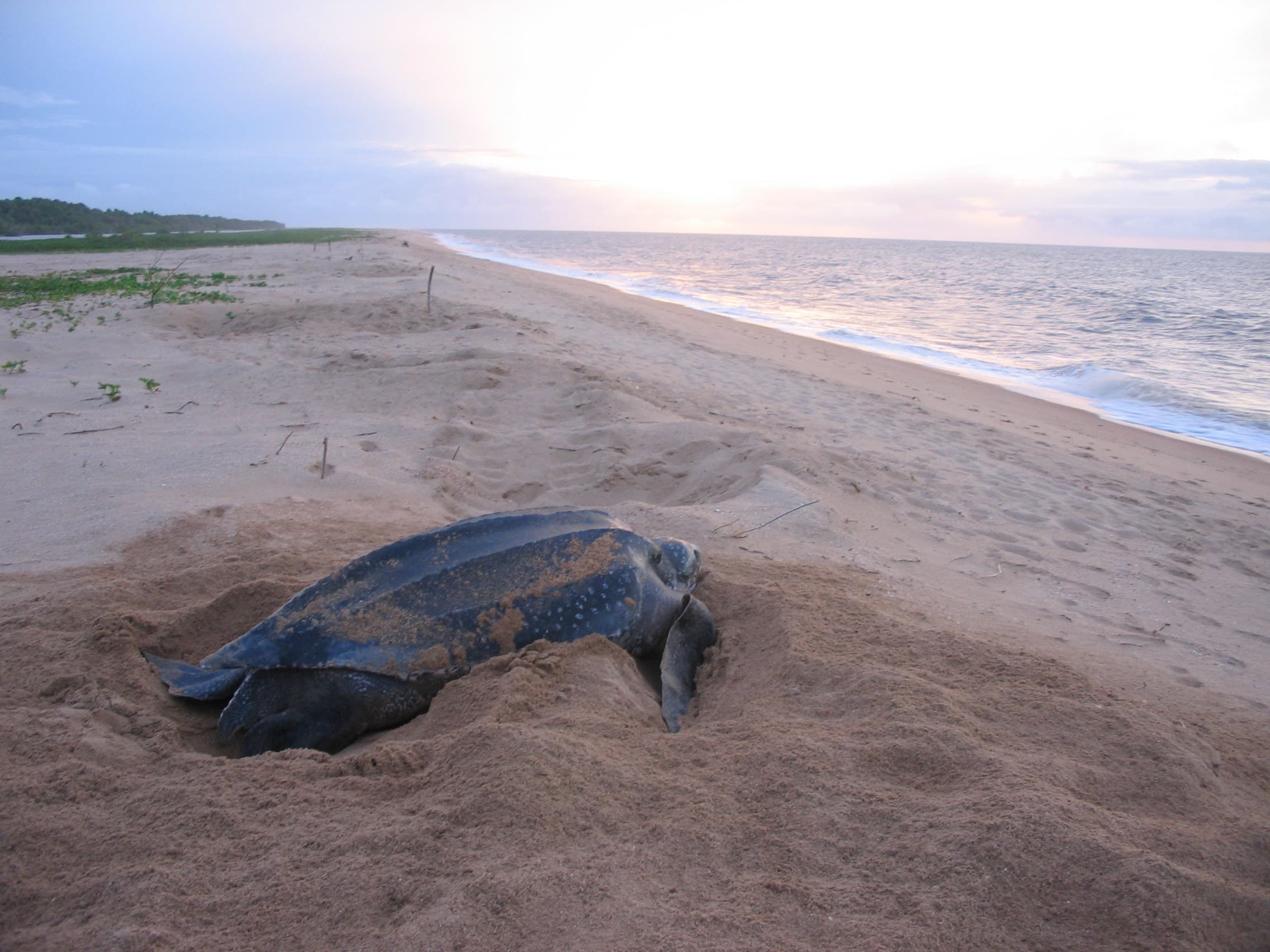
Watch Sea Turtles Nest at Galibi
Galibi sits where the Marowijne River meets the Atlantic, reached by boat from Albina, and its beaches are one of the most important leatherback turtle nesting sites in the western Atlantic. Green, hawksbill, and olive ridley turtles nest here too, with the season running roughly March through July. Night tours take small groups out after dark, guided so as not to disturb the animals, to watch turtles come ashore and lay their eggs. Most trips combine the nesting tour with a stay in one of the nearby Indigenous villages rather than a same-day round trip from Paramaribo.
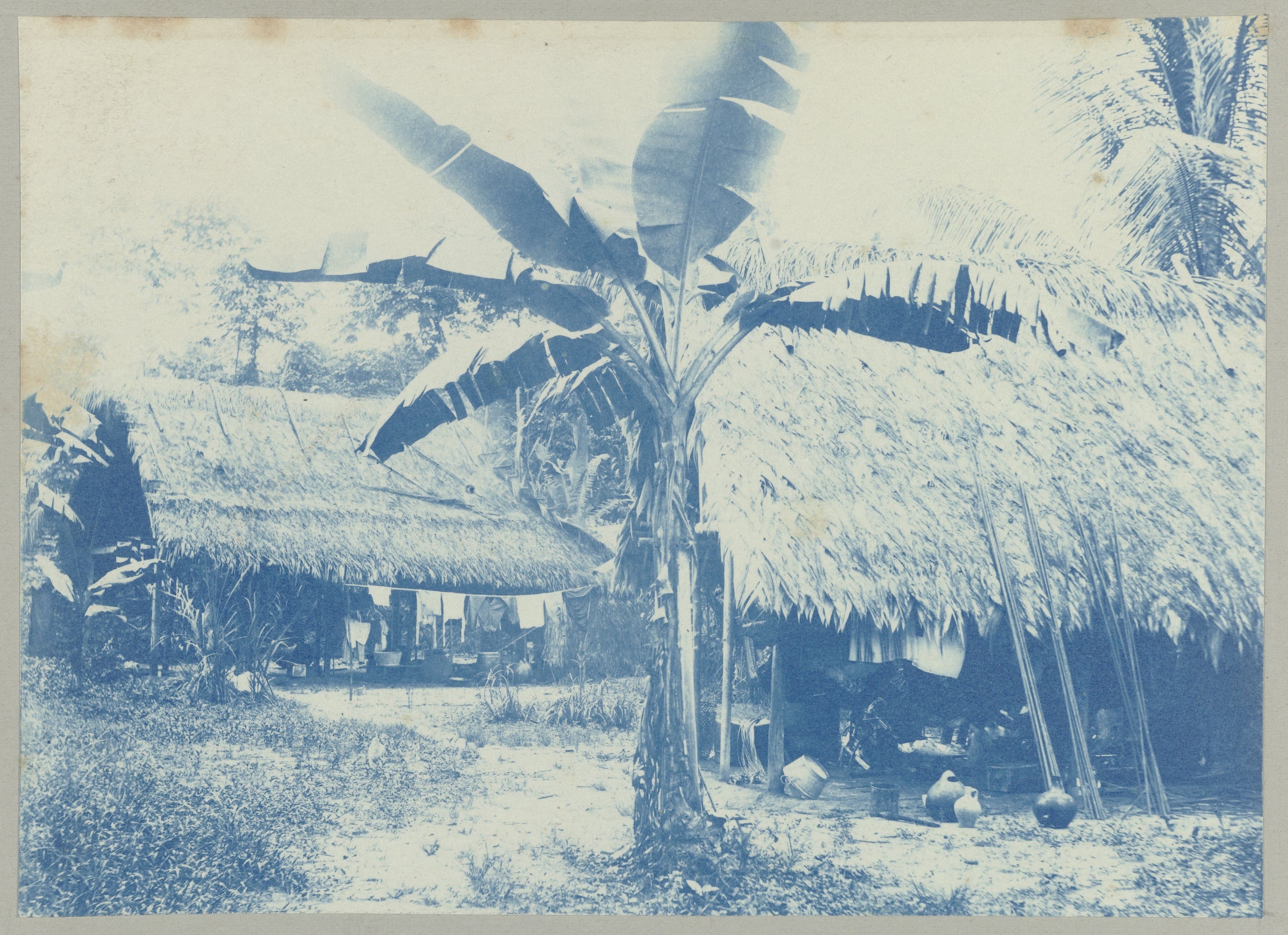
Visit Christiaankondre and Langamankondre
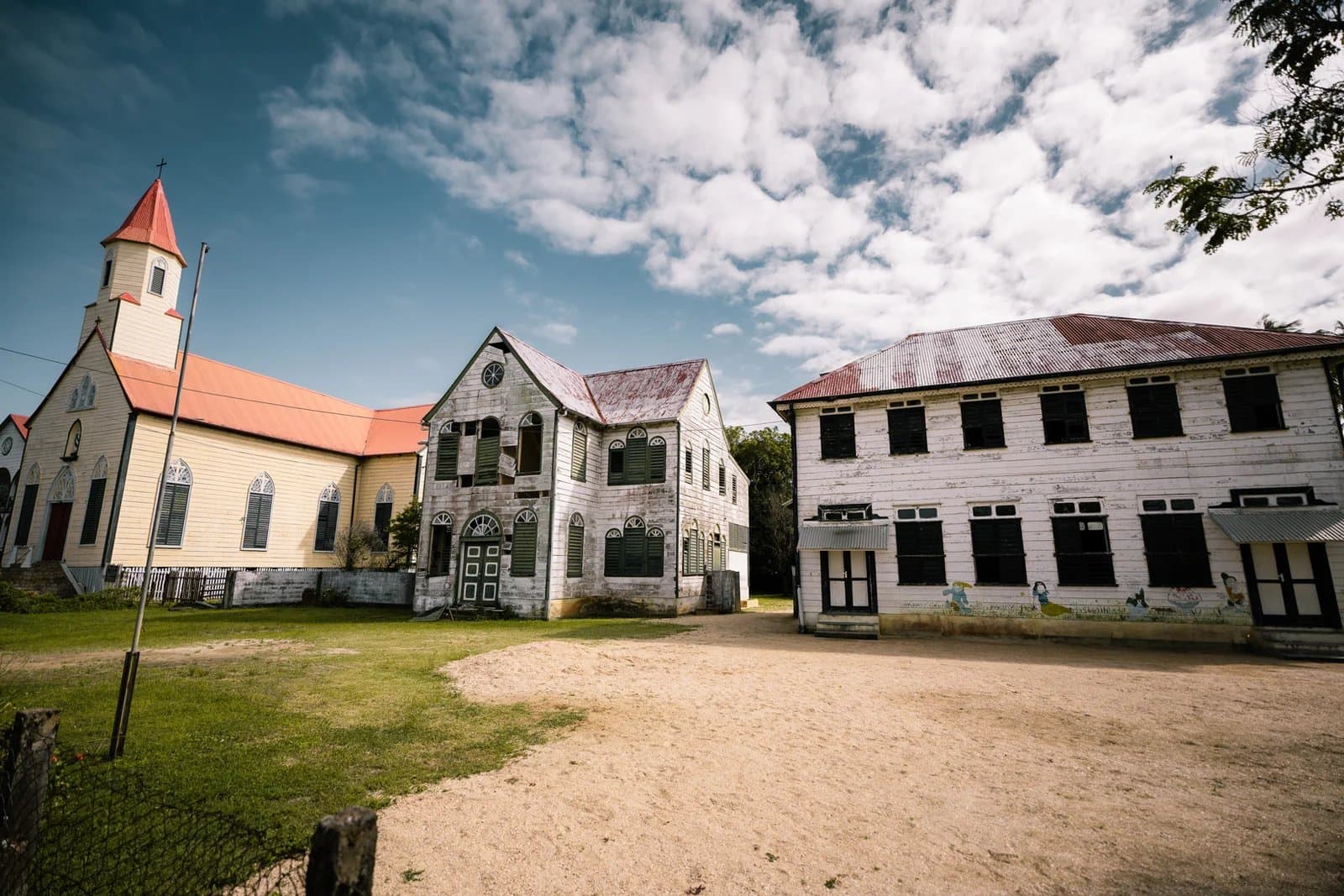
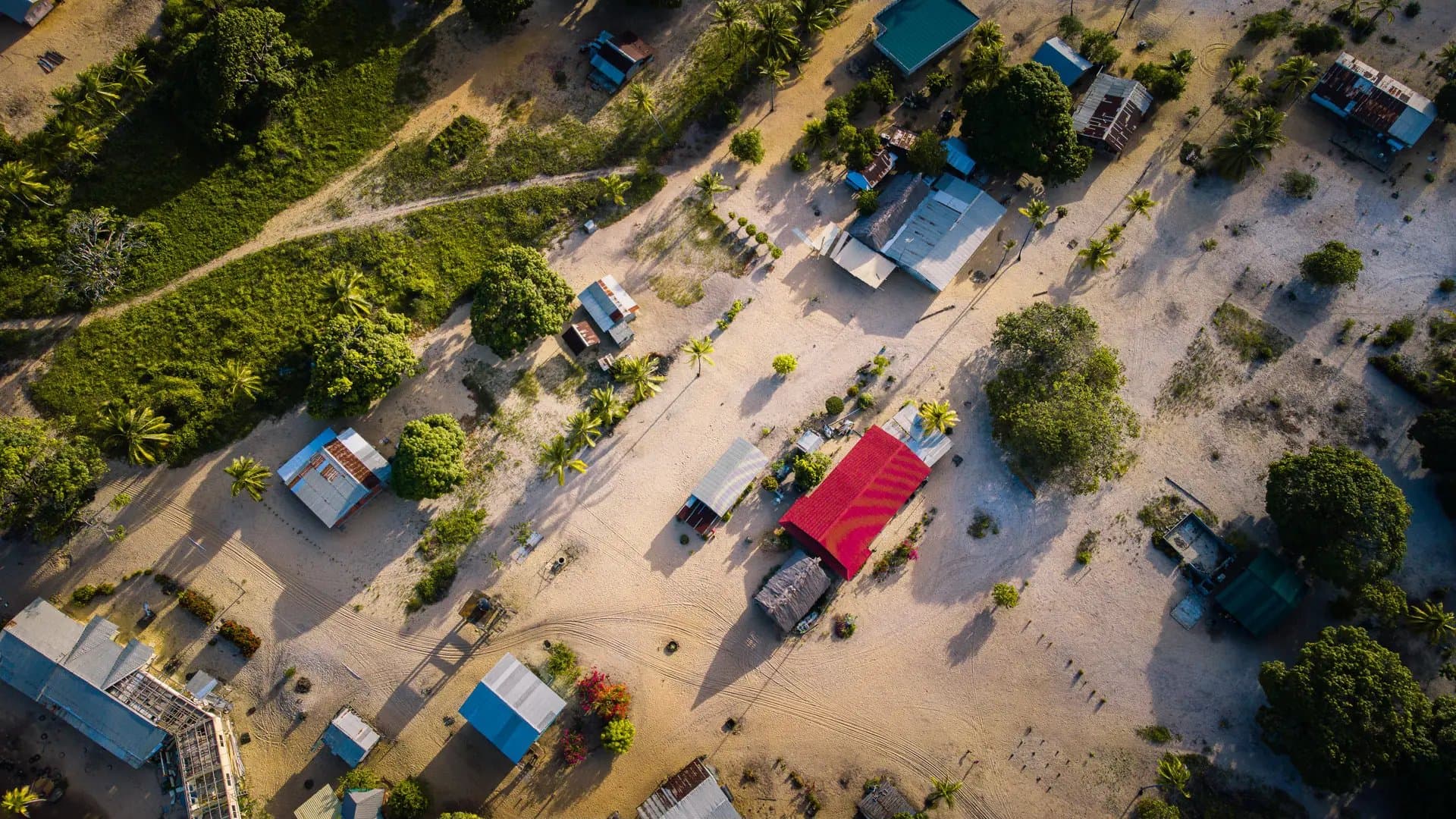
These two Kaliña Indigenous villages sit side by side near Galibi, and a visit typically includes a walk through the community, a look at the wooden church, and time at the women's craft center, where baskets, jewelry, and instruments are sold directly from the people who made them. Villages here set their own rules around photography, so it's worth checking with your guide before taking pictures of people rather than scenery.
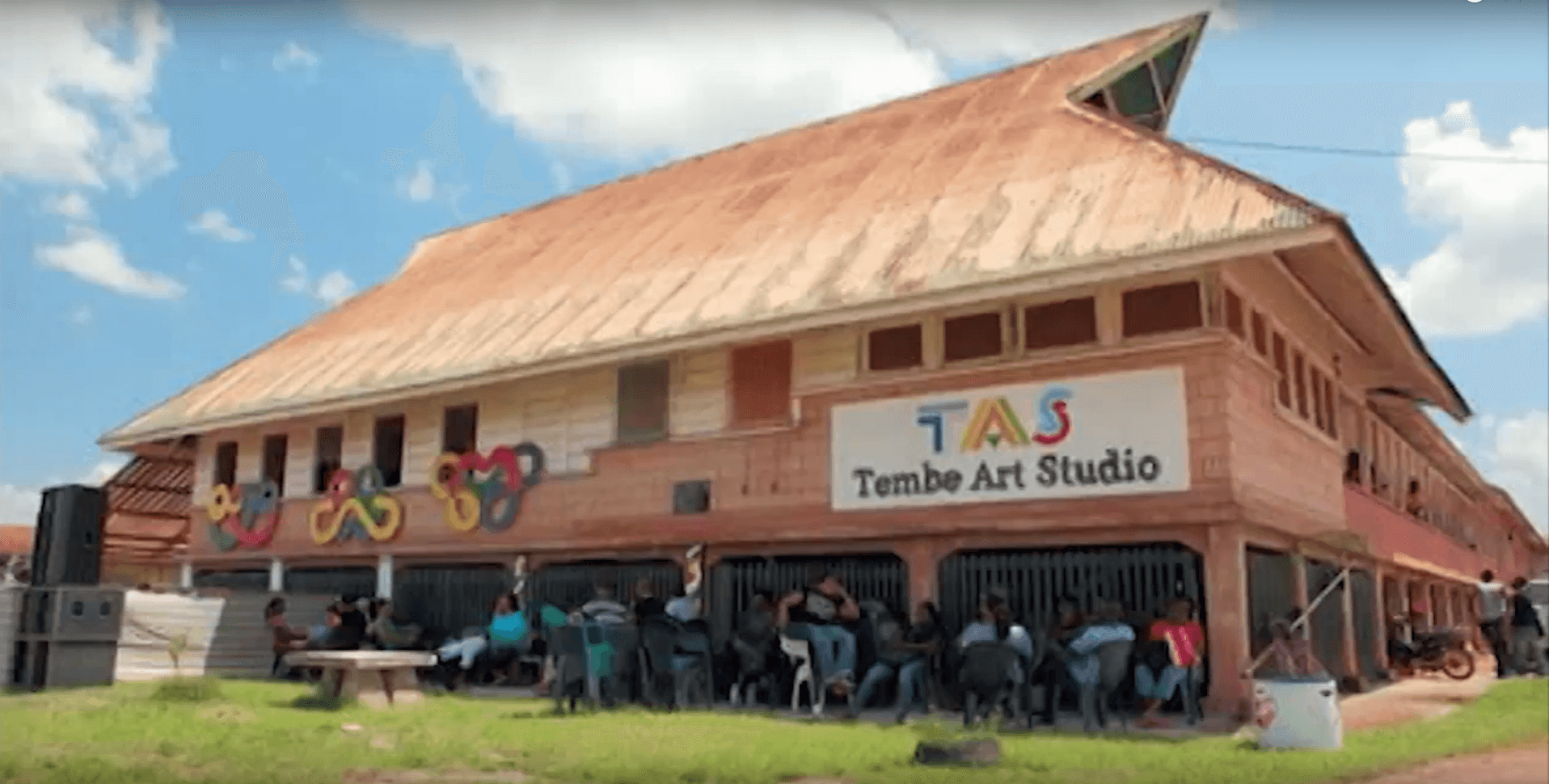
See Moengo's Tembe Art Studio
Moengo was built as a bauxite mining town starting in 1916, and for decades it was one of Suriname's most industrially developed towns. When mining wound down, artist Marcel Pinas founded the Tembe Art Studio in 2009 inside a former company hospital, and it's since become a genuine cultural center, hosting workshops in painting, sculpture, dance, and music for residents and visiting artists alike. It's an unusual stop for a rural Suriname district and worth the detour if you're interested in how a former company town has reinvented itself.
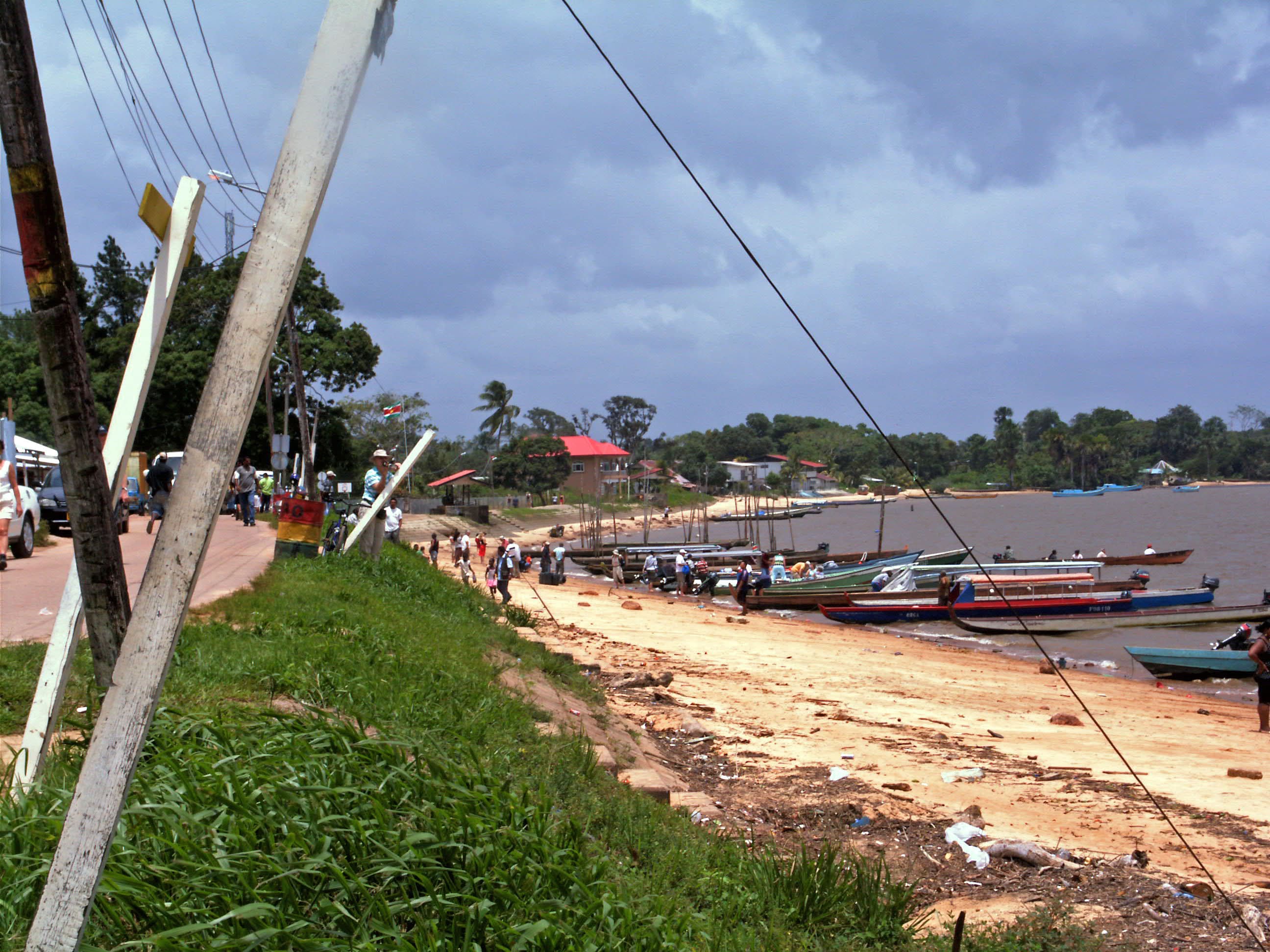
Cross to French Guiana from Albina
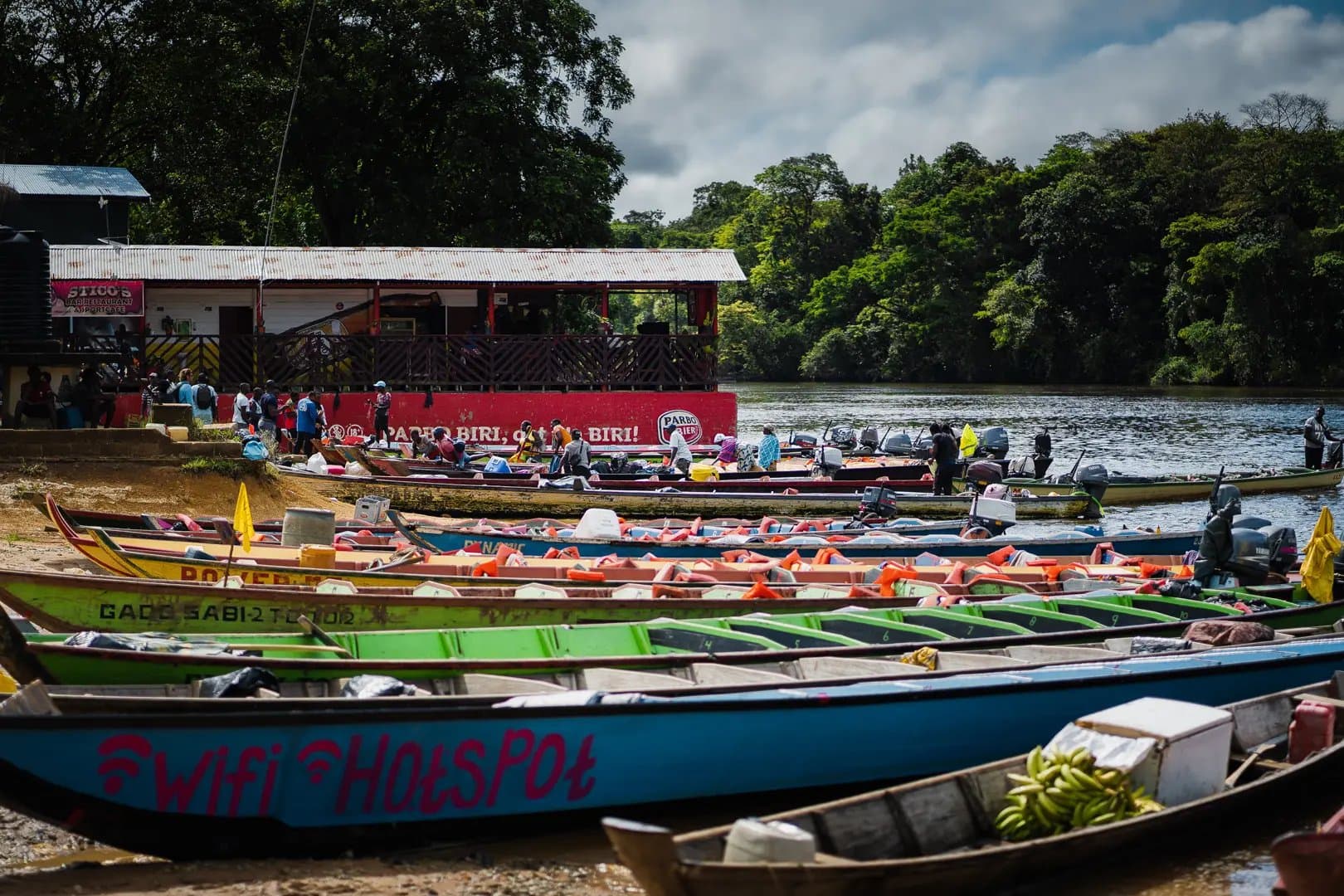
Albina faces Saint-Laurent-du-Maroni across the Marowijne River, and small motorized pirogues run the short crossing throughout the day. Even if you're not continuing into French Guiana, Albina's riverfront is worth a walk in its own right, a working border town with boats, markets, and river traffic that feels distinct from anywhere on Suriname's main coastal highway.