IMAGE SOURCE: -JvL- / Wikimedia Commons (CC BY 2.0)
People ask this question because they haven't been here yet. Once you come, you stop asking it.
Suriname is a safe destination. The US, Canada, and Australia all place it at their lowest advisory level: exercise normal precautions. That's the same rating given to dozens of popular travel destinations around the world. Most travelers leave Suriname without a single incident and with a strong desire to return.
That said, you're coming to a real place with real neighborhoods and real logistics. Here's what you should actually know before you arrive.
In Paramaribo
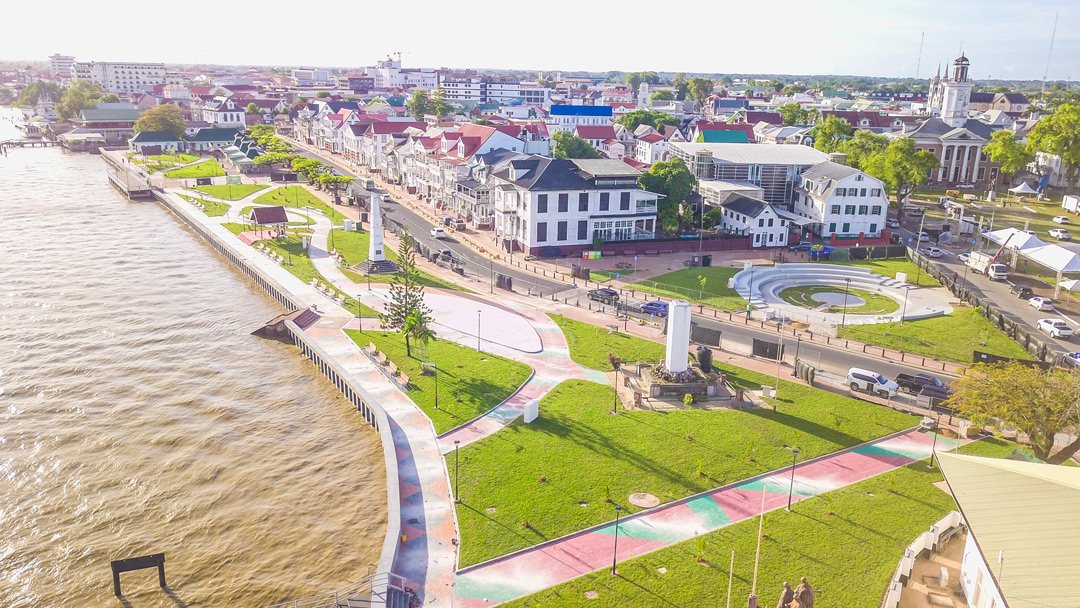
Photo: De West
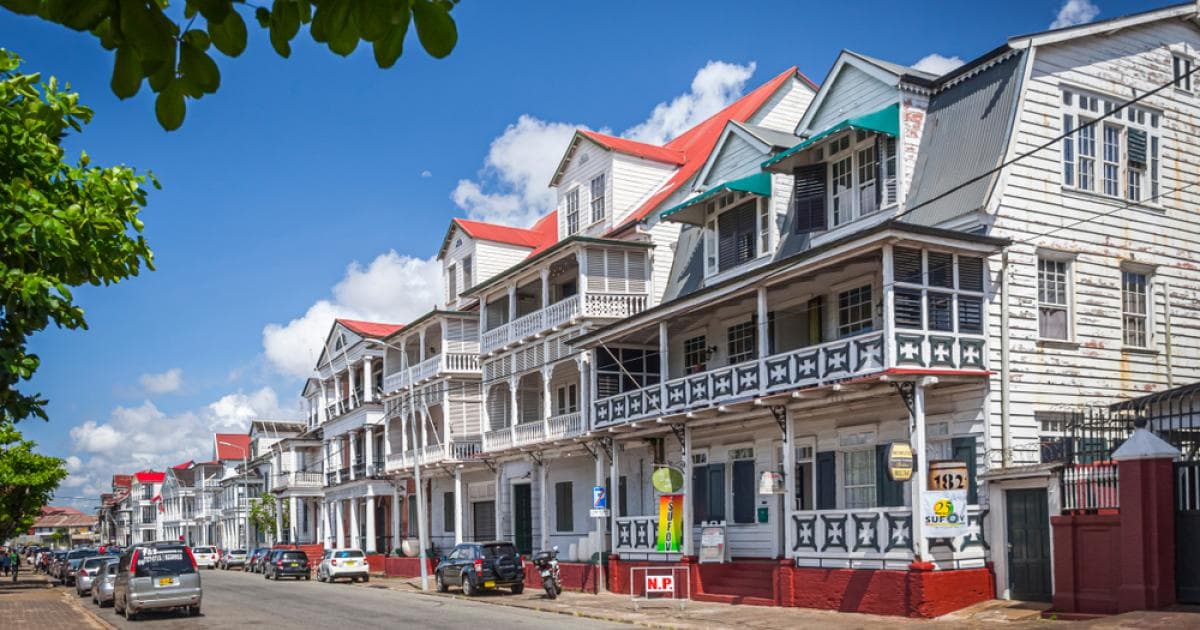
The capital is where the vast majority of visitors spend their time. As in most capital cities, normal precautions cover the real risk here: petty theft, not violent crime, most likely wherever crowds bunch up, a busy market stall, a packed sidewalk, a queue. Keep your phone in a front pocket, leave your passport at the hotel unless you need it that day, and skip the flashy jewelry when you're out in a crowd. The same habits that work in any big city work here.
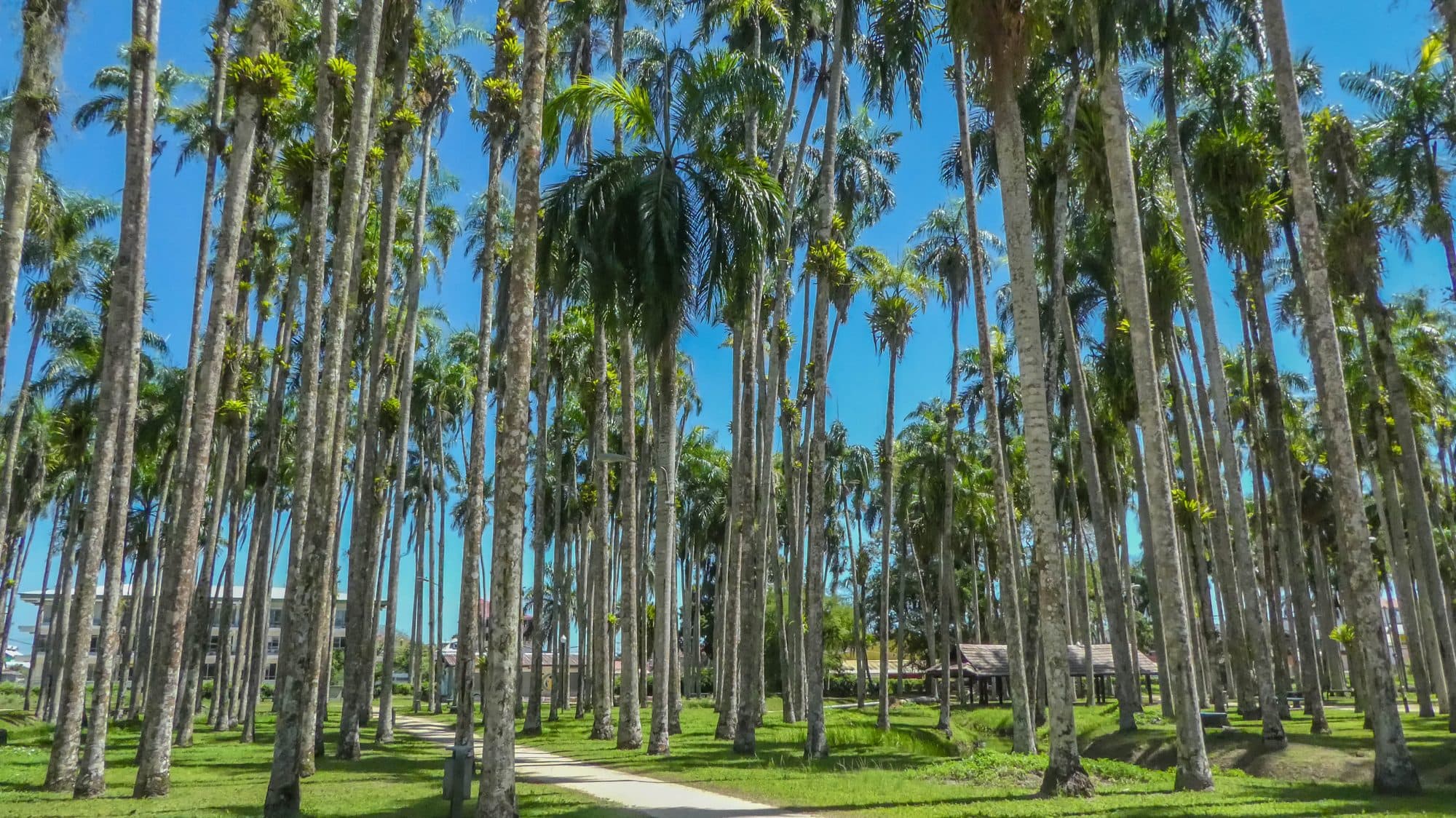
After dark, a bit more care goes a long way. The Palmentuin (Palm Garden) near the historic centre is best avoided after sunset, mainly because of limited police presence there after hours, the same point international travel advisories make when they flag it. For evening meals and drinks, the main strips around the Waterkant and Domineestraat are lively and well-frequented instead. Call a taxi (Suriname Taxi Centrale on 1660, or the Ride app) back to your hotel rather than walking unfamiliar streets alone at night.
During the day, Paramaribo is genuinely pleasant to walk. The UNESCO historic district is one of the most distinctive urban streetscapes in South America, and it gets visited every day by travelers without incident. Suriname's national homicide rate, 7.22 per 100,000 people in 2022 per UNODC data, is in line with several other popular travel destinations in the region, well below the level that should weigh on a trip built around the capital and organised tours.
Outside the Capital
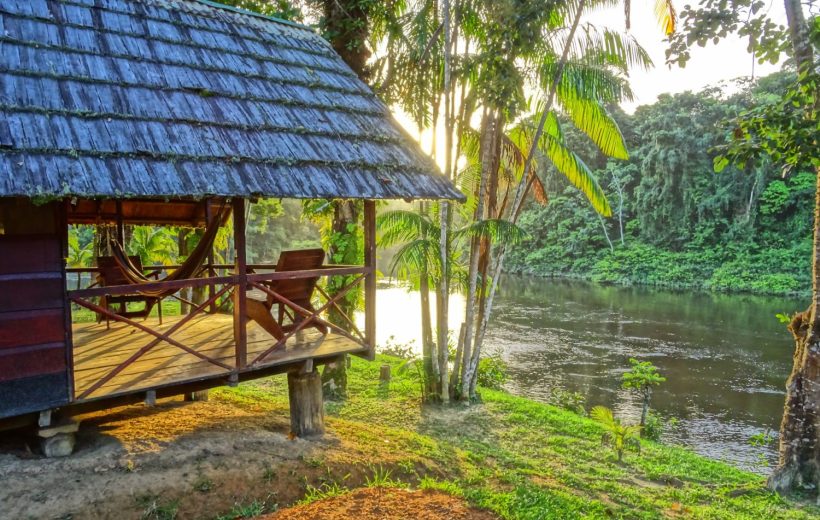
Photo: impressivesuriname.com
This is the part that surprises most first-time visitors. Leave Paramaribo and the pace changes completely.
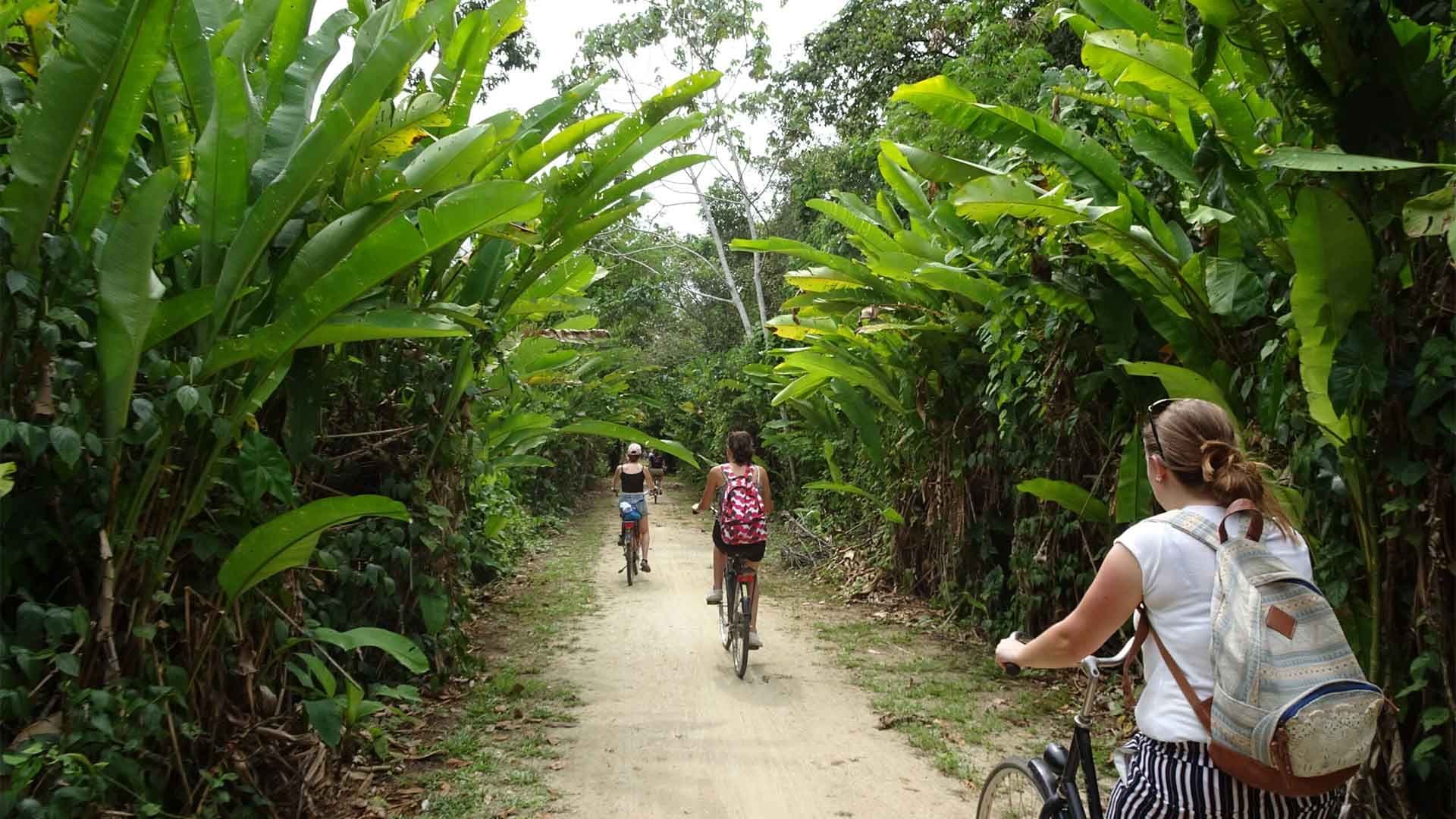
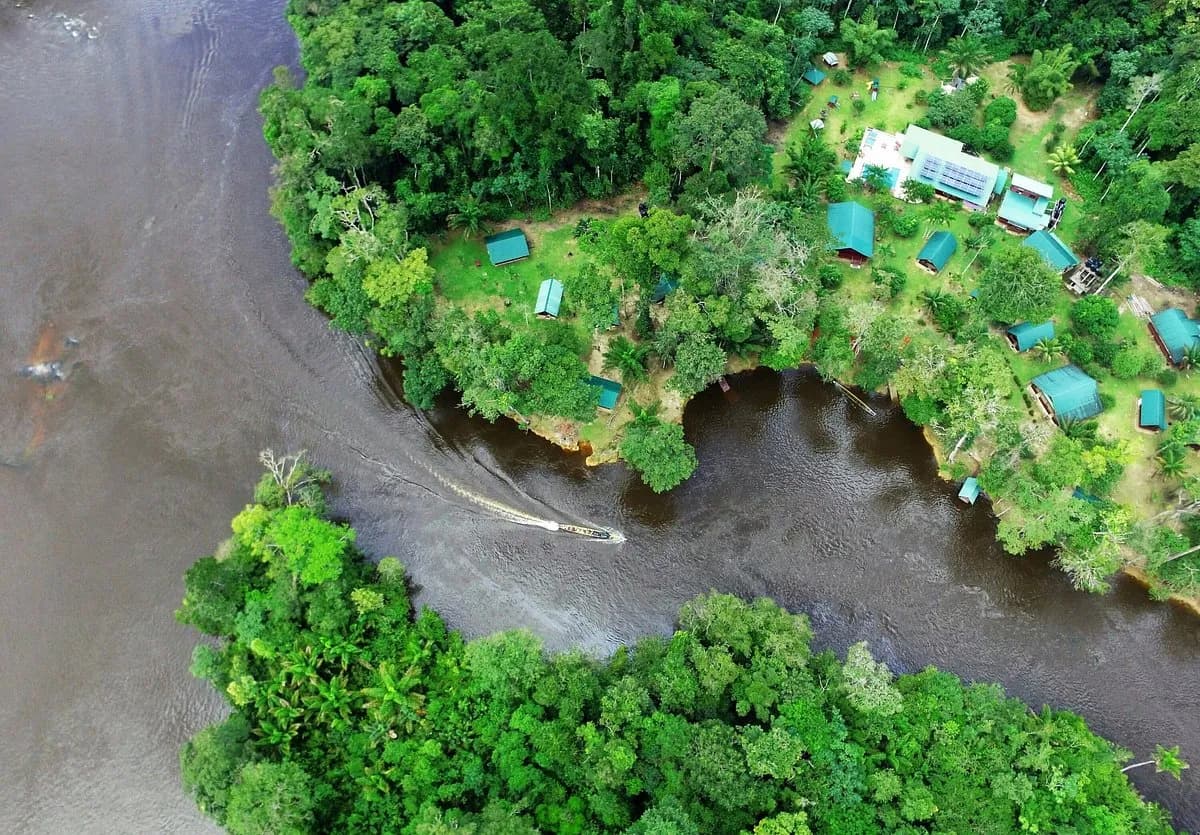
In Commewijne, Brokopondo, and Marowijne, travelers regularly describe feeling relaxed and welcomed. Maroon villages along the Suriname River are used to receiving visitors and are known for their hospitality. Jungle lodges operate without incident. The country's interior is not a place to fear; it's a place to plan carefully.
The practical risks in the interior have nothing to do with crime. They have to do with infrastructure. There are almost no paved roads beyond the coastal zone. Mobile signal disappears past Brokopondo in most directions. Medical facilities outside Paramaribo are extremely basic. A twisted ankle three hours into a jungle trail becomes a serious logistical problem without a guide.
For any trip into the interior, travel with a reputable operator. Not because it's dangerous but because it's remote. Our tours and activities guide lists operators we recommend.
The border areas warrant a bit more awareness. The Guyanese border in the west and the area around Albina on the French Guianese border see higher levels of informal activity tied to the gold mining economy. Neither needs to be avoided outright, but do your research before traveling to these specific areas.
Health: What Changed in 2025
Here is something most online safety guides are still getting wrong: Suriname was certified malaria-free by the World Health Organization on June 30, 2025. It became the first country in the entire Amazon region to achieve this status, after nearly 70 years of national effort.
If an article you're reading still lists malaria as a concern for Suriname, that article is outdated.
What remains relevant:
Mosquitoes still carry other diseases. Suriname reported its first local chikungunya cases since 2016 in early 2026: 2,579 reported cases, 1,354 confirmed, between January and mid-March. Dengue is present too. Neither can be vaccinated against. Prevention is straightforward: use insect repellent with at least 30% DEET, wear long sleeves at dusk, and sleep under a net in the interior. This applies in Paramaribo too, especially during the wet season when standing water collects.
Yellow fever vaccination may be required depending on where you're traveling from. If you're arriving from the Netherlands, UK, US, or most of Europe, you don't currently need it. Check the current entry requirements on our before you go page before you travel.
Food and water: Tap water in Paramaribo is treated, but bottled water is a safer habit. Outside the capital, carry your own. Street food is genuinely worth eating. Stick to freshly cooked items from busy stalls.
Medical care: The Academic Hospital (AZP) in Paramaribo handles emergencies, but specialist care is limited and evacuation for serious cases is expensive. Travel insurance that includes medical evacuation is not optional. Sort it before you leave home.
Emergency numbers: police 115, ambulance 113, fire 110. There's no dedicated tourist police line, and ambulance coverage is unreliable outside Paramaribo and the coastal belt, another reason medical evacuation insurance matters if you're heading into the interior.
Getting Around Safely
Road accidents are the bigger statistical risk here, not crime. WHO data puts Suriname's road traffic death rate at around 15.3 per 100,000 people, more than double the homicide rate cited earlier.
Roads in Paramaribo are paved but poorly maintained and often lack sidewalks. Driving at night outside city limits on unlit roads is genuinely hazardous. Public minibuses (the blue blauwe vogels) are overcrowded and driven fast.
The Canadian government's travel advisory specifically flags a handful of routes for a higher rate of roadside robbery: the East-West Highway between Paramaribo and Albina, the Afobakka Highway in Para district, and roads through Brokopondo district generally. Tour operators use these roads daily without incident, but if you're self-driving, avoid stopping on them after dark.
A few simple rules make a real difference:
Use the Ride app in Paramaribo, or call a taxi centrale directly, such as Suriname Taxi Centrale on 1660. Both let you confirm the driver and price before you get in. If you flag down an unmarked taxi instead, agree on the fare before you move. There are no meters.
In the interior, you'll often need a 4WD, particularly after heavy rain in the wet season. Our transportation guide covers all of this in detail.
For Solo Travelers and Women
Solo travel in Suriname works well with standard precautions. Women traveling alone report that Paramaribo involves occasional unsolicited attention, particularly around bars at night, but nothing that stands out compared to other capitals in the region.
Surinamese people are genuinely curious and warm toward visitors. Being approached is far more likely to mean a friendly conversation than anything else. Trust your instincts, take taxis after dark, and dress modestly when visiting communities outside the city.
The Honest Answer
Suriname is safe. The precautions you take here are the same ones any experienced traveler brings to any South American city: awareness in crowds, taxis after dark, a plan before heading into remote areas.
What you get in return is a country almost untouched by mass tourism. Thick rainforest, a food culture that spans three continents, and a city where a mosque and a synagogue have stood side by side for centuries. The kind of place that still surprises people.
Read our language and etiquette guide before you arrive. Knowing a few words of Sranan Tongo and understanding local customs will take you a long way here.