There is no bad time to visit Suriname. But there are better times depending on what you want to do.
The wet season has real upsides. River levels are high, waterfalls are at their best, and the country's biggest cultural celebrations fall across what everyone calls the "off" months. Knowing the difference changes how you plan.
Suriname has four seasons, not two. Understanding each one takes about five minutes and will shape your entire trip.
The four seasons
Suriname sits just 2 to 6 degrees north of the equator. Temperatures stay between 25°C and 32°C year-round and barely shift month to month. What changes is rainfall. The country runs on two dry periods and two wet periods, cycling through the year.
Short dry season: February to April Rainfall drops to around 100mm per month. Roads in the interior are accessible. This is one of the best windows for hiking and wildlife. River levels are still reasonable after the long wet, which means boat trips to interior lodges run without issue. Afternoons get hot. Carry water.
Long wet season: May to July May is the wettest month of the year. Rain comes in short, heavy afternoon showers rather than all-day drizzle. Trails get muddy. Some roads in Sipaliwini become difficult without a 4x4. Rivers run full and fast, which is actually ideal if you want to see waterfalls at their peak. Mosquitoes are more active. This is also turtle season at Galibi.
Long dry season: August to November This is the best overall window for most visitors. September and October are the warmest and driest months, with daytime temperatures in Paramaribo hitting 32°C. Trails are firm. Interior roads are manageable. Wildlife concentrates around water sources as rivers drop. The tradeoff: this is peak season, and accommodation at popular lodges books up months ahead.
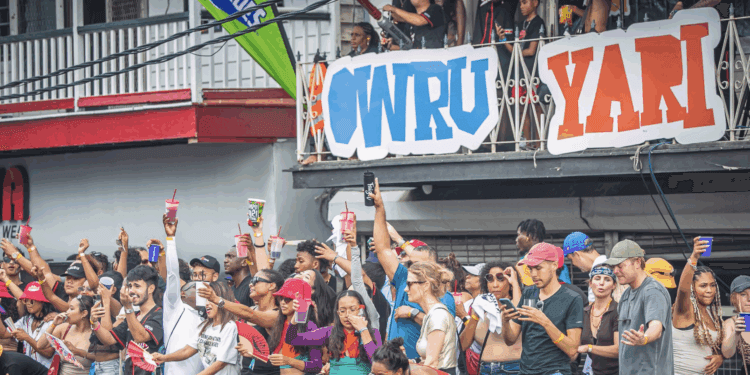
Short wet season: December to January Rainfall picks up again, around 150 to 200mm per month. Paramaribo is lively. Owru Yari (New Year's Eve) is one of the best nights of the year to be in the city. The rainforest is deep green and full. Interior travel gets more complicated as the rains arrive, but the coastal districts remain easy to get around.
Best time by what you want to do
Hiking and interior travel
Go: August to November or February to April
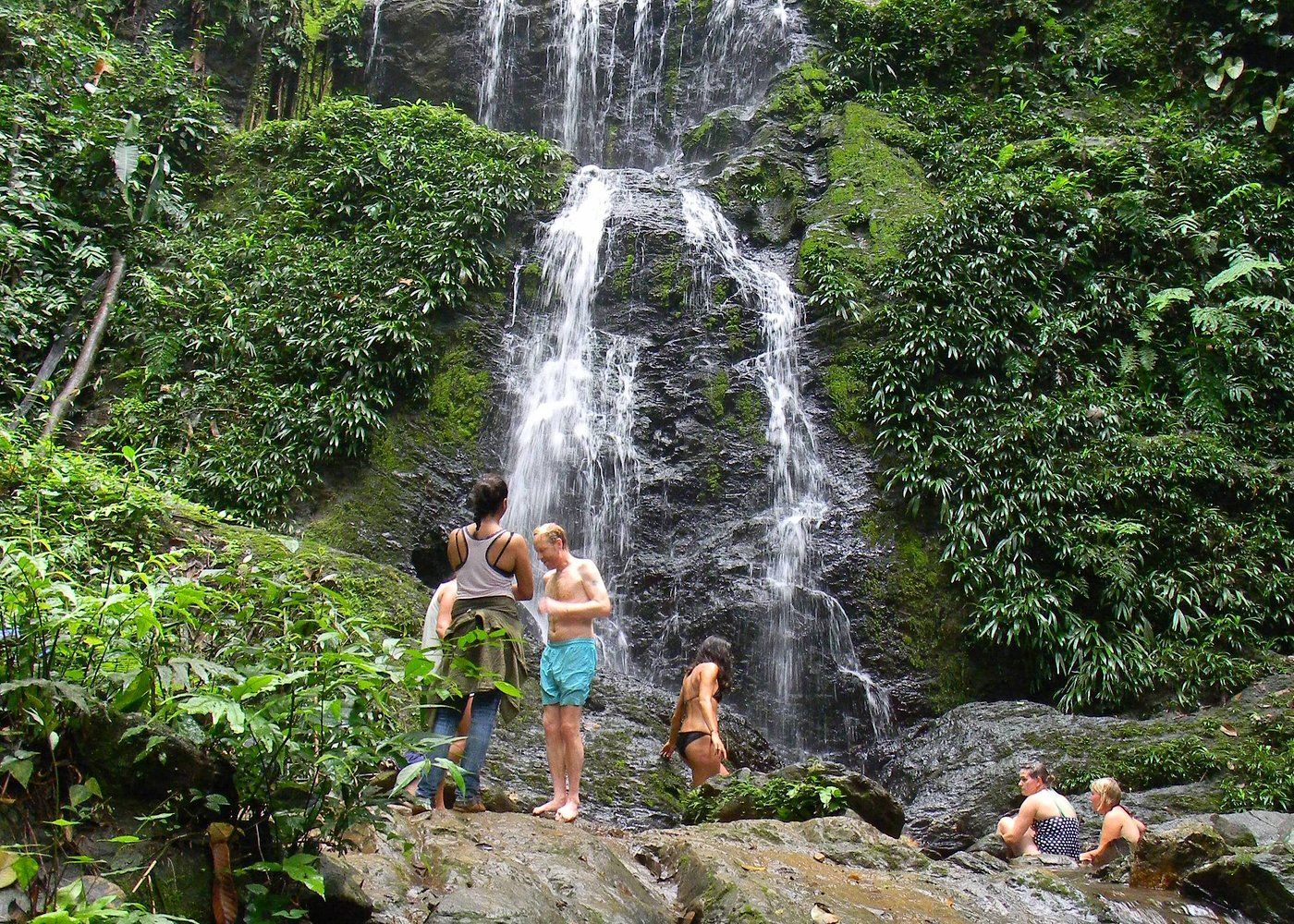
Photo: viator.com
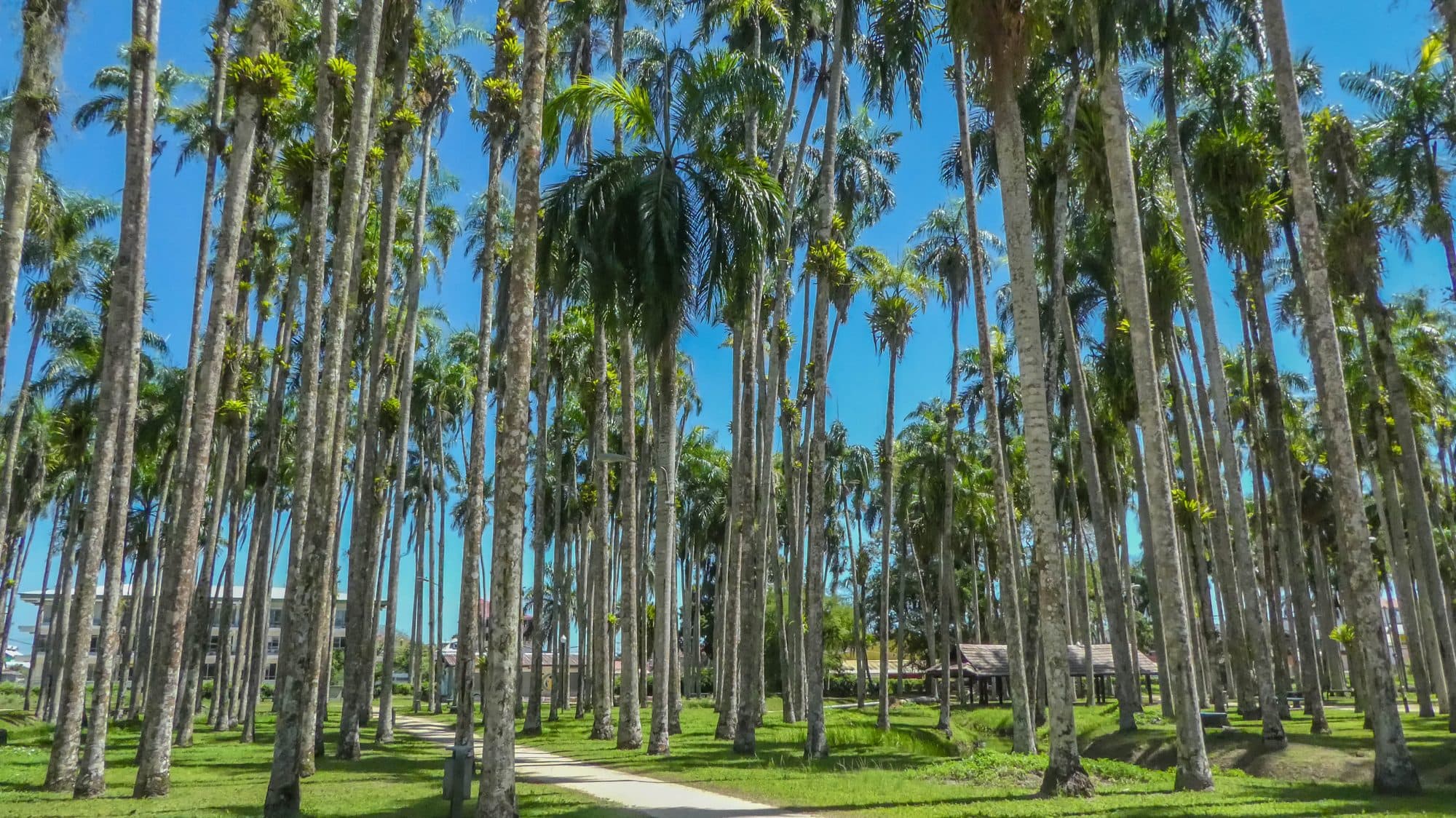
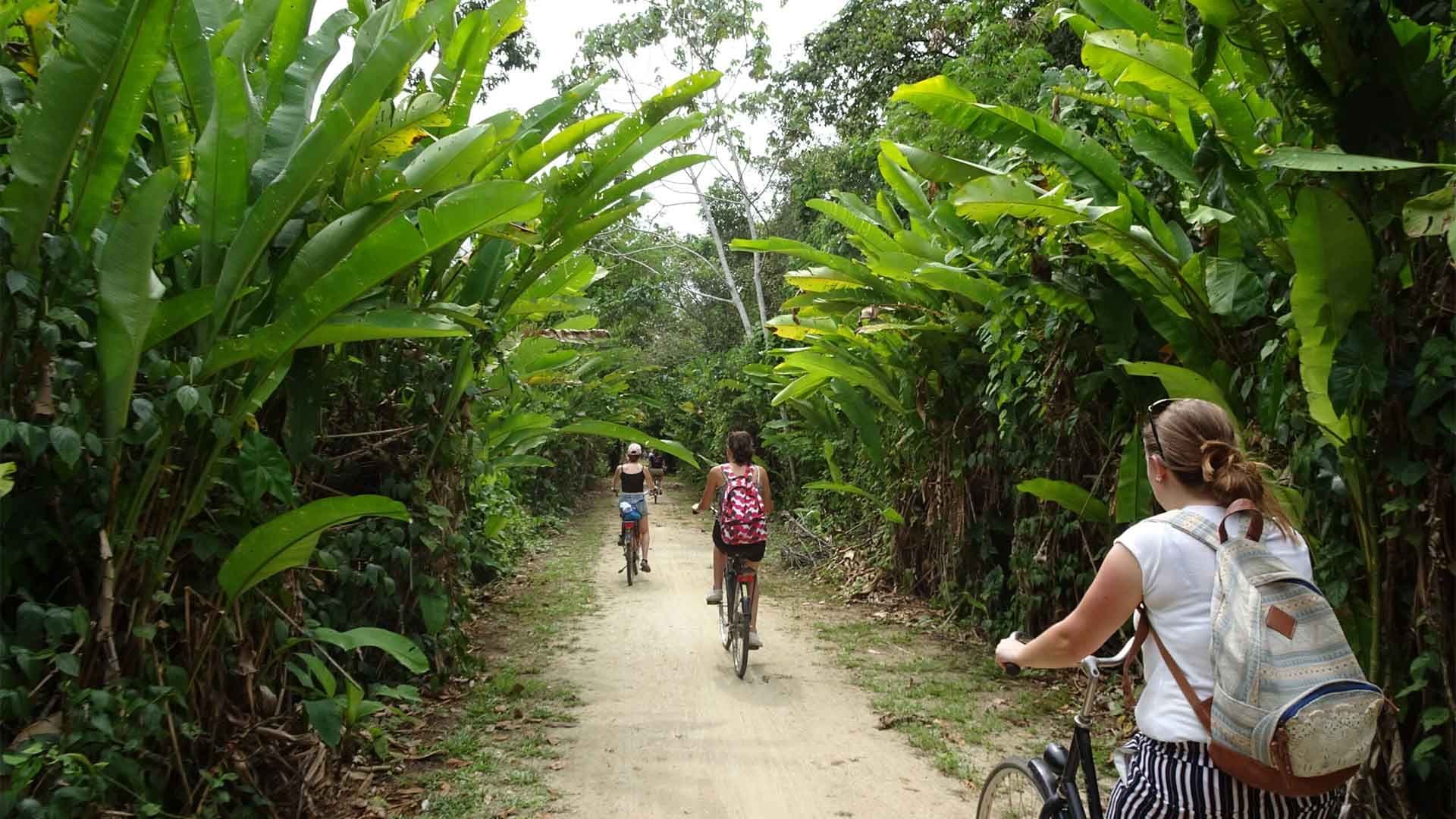
The long dry season is the sweet spot. Trails are drier, river crossings are easier, and you have the best chance of seeing wildlife on the trail. Brownsberg, Fredberg, and the Central Suriname Nature Reserve are all better in dry conditions.
The short dry season (February to April) is a good alternative if you want slightly fewer people and more manageable heat.
Avoid planning interior treks for the heart of the long wet season, May to July. It's not impossible, but muddy trails, flooded roads, and higher mosquito counts make it harder work.
Turtle watching at Galibi
Go: January to August
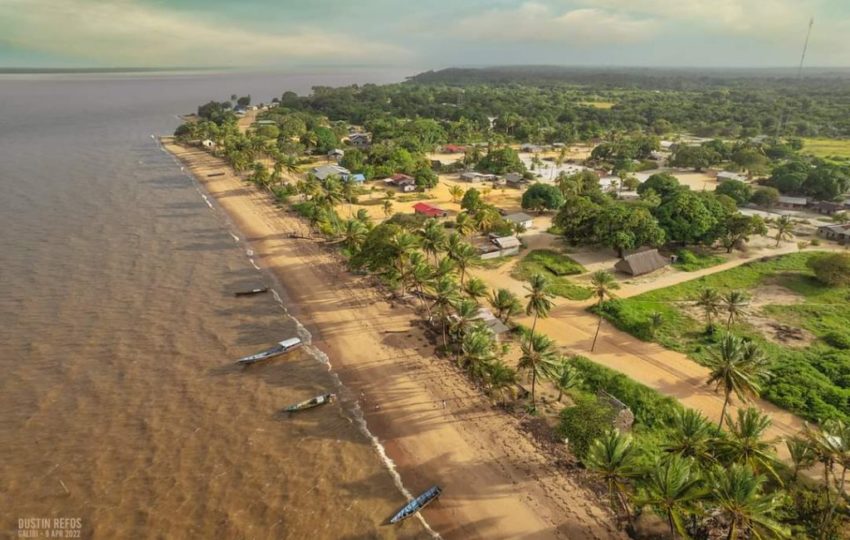
Photo: impressivesuriname.com
Four species nest here: leatherback, green, hawksbill, and olive ridley turtles, though the peak shifts by a few weeks per species, which is why the window runs so long. Visiting on a moonless night gives you the best chance of witnessing a nesting without light interference.
Galibi sits in Marowijne district, about 90 minutes by boat from Albina. Plan this well in advance. Most visitors book through a tour operator and stay overnight near the beach.
River trips and waterfall visits
Go: May to August
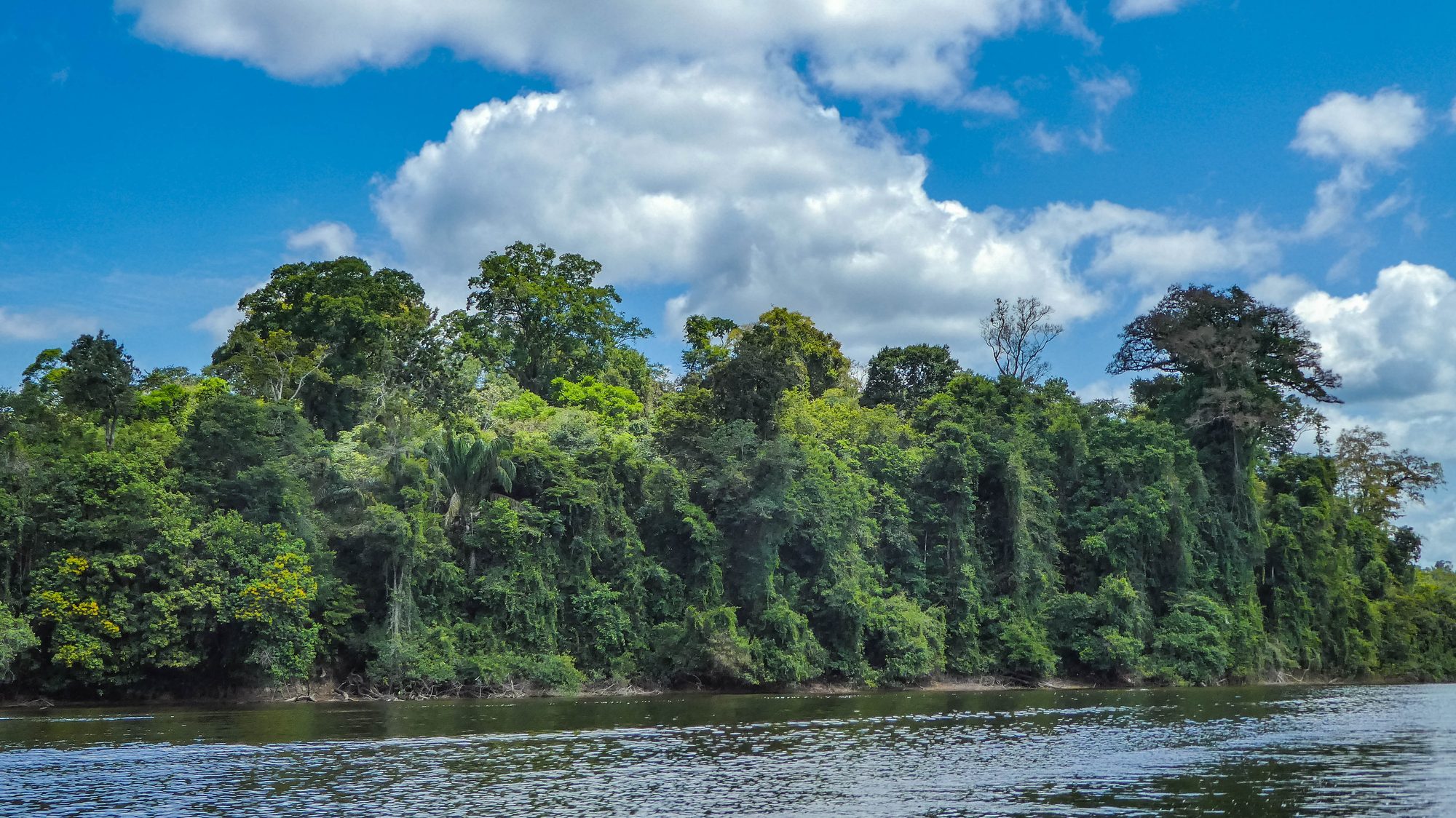
Photo: -JvL- / Wikimedia Commons (CC BY 2.0)
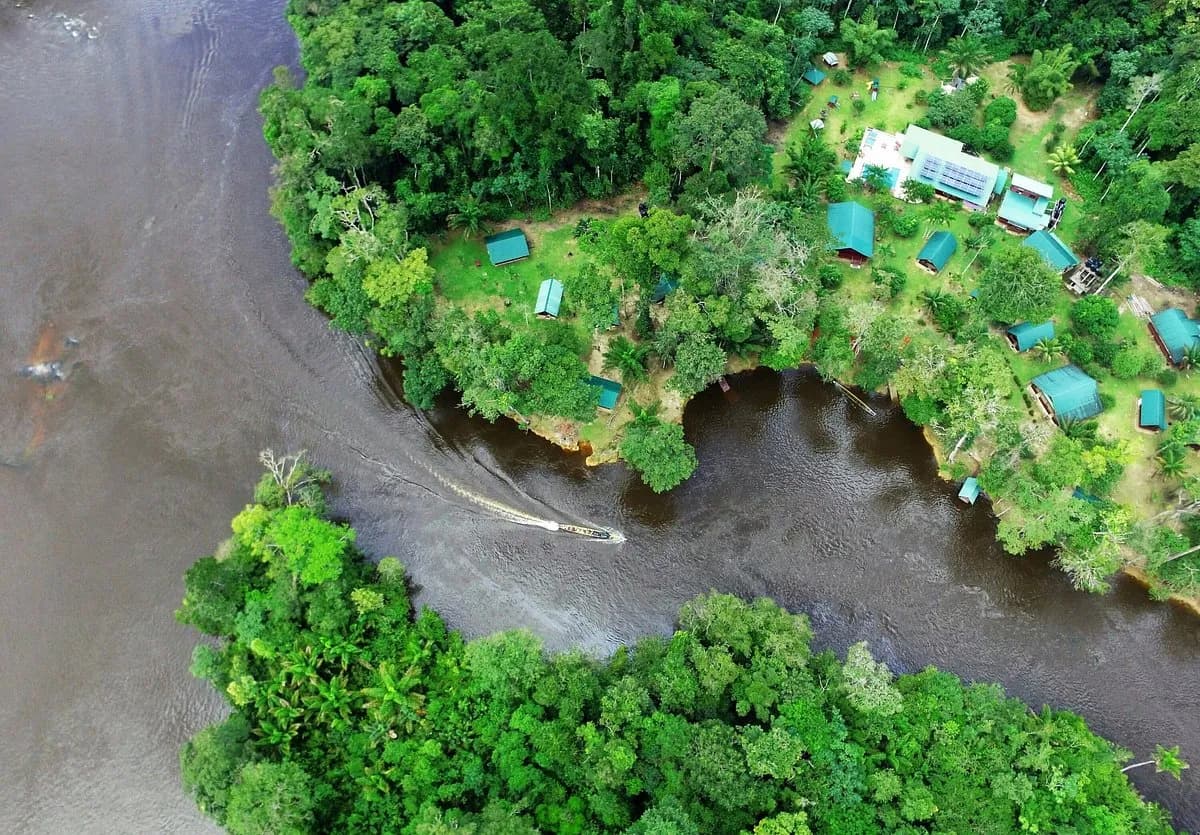
This sounds counterintuitive, but the wet season is actually when rivers are at their best for certain trips. Water levels are high, waterfalls are at full power, and the landscape is at its greenest. If you're heading to lodges on the Upper Suriname River, the wet season gives you faster, more spectacular river journeys.
The catch: if water is too high, rapids become dangerous and some routes close. Local operators will know the conditions. Always check before booking interior river trips.
In the long dry season, rivers drop considerably. Some stretches near interior lodges require passengers to get out and haul boats over shallow rapids by hand. It's an experience, but it adds hours to journeys.
Festivals and culture
The calendar runs all year
Suriname's cultural calendar is one of the reasons the wet season is underrated. The country's biggest celebrations fall in the first half of the year and around the New Year.
Holi Phagwa (late February or early March) is the Hindu festival of colors. The whole country joins in regardless of background. Paramaribo's Independence Square fills with people, color powder, and music. In 2026 it falls on March 3.
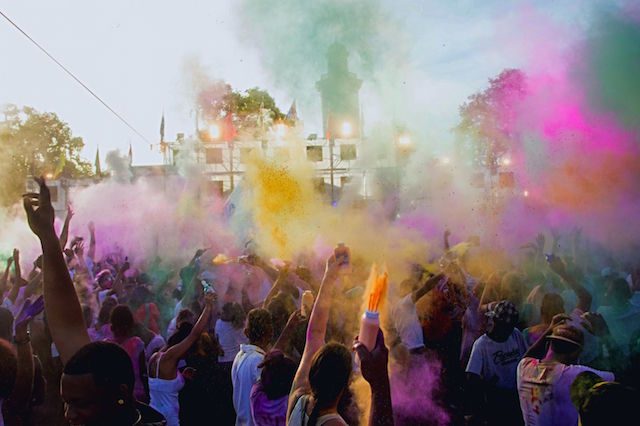
Photo: waterkant.net
Keti Koti (July 1) commemorates the abolition of slavery in 1863. The name means "the chains are cut" in Sranan Tongo. Paramaribo fills with traditional koto dress, drumming, and processions to Fort Zeelandia. This is one of the most emotionally significant days in the Surinamese calendar and worth planning a trip around.
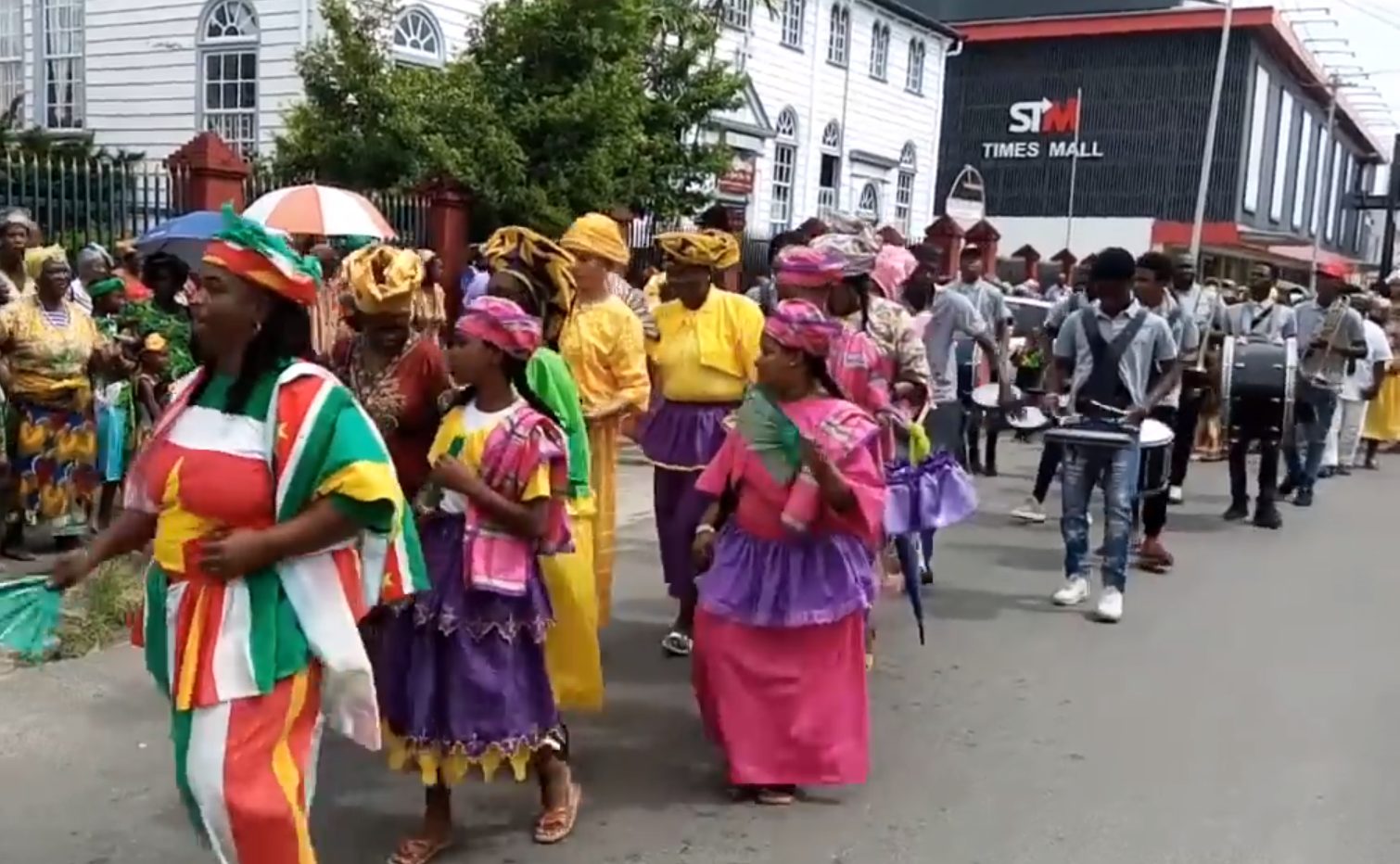
Photo: StarNieuws / Wikimedia Commons (CC BY 3.0)
Independence Day (November 25) marks Suriname's independence from the Netherlands in 1975. Parades, performances, and a city-wide celebration. Falls in the dry season, which makes it easy to combine with a broader trip.
Owru Yari (December 31) is New Year's Eve in Suriname. The centerpiece is the pagara: strings of red Chinese firecrackers, some hundreds of metres long, lit in relay through the shopping streets in clouds of smoke and red paper. Street vendors, music from every direction, families out until dawn. If you're in Paramaribo on this night, nothing else competes.
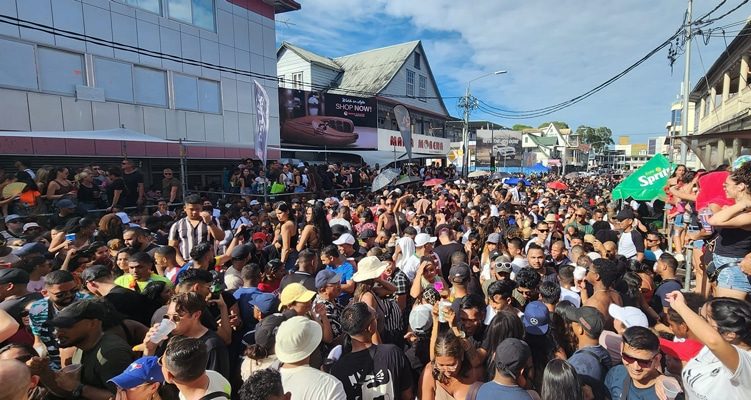
Photo: De West
See cultural experiences in Suriname for more on what each festival looks like on the ground.
The wet season is not what you think
The wet season gets a bad reputation. Here's the reality.
Rain here comes in short bursts, usually in the afternoon. A typical wet season day starts sunny, clouds build by early afternoon, drops a heavy shower for 30 to 60 minutes, and clears again. You're not stuck indoors. You're slightly wet for an hour.
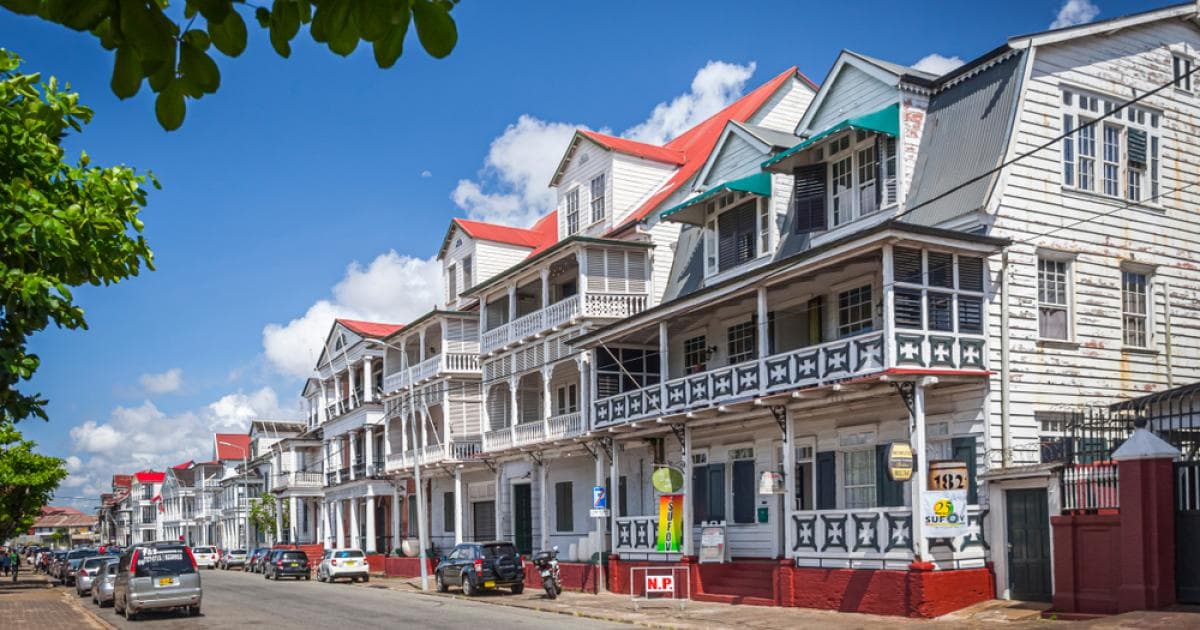
Paramaribo is fully functional in the wet season. Most of the city's attractions, restaurants, and cultural sites are unaffected by rain. The Commewijne plantations, a day trip across the river from the capital, are equally accessible. The coast is fine.
What actually changes in the wet season: interior jungle trails get harder, some dirt roads flood, mosquitoes are more active, and a few remote lodges reduce their schedules or close temporarily.
If your trip is mostly Paramaribo, Commewijne, and the coast, the wet season is a perfectly good time to visit. Hotel prices are lower and the city has energy.
Month-by-month quick reference
| Month | Season | Conditions | Best for |
|---|---|---|---|
| January | Short wet | Warm, regular rain | Paramaribo, Owru Yari aftermath, Galibi turtles begin |
| February | Short dry begins | Improving, pleasant | Hiking, Holi Phagwa prep, Galibi |
| March | Short dry | Dry, warm | Holi Phagwa, Galibi |
| April | Short dry | Dry, hot afternoons | Galibi, interior trips |
| May | Long wet begins | Wettest month | Waterfalls, river trips, Galibi |
| June | Long wet | Heavy rain | Galibi, river lodges |
| July | Long wet | Rain, lush | Keti Koti (July 1), Galibi |
| August | Long dry begins | Improving, warm | Wildlife, hiking, Maroon Day, Galibi turtles end |
| September | Long dry | Driest, warmest | Best overall conditions |
| October | Long dry | Hot, dry | Best overall conditions |
| November | Long dry | Dry, warm | Independence Day (Nov 25) |
| December | Short wet begins | Rain returns | Owru Yari (Dec 31) |
Practical notes before you book
Book interior lodges early. During the long dry season (August to November), lodges at Brownsberg, Fredberg, Galibi, and along the Upper Suriname River fill weeks or months ahead. Some popular spots have fixed departure days and minimum group requirements.
Prices rise in peak season, and around New Year. Accommodation costs climb during the long dry season (August to November), when lodges and hotels fill up for wildlife and hiking trips. Late December is its own separate peak: Owru Yari draws enough demand that hotel rates in Paramaribo can spike around New Year's even though it falls in the "short wet" season. The quieter, better-value stretch is the rest of the short wet and short dry periods, January through April outside of Holi Phagwa.
Temperature barely changes. If you're coming from a temperate climate, don't overthink the month. It's warm and humid all year. Pack light, breathable clothing for every season.
Check the weather page. Suriname's seasons shift slightly year to year. The weather page has current conditions in Paramaribo and links to the latest forecasts.
For everything you need before you land, the before you go guide covers entry requirements, vaccinations, and what to pack.