From the festivals of Paramaribo to the woodcarving of the Maroon villages, Suriname is full of living traditions.
The premise
In March, Paramaribo turns pink and orange for an afternoon as Holi Phagwa spills out of the Hindustani temples and onto the street, and nobody, tourist included, is safe from a handful of colored powder. Suriname has more public holidays for different cultures than almost any other country. There are holidays for the Hindustani, Javanese, Chinese, Indigenous, and Creole people, and because everyone gets the day off, the whole country joins in, whether or not it's their holiday, right down to thousands of people eating together in the street for Eid.
Music is also a big part of life here. You will hear long drums in the Maroon villages and brass bands playing Kaseko music in the city. Kaseko is a special kind of rhythm that started in Paramaribo. It mixes many different styles like jazz and calypso. You can hear it at almost every party or big festival.
One of the most interesting things is the art made by Maroon communities in the jungle. They are famous for their woodcarving and colorful textile patterns. Each pattern has a special meaning. If you visit a village on the Suriname river, you can see the artists working and buy something directly from them.
What to do
Each experience is unique to Suriname. You won't find these anywhere else in the same way.
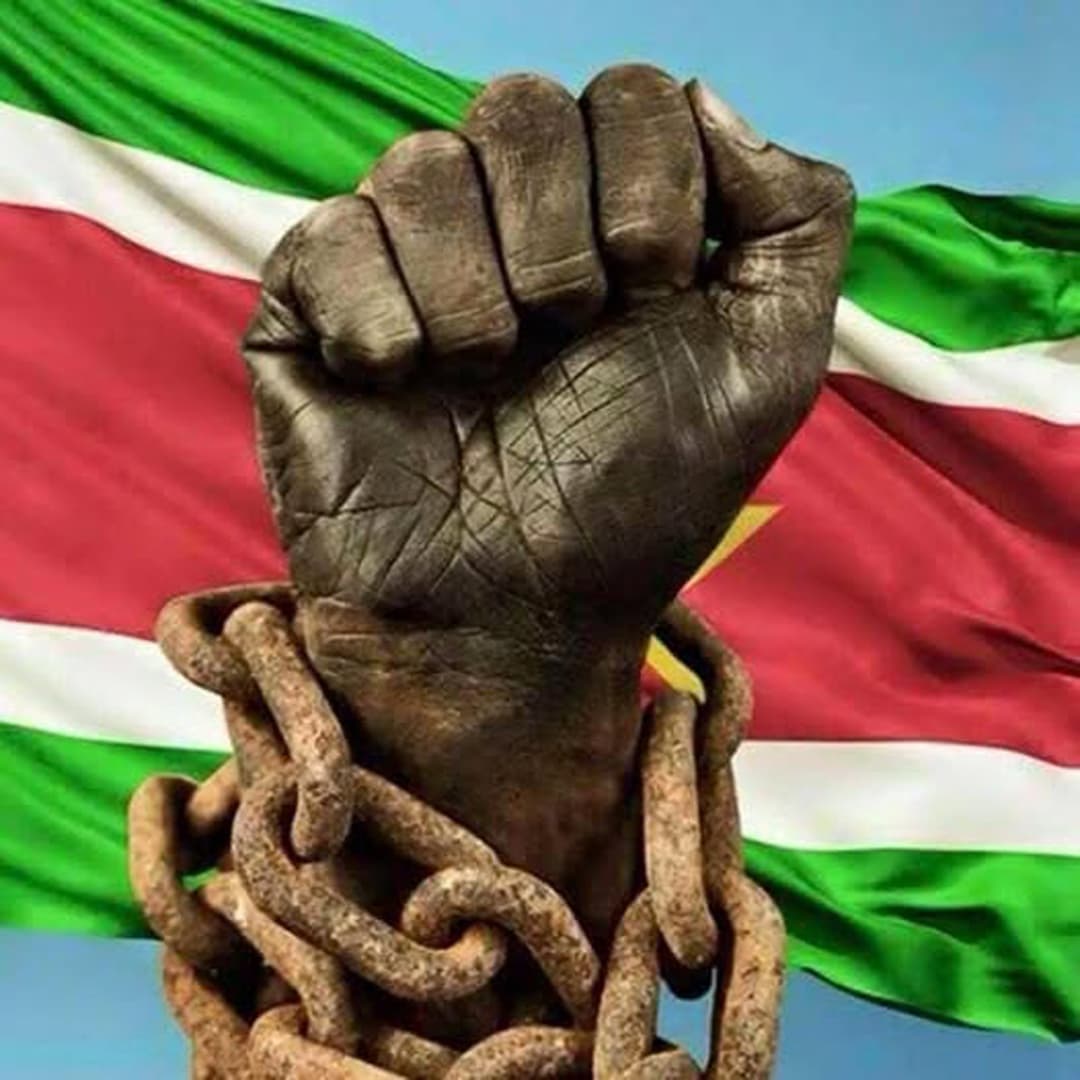
This is the day the country celebrates the end of slavery (July 1). There are big parades, street music, and traditional clothing everywhere in the city.
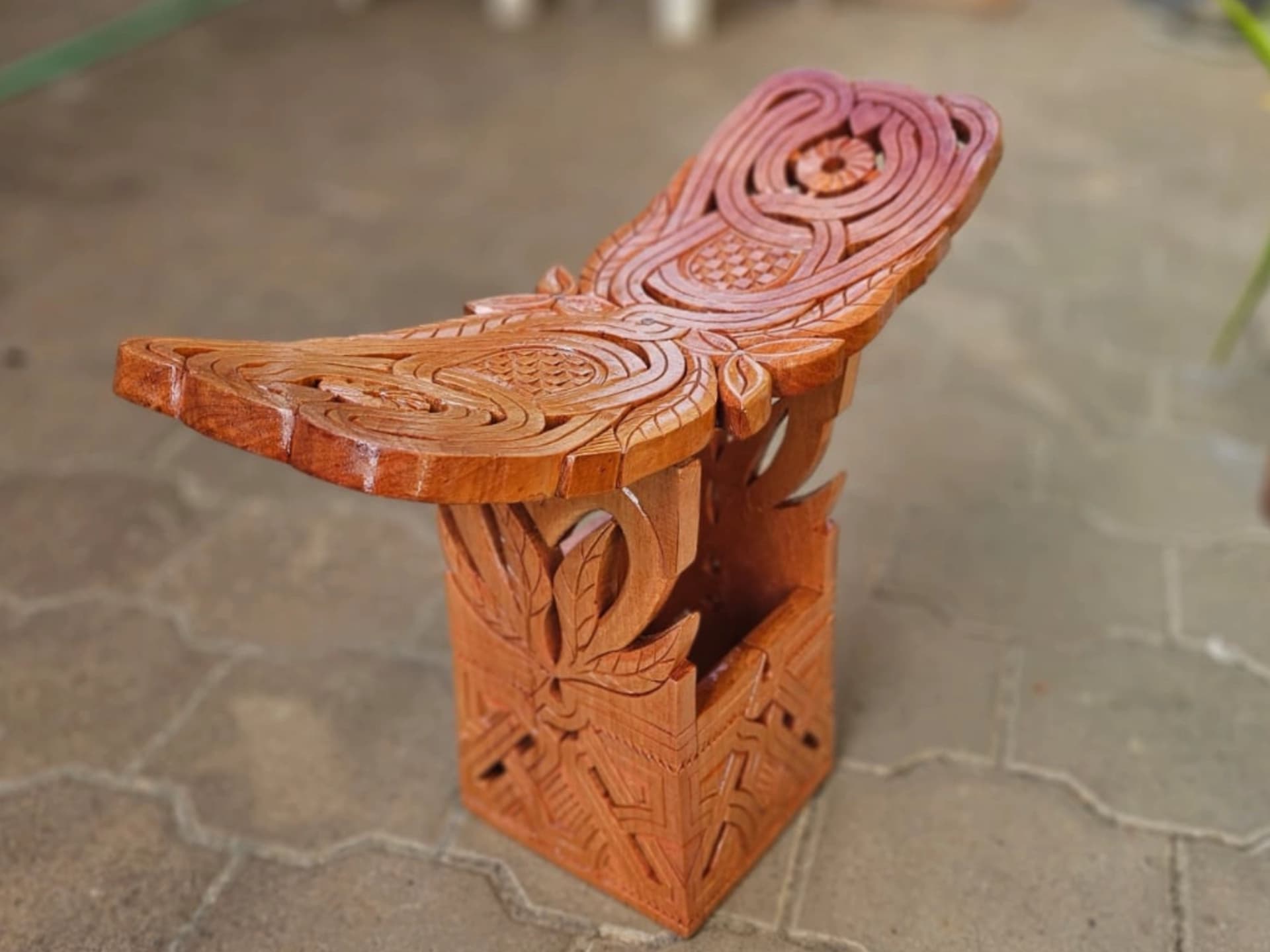
Learn how Maroon artists carve patterns into wood that are specific to a family or village. You can find these in the city museums or buy them in the villages up the river.
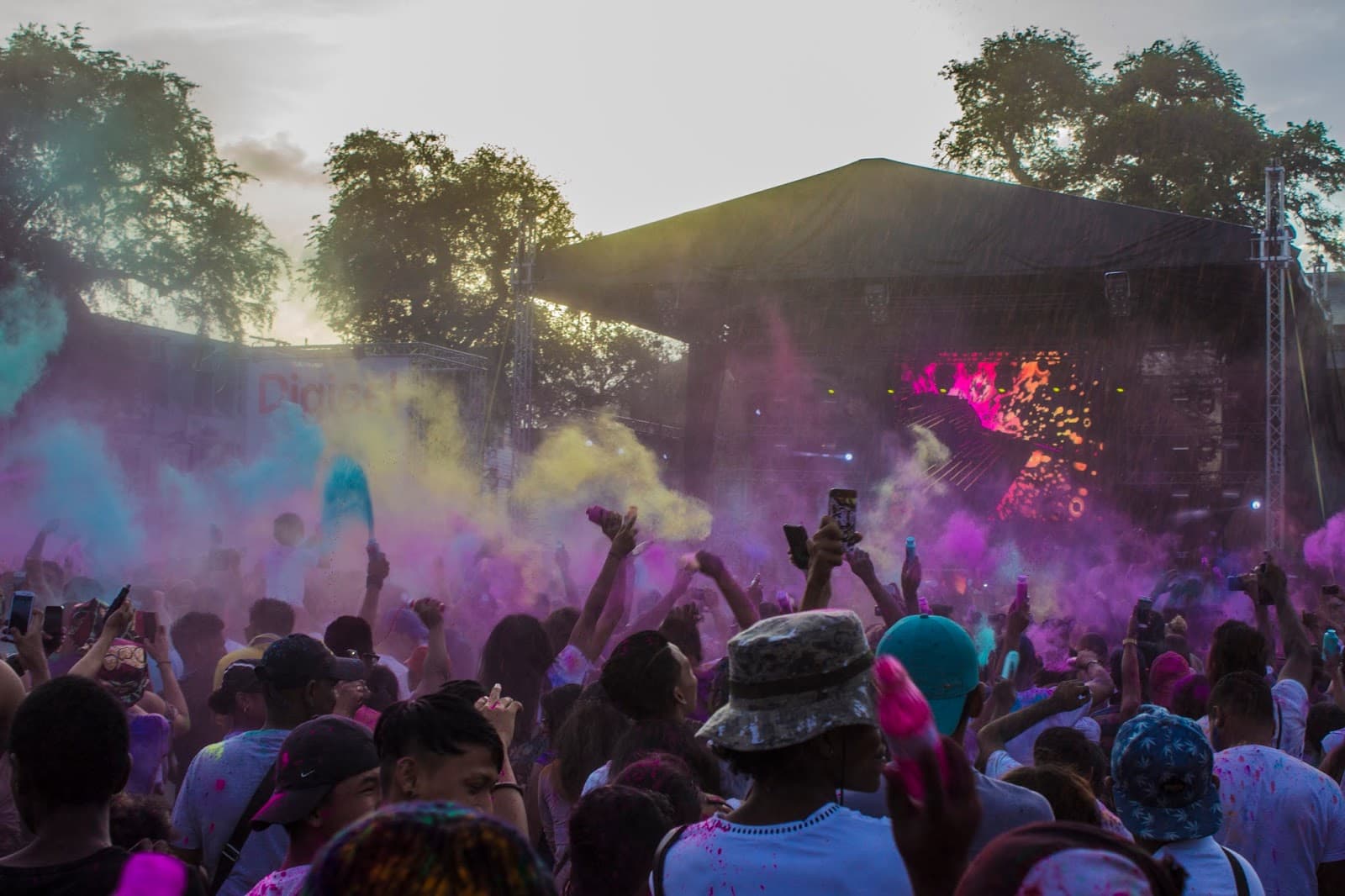
A giant festival where everyone throws colored powder at each other. It takes place in March and is one of the most fun days of the year.
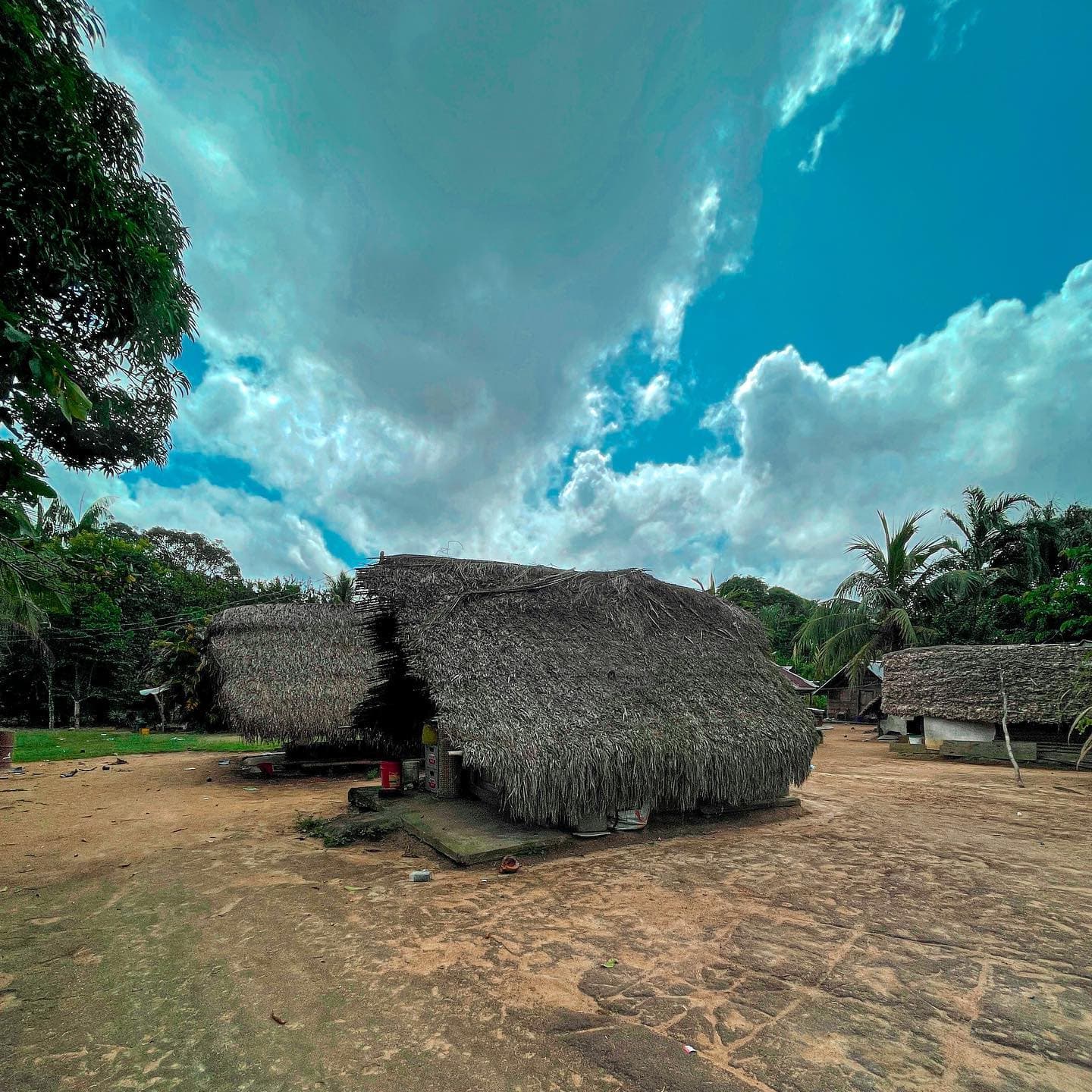
Some villages in the far south can only be reached by small plane. You can learn how the Indigenous people live and see their traditional crafts.
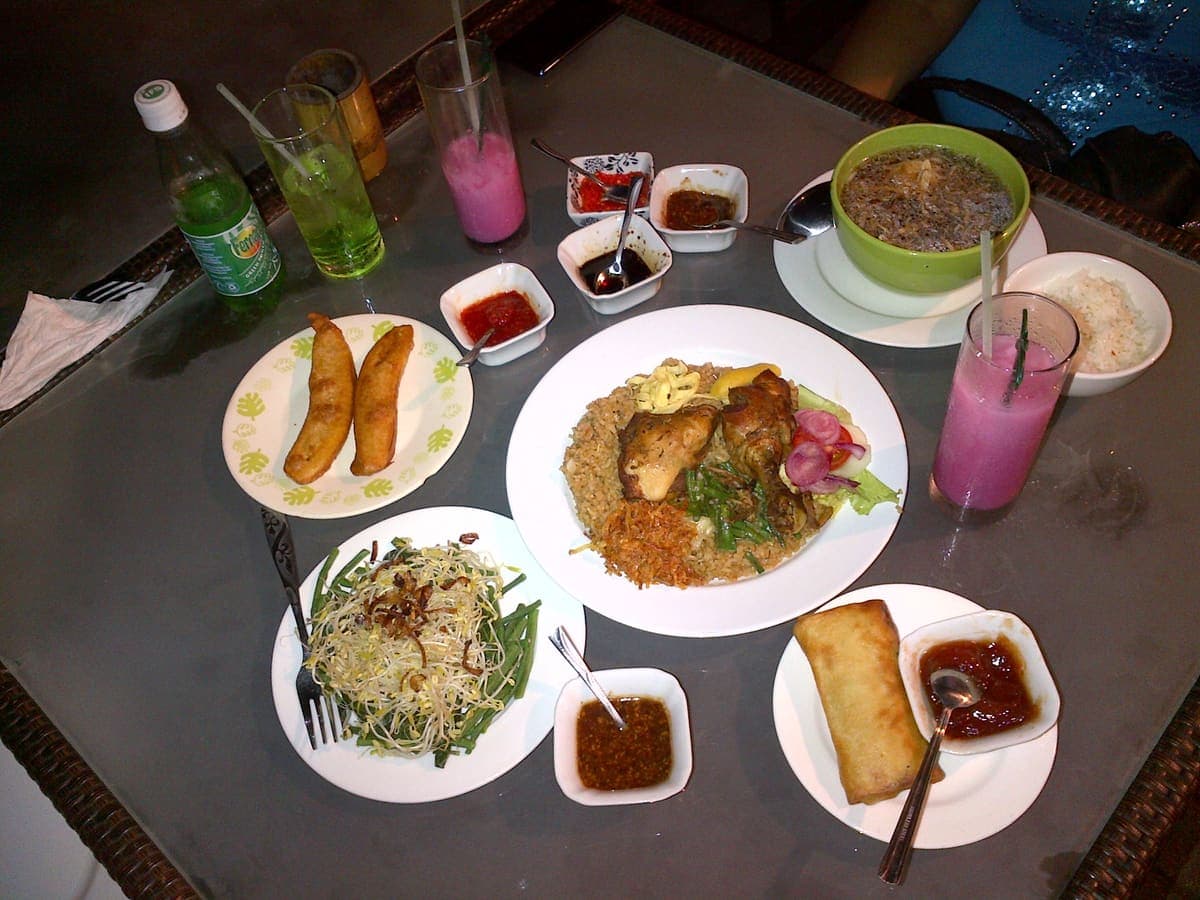
Visit the Blauwgrond area in the city to see the Javanese community. They have their own music, markets, and arrival celebrations in August.
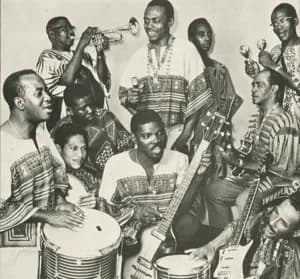
Go to a bar or a local festival on the weekend to hear live brass bands. It is loud, fast, and very energetic music.
The calendar
Try to plan your trip around one of these dates if you want to see the country at its busiest.
Huge fireworks and street parties in the center of Paramaribo.
The color festival. The date changes every year based on the moon.
Celebrating the arrival of the first Indian workers in 1873.
Freedom Day. This is the biggest cultural event in Suriname.
Celebrating the arrival of workers from Java in 1890.
The end of Ramadan. A big day of food and prayer for the city's Muslims.
The festival of lights. People put candles and small lamps in their windows.
Parades and ceremonies celebrating the day Suriname became a country.
Practical tips
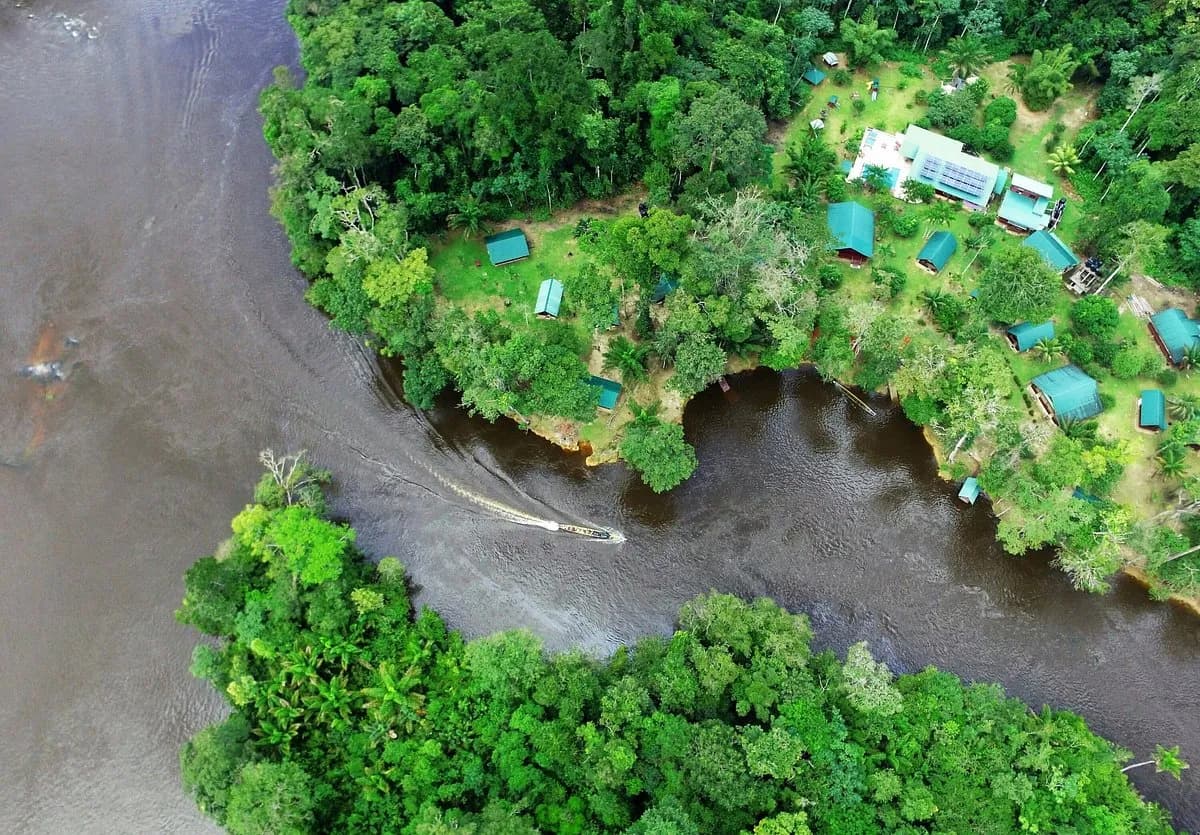
Discover the Suriname Most Travelers Never See
Secret spots, local tips, and 2026 itineraries.