Introduction to Commewijne
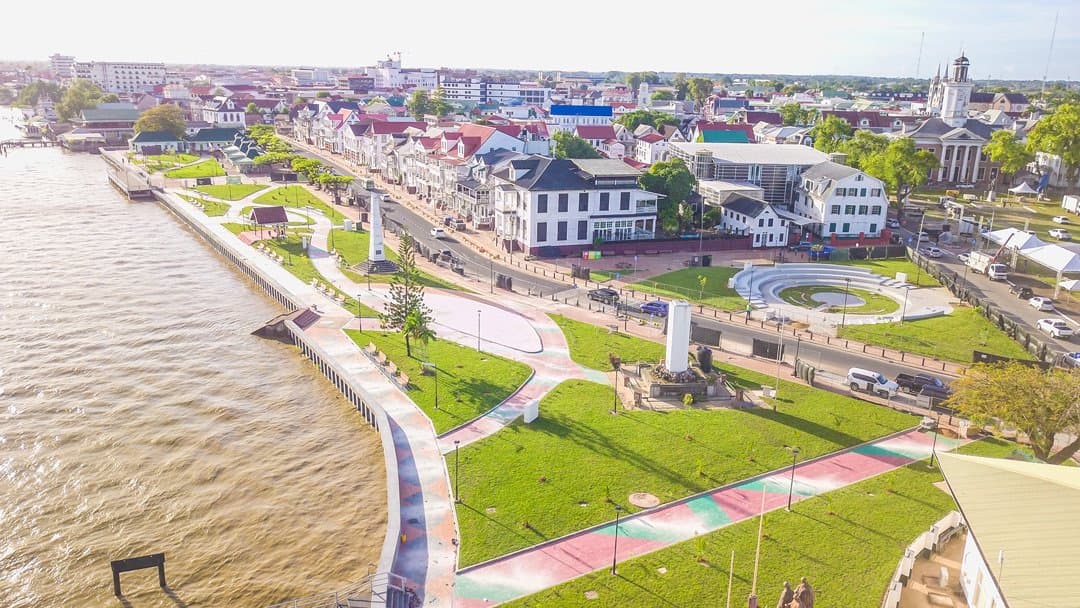
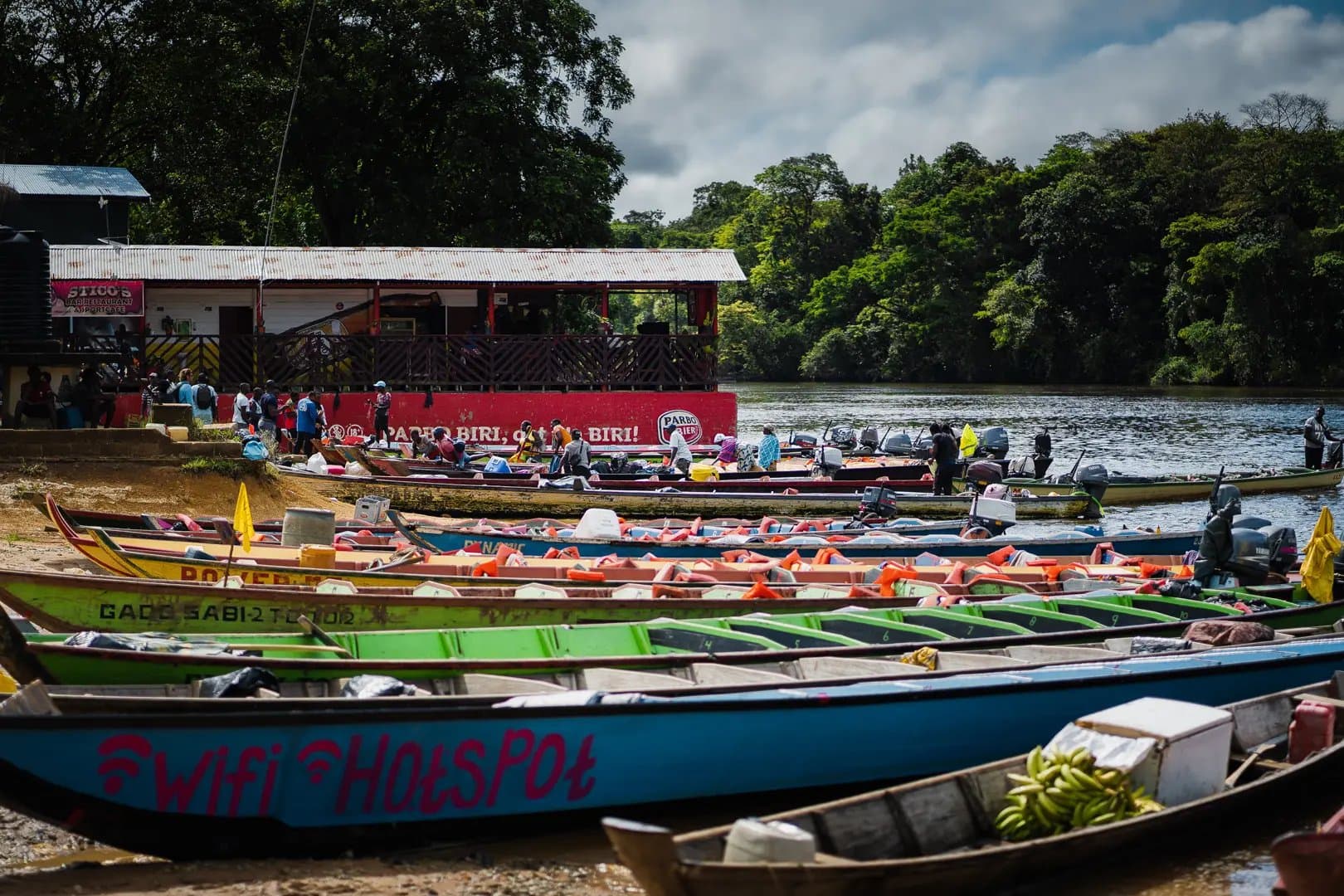
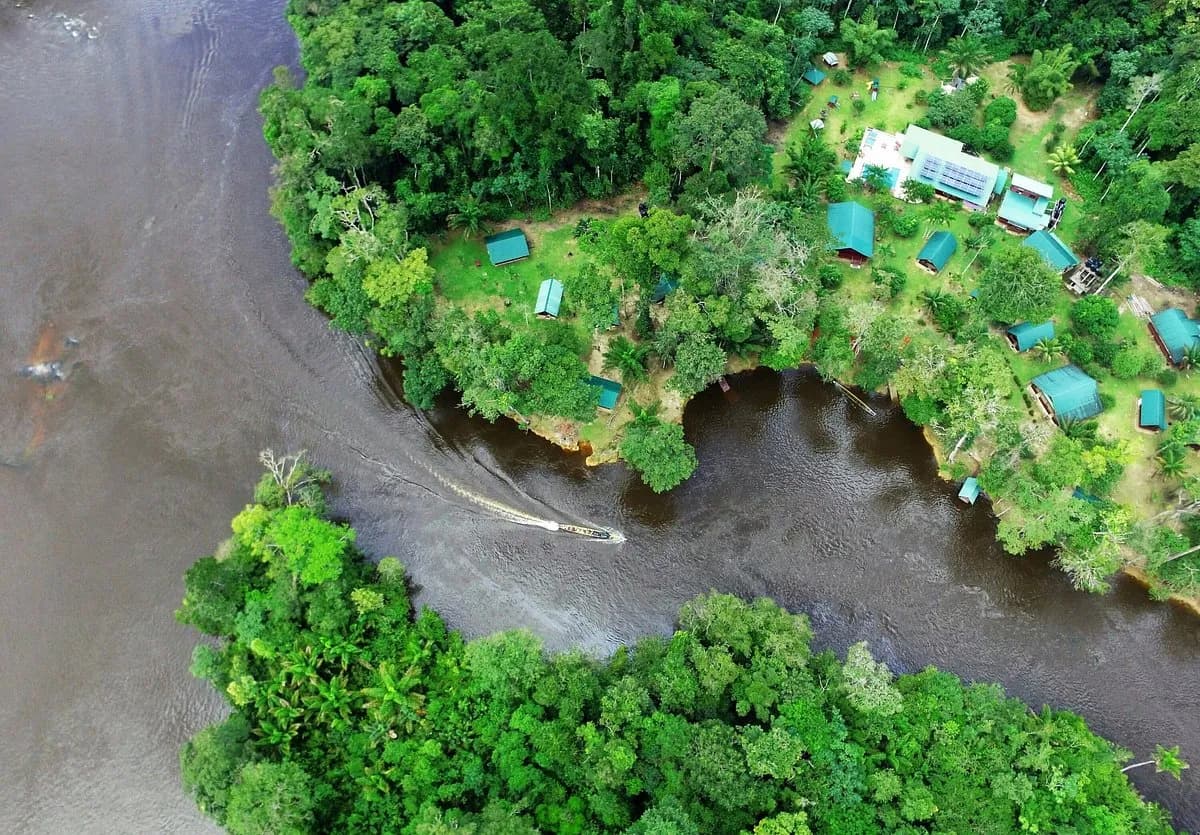
Commewijne is one of the most visited districts in Suriname and lies just across the Suriname River from Paramaribo. Because of its close distance to the capital, the district is a popular destination for day trips and short excursions. Visitors can reach Commewijne within minutes, yet the area feels very different from the city.
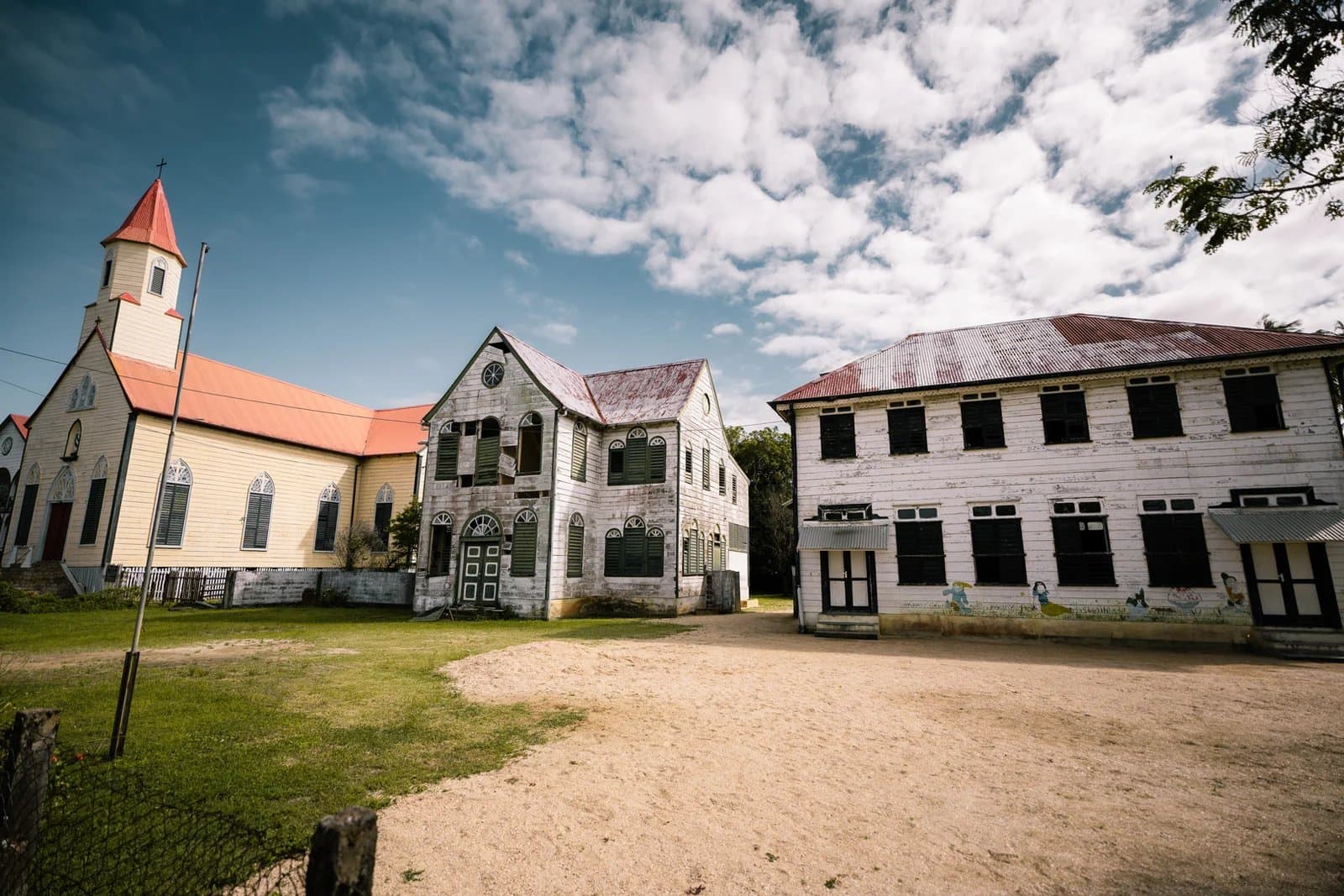
The district is known for its historic plantations, river landscapes, and quiet villages. During the colonial period, Commewijne was one of the most important plantation regions in Suriname, producing crops such as sugar, coffee, and cocoa. Many traces of that history can still be seen today in old plantation buildings, canals, and estates scattered across the countryside.
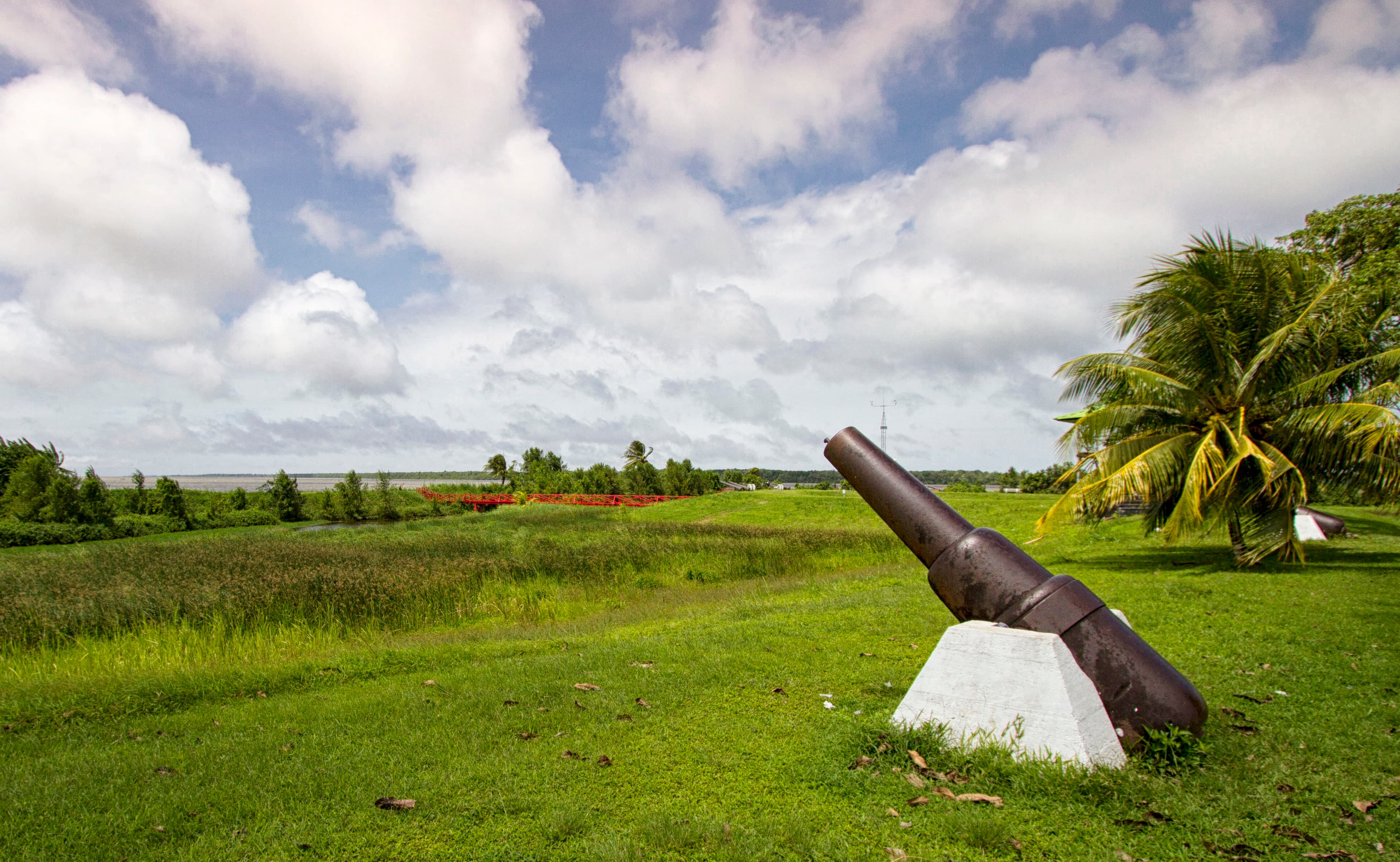
One of the main historical sites in the district is Fort Nieuw Amsterdam, located where the Suriname and Commewijne rivers meet. The fort now functions as an open-air museum where visitors can learn about Suriname’s colonial past while enjoying views of the river.
Nature also plays an important role in Commewijne. Peperpot Nature Park, a former plantation, has been transformed into a protected area with walking and cycling trails. Visitors often come here to see birds, monkeys, and other wildlife while exploring the forest and historic plantation structures.
Boat tours along the rivers are another popular activity in the district. Many excursions include dolphin watching, stops at old plantations, and visits to riverside villages.
For travelers exploring Suriname, Commewijne offers a combination of history, nature, and river culture, all within a short distance of Paramaribo.
Things to Do in Commewijne
Commewijne trades city streets for plantation canals and river light. Most visitors see it as a half-day or full-day trip from Paramaribo, moving between restored estates, a colonial fort, and the water itself.
Walk the Ramparts of Fort Nieuw Amsterdam
Fort Nieuw Amsterdam sits at the exact point where the Commewijne and Suriname Rivers meet, a location the Dutch chose specifically to guard the approach to Paramaribo. The star-shaped fort is now an open-air museum, and you can walk the old ramparts and gun positions while looking out over both rivers. Inside the fort grounds, restored buildings house exhibits on Suriname's colonial and plantation history. It's a short stop rather than a half-day one, which makes it easy to combine with Peperpot or a river tour on the same visit.
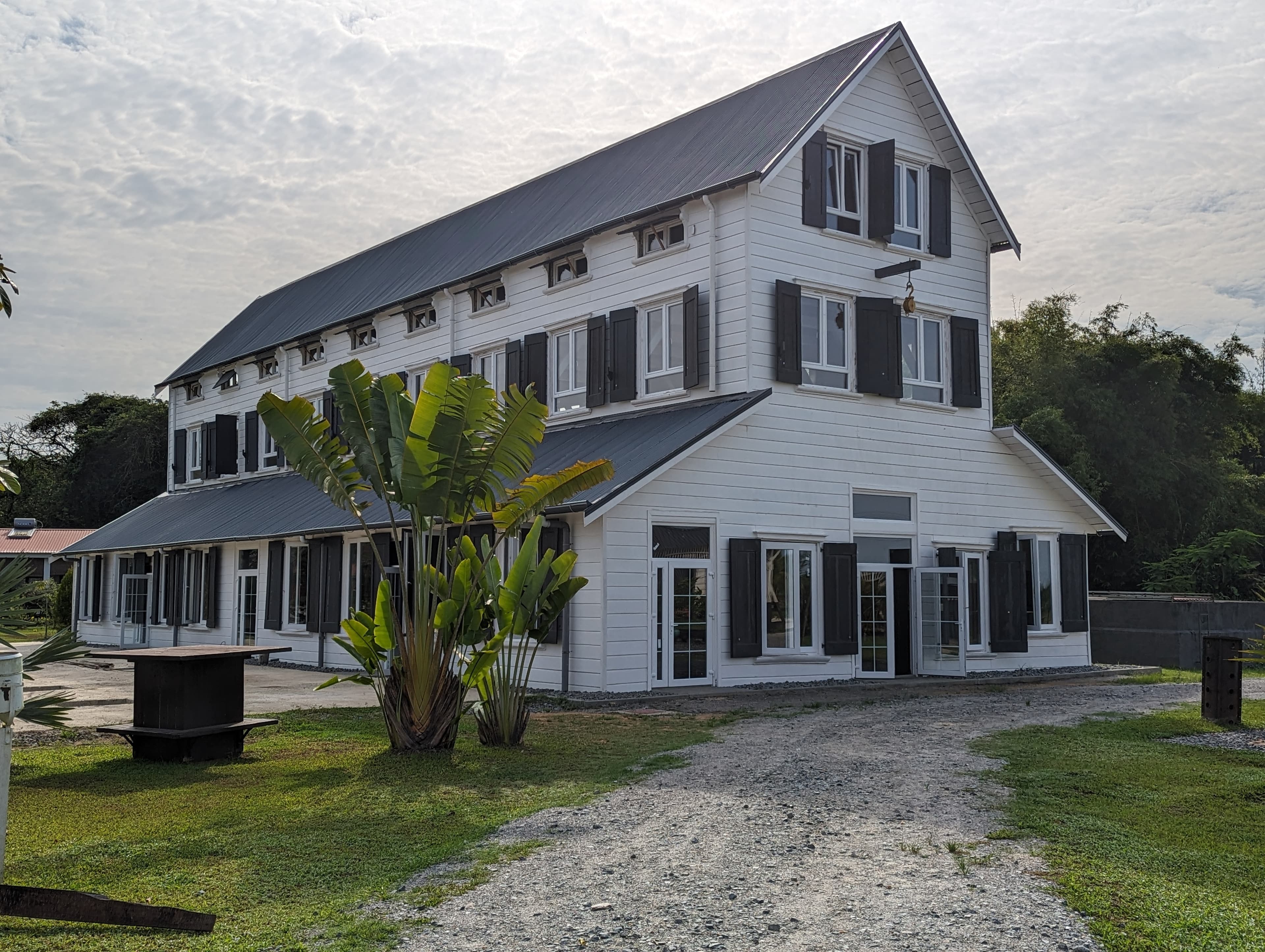
Walk or Cycle Peperpot Nature Park
Peperpot was a working coffee and cocoa plantation before it became a protected nature park, and the old plantation structures are still scattered through the forest alongside the walking and cycling trails. It's one of the easier places in Suriname to see wildlife without a multi-day expedition: birdwatchers regularly report over a hundred species here, and monkeys are a common sighting along the canals. Bring your own bike or rent one locally. The flat, shaded trails make this one of the more relaxed nature outings near Paramaribo.
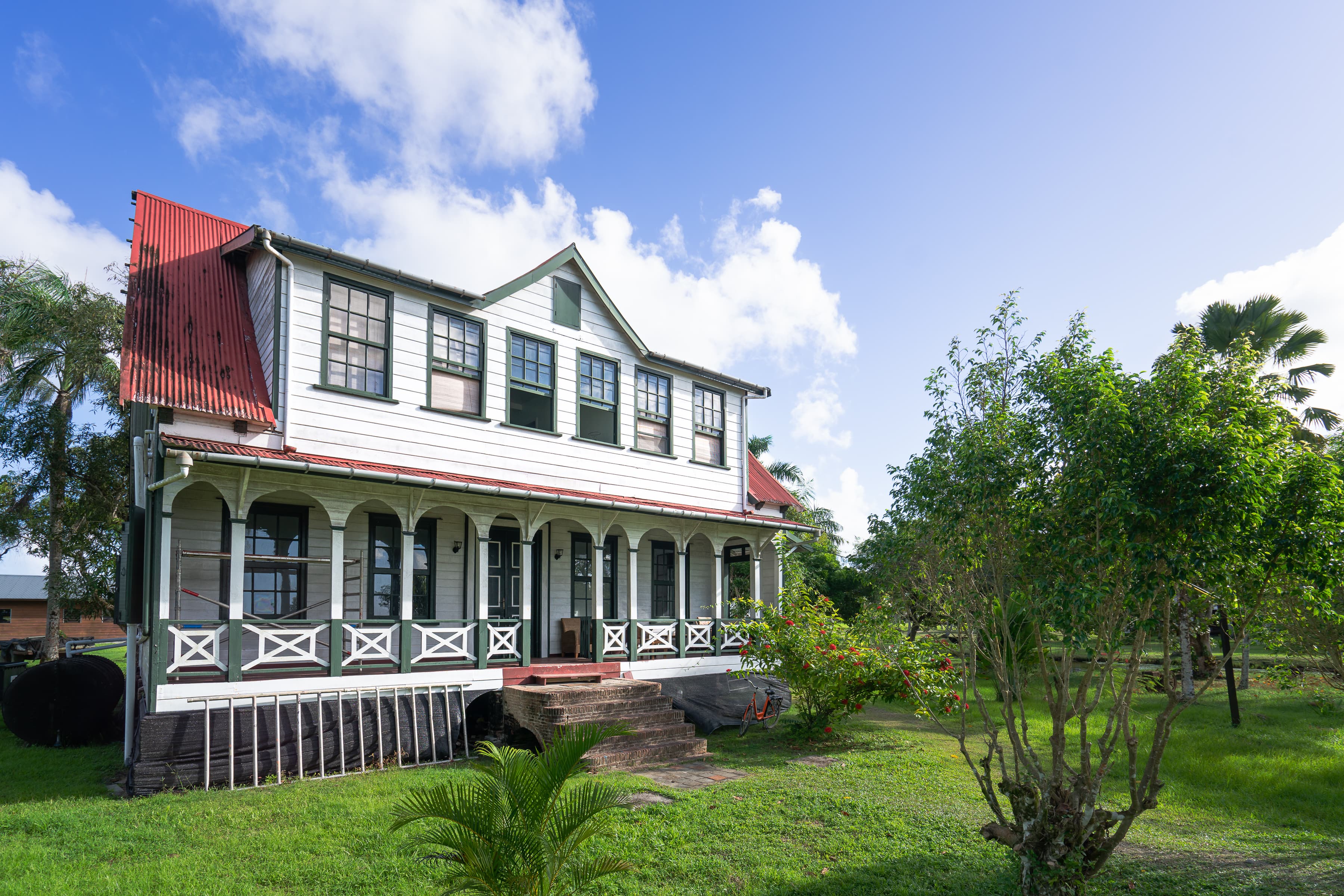
Stay or Lunch at Plantation Frederiksdorp
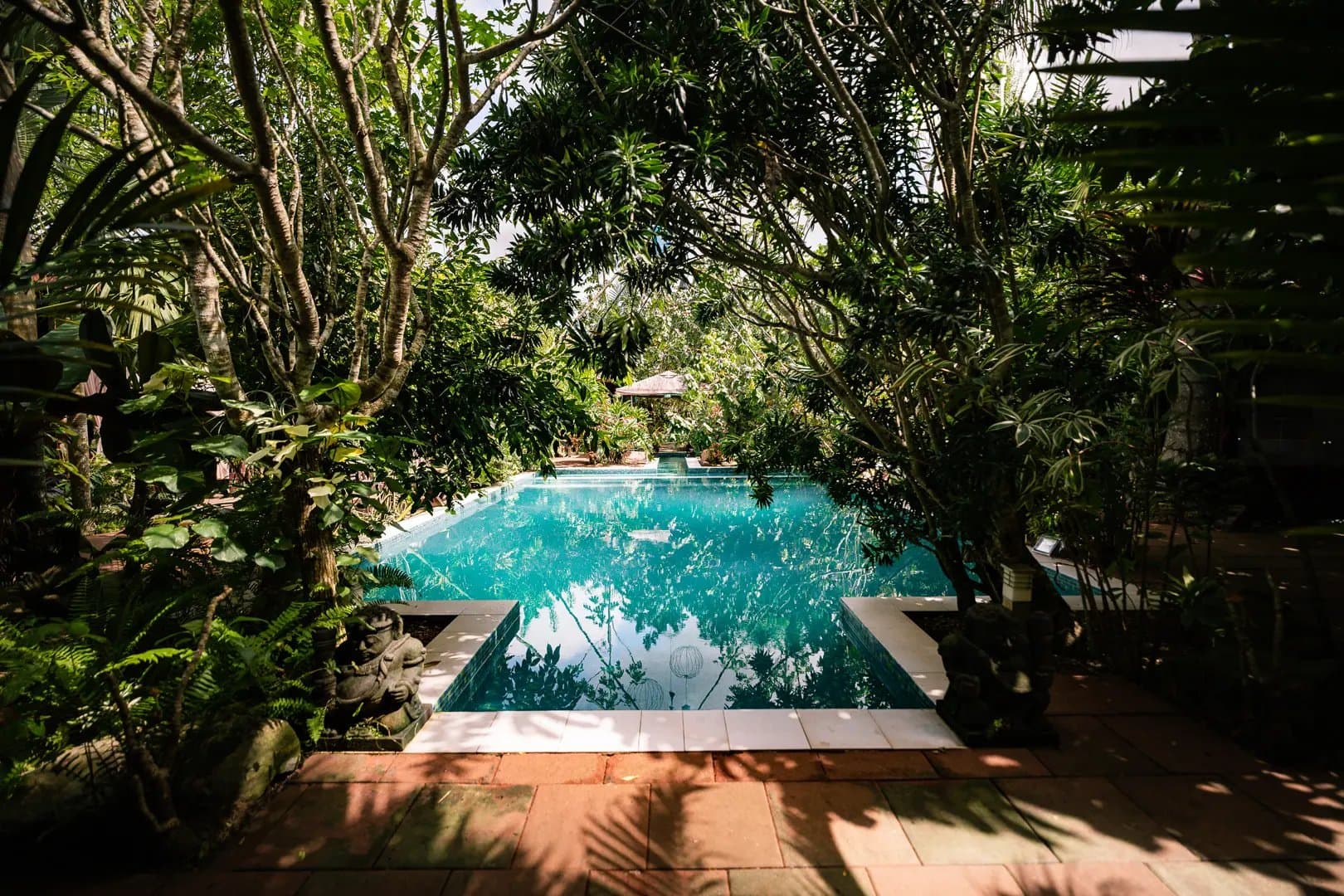
Frederiksdorp is an 18th-century coffee and cocoa plantation that's been restored into a small resort, with the original director's house and doctor's residence still standing among the palms. You don't have to stay overnight to visit; the on-site restaurant serves Surinamese dishes, and guided walks through the grounds cover the plantation's history and its restoration. It's one of the more polished plantation experiences in Commewijne, set against Peperpot's wilder, more overgrown version of the same history.
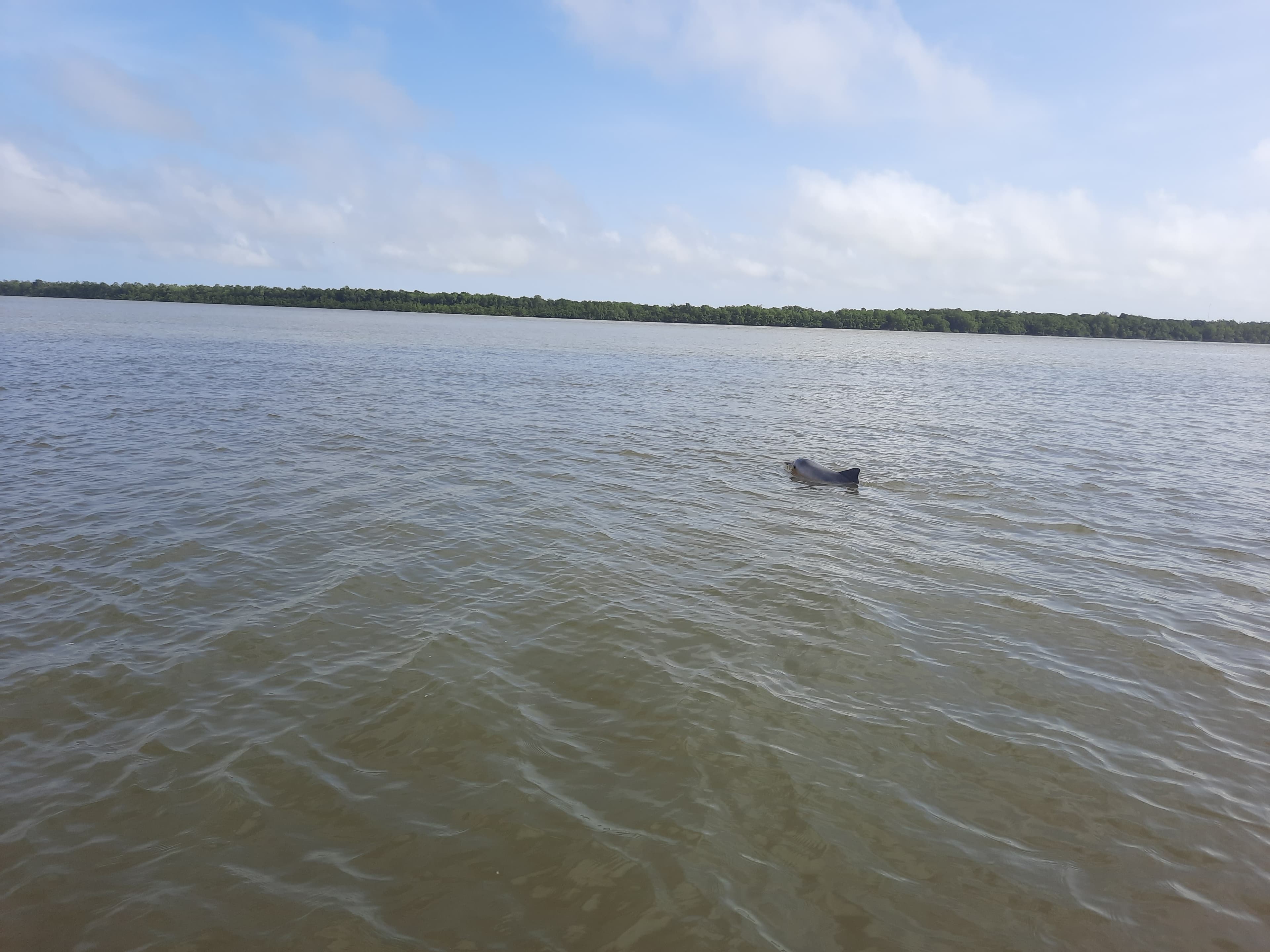
Spot River Dolphins on a Boat Tour
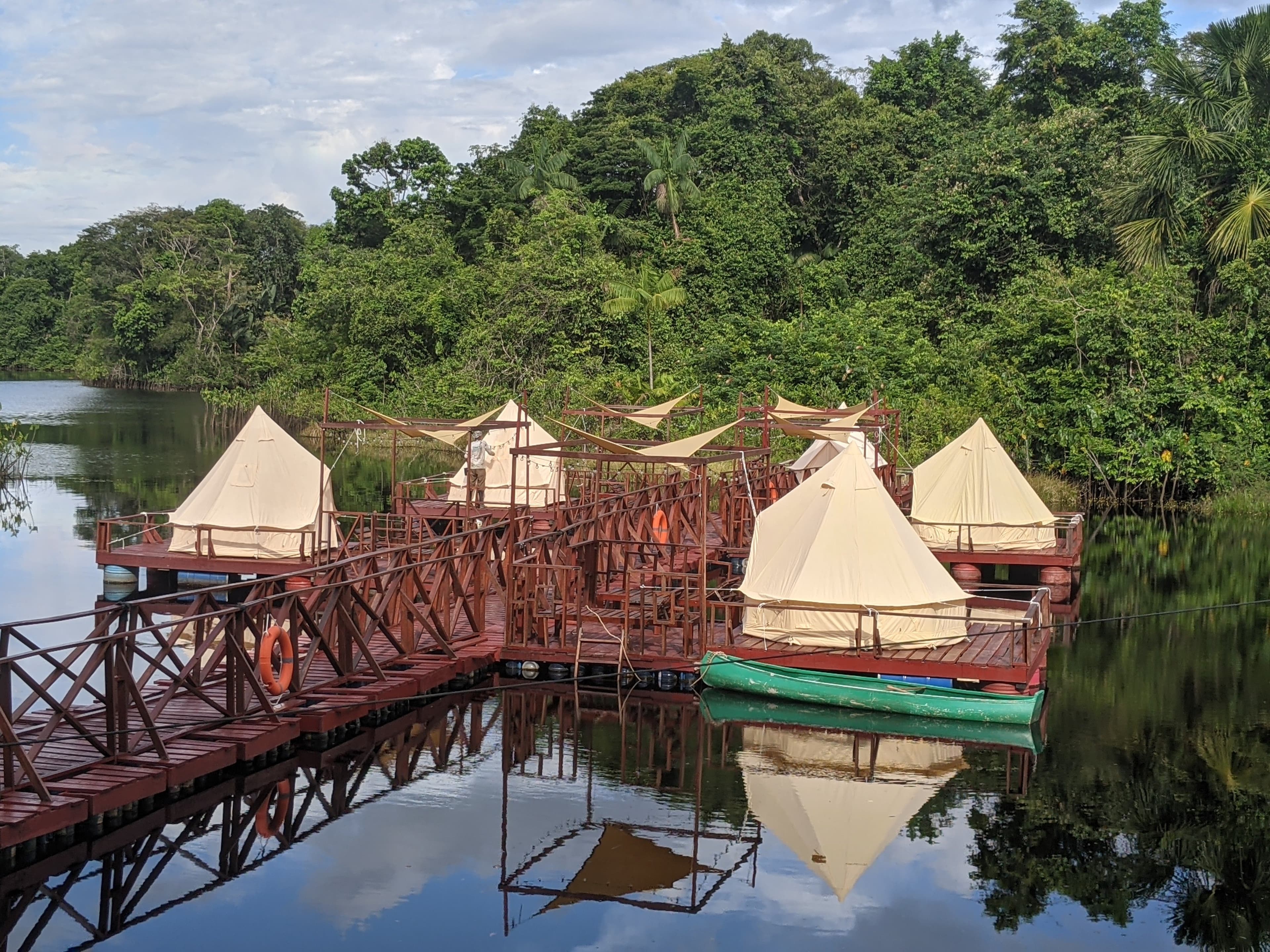
Guiana dolphins are regularly seen where the Commewijne and Suriname Rivers meet, and most boat tours out of Paramaribo's Leonsberg pier build the crossing around that confluence. Traditional tent boats head out from Leonsberg, and a good stretch of these trips also stops at one or two of the old plantations along the riverbank. Sightings aren't guaranteed since these are wild animals, but the confluence area is consistently one of the more reliable places to see them in Suriname.
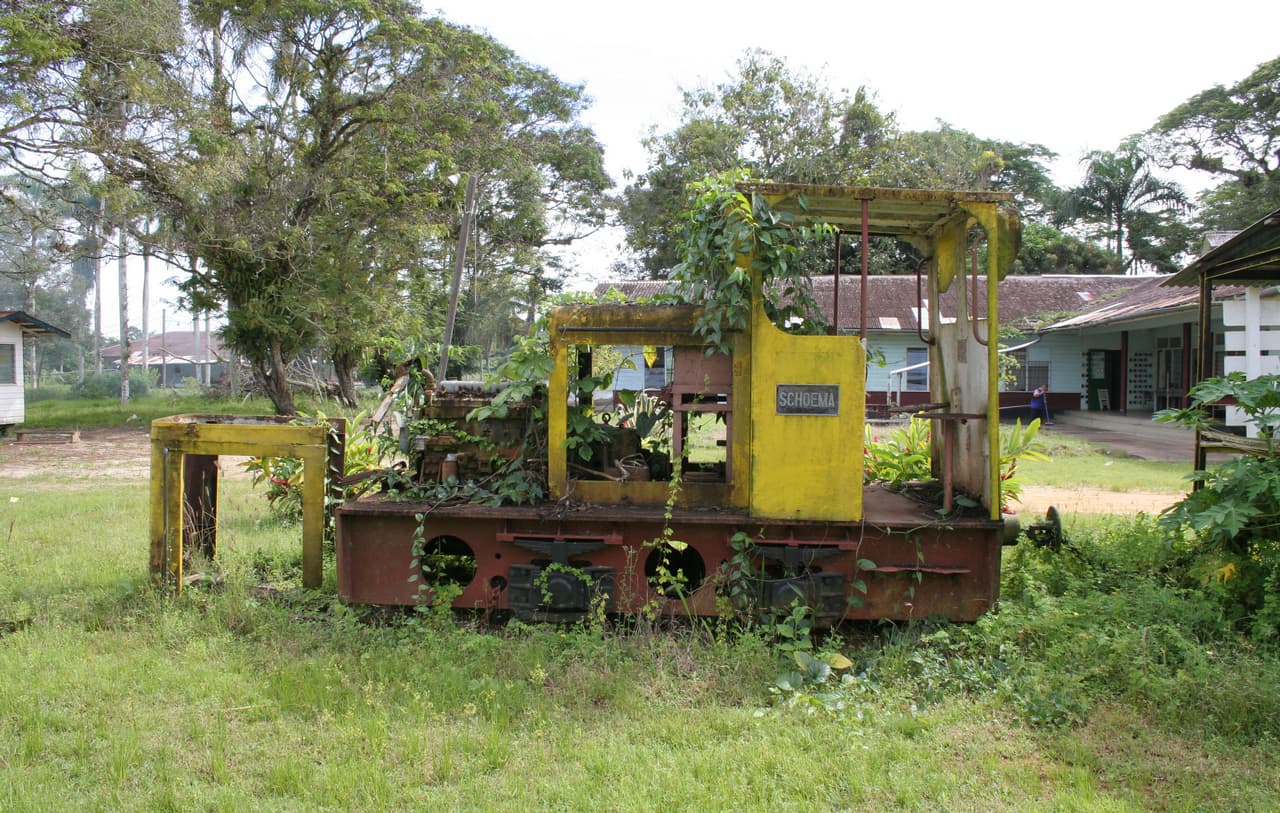
See the Ruins of Mariënburg
Mariënburg was once Suriname's largest sugar operation, built around a central factory that opened in 1882 and ran on a rail line, the country's first, that carried cane in from surrounding plantations. The factory closed in 1986, and what's left today is a slowly decaying industrial site: rusted machinery, an old rail line, and colonial-era worker housing standing empty. It's a different kind of attraction than the restored plantations elsewhere in the district, closer to exploring a ruin than visiting a museum, and it's best arranged through a local guide who knows the site's history and can navigate it safely.