A small country packed with massive rainforests, unique cultures, and an absolutely stunning UNESCO capital city.
What is Suriname
Suriname is a small country on the northeast coast of South America. It borders the Atlantic Ocean, French Guiana, Brazil, and Guyana. Only about 633,000 people live here. It is the smallest country in South America, but it holds a massive amount of nature and culture.
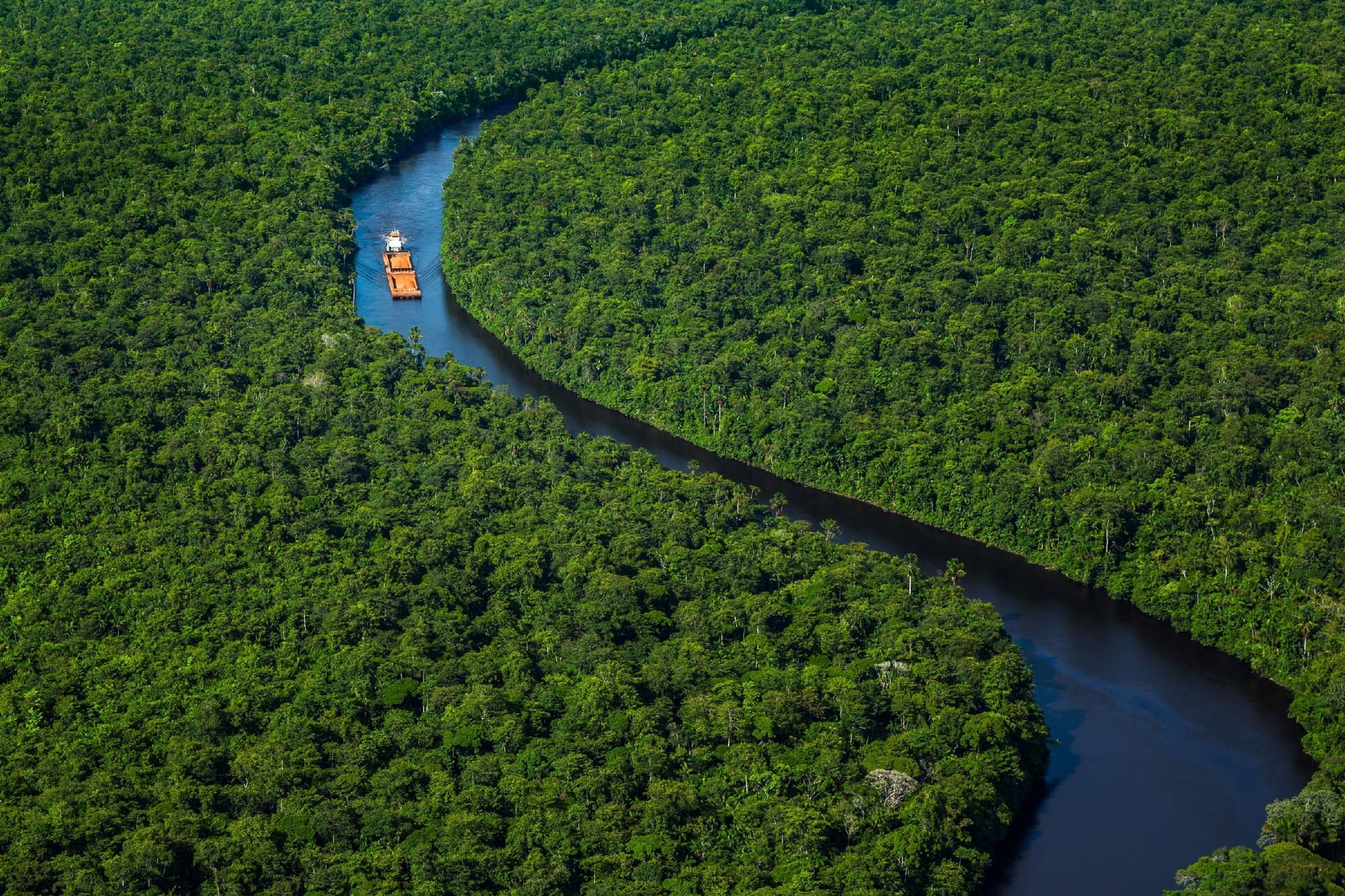
Over 93% of Suriname is primary tropical rainforest. That is the highest percentage in the world. Most people live near the coast. The deep interior of the country is almost entirely untouched jungle. The Central Suriname Nature Reserve is huge. At 1.6 million hectares, it is roughly the size of the entire country of Kuwait.
Dutch is the official language. Suriname was a Dutch colony for 300 years, and it is the only independent South American country that speaks Dutch today.
Population and area from recent estimates. Suriname's government cites approximately 616,500 people and 163,820 km² in its 2021 census-based Guide for Immigrants.
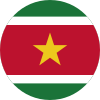
Green = forests. White = peace. Red = progress. Gold star = unity of the people.
People in Suriname
Suriname has no ethnic majority. The population comes from Indigenous roots, Dutch colonists, enslaved Africans, and contracted workers. After slavery ended, the Dutch brought workers from India, Java (Indonesia), and China to work on plantations. Today, everyone lives together.
The Hindustani community makes up about 27% of the population. Their ancestors came from British India between 1873 and 1916. The Javanese make up 14%. The Creole community (16%) are descendants of enslaved Africans who stayed on the coast. The Maroons (22%) are descendants of enslaved Africans who escaped into the jungle. The Maroons kept their own languages and rules for over 300 years.
You can see this mix everywhere. A mosque and a synagogue sit right next to each other on Keizerstraat in Paramaribo. Surinamers practice a range of faiths side by side, including Christianity, Hinduism, Islam, and Winti, an Afro-Surinamese spiritual tradition rooted in the culture the Maroons carried into the jungle. National holidays include Holi, Eid al-Fitr, Christmas, and Keti Koti (Emancipation Day).
Ethnic composition
* Based on the latest available 2012 National Census data.
Languages spoken in Suriname
Cultural links
The capital city
Paramaribo is the only major city in Suriname. About 300,000 people live in the city and the surrounding area. That is nearly half the country. All government buildings, major banks, and big hotels are here.
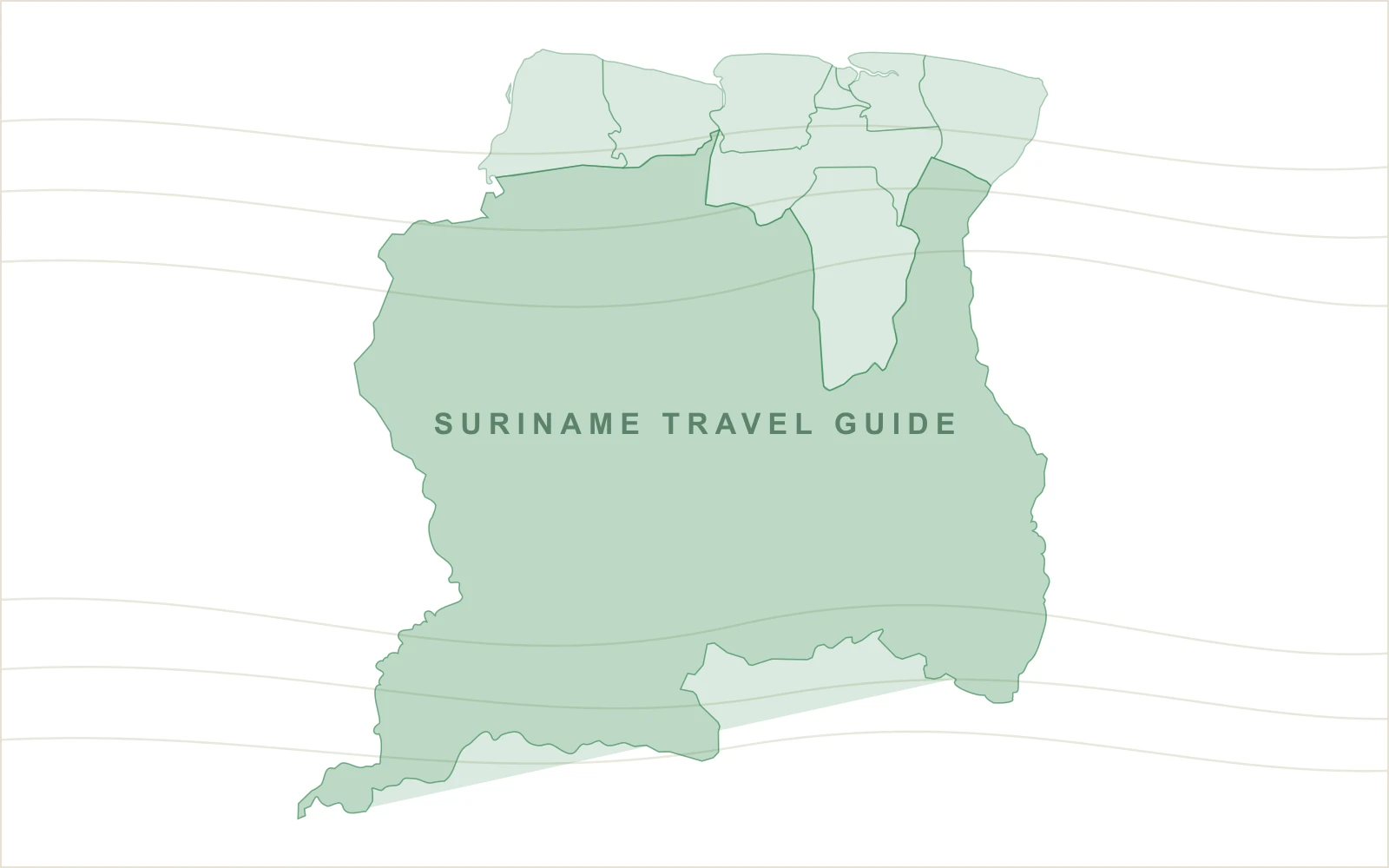
The historic inner city is a UNESCO World Heritage Site. You will find old Dutch wooden buildings near Independence Square and the Waterkant (the riverside). Fort Zeelandia is a Dutch fort built in the 1600s. It sits right on the river and now holds the national museum.
The Central Market is packed with vendors. People from every culture sell fresh fruit, spices, and street food. You can buy completely different cultural meals just steps apart.
At night, people hang out at the Waterkant to grab a drink and eat by the water. The city is easy to walk around and generally very safe.
Hotels, restaurants, transport, and walking routes in the capital.
Suriname places
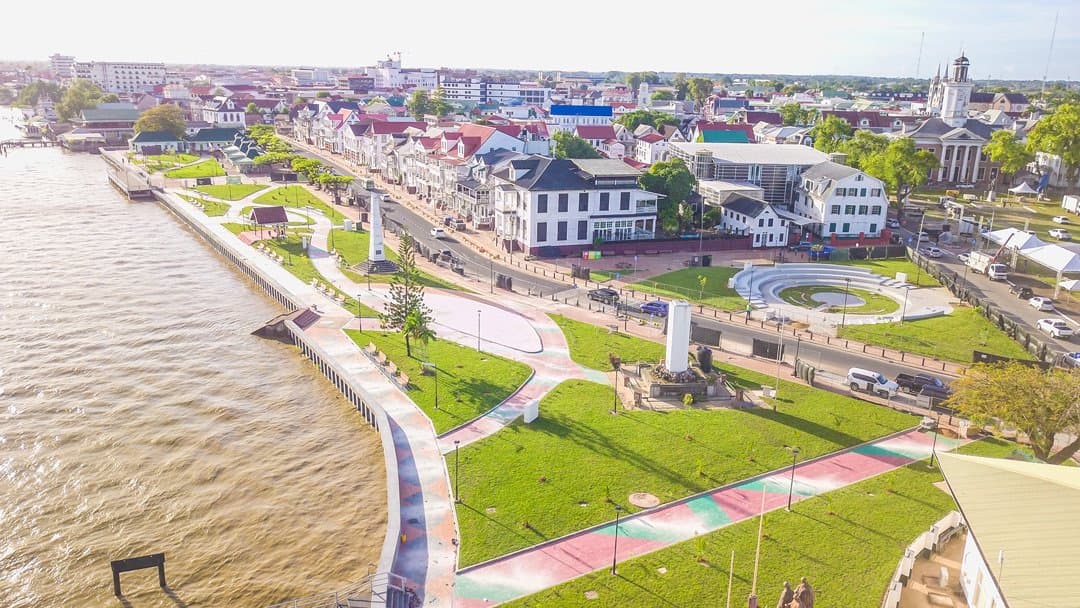
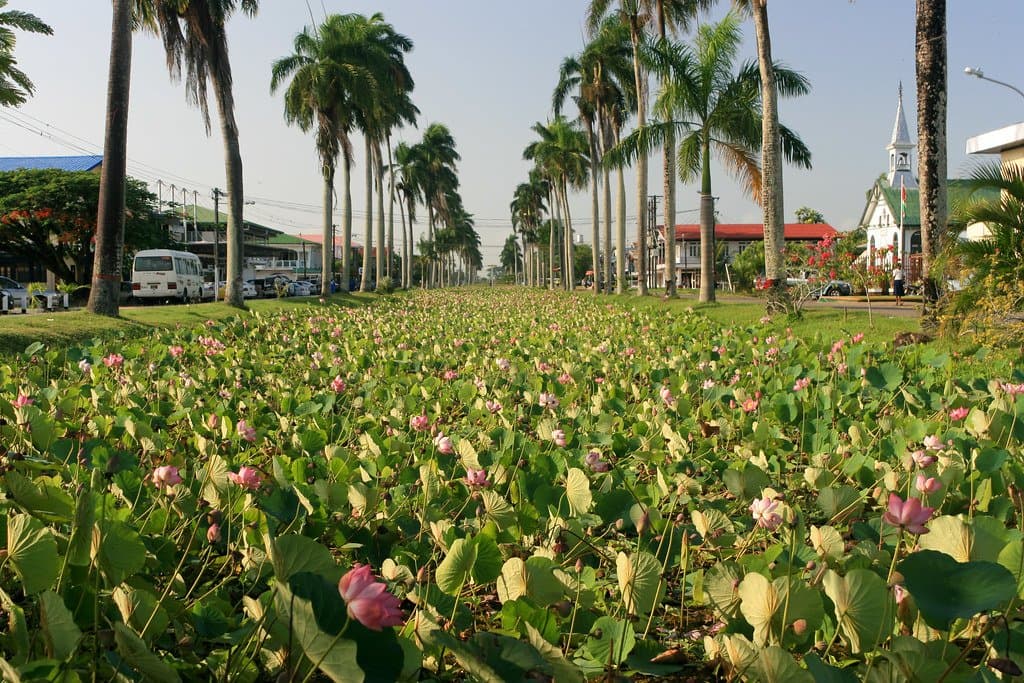
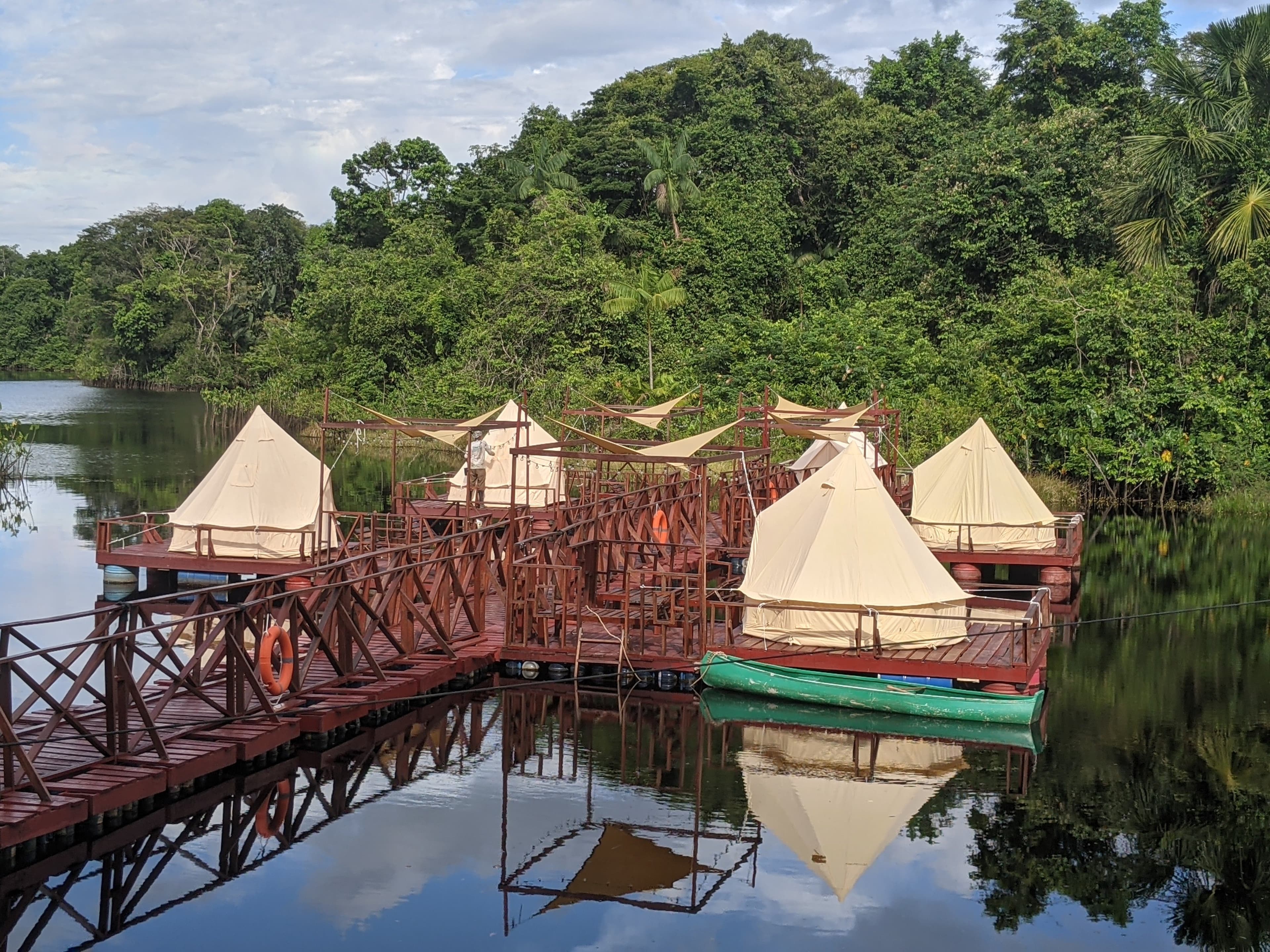
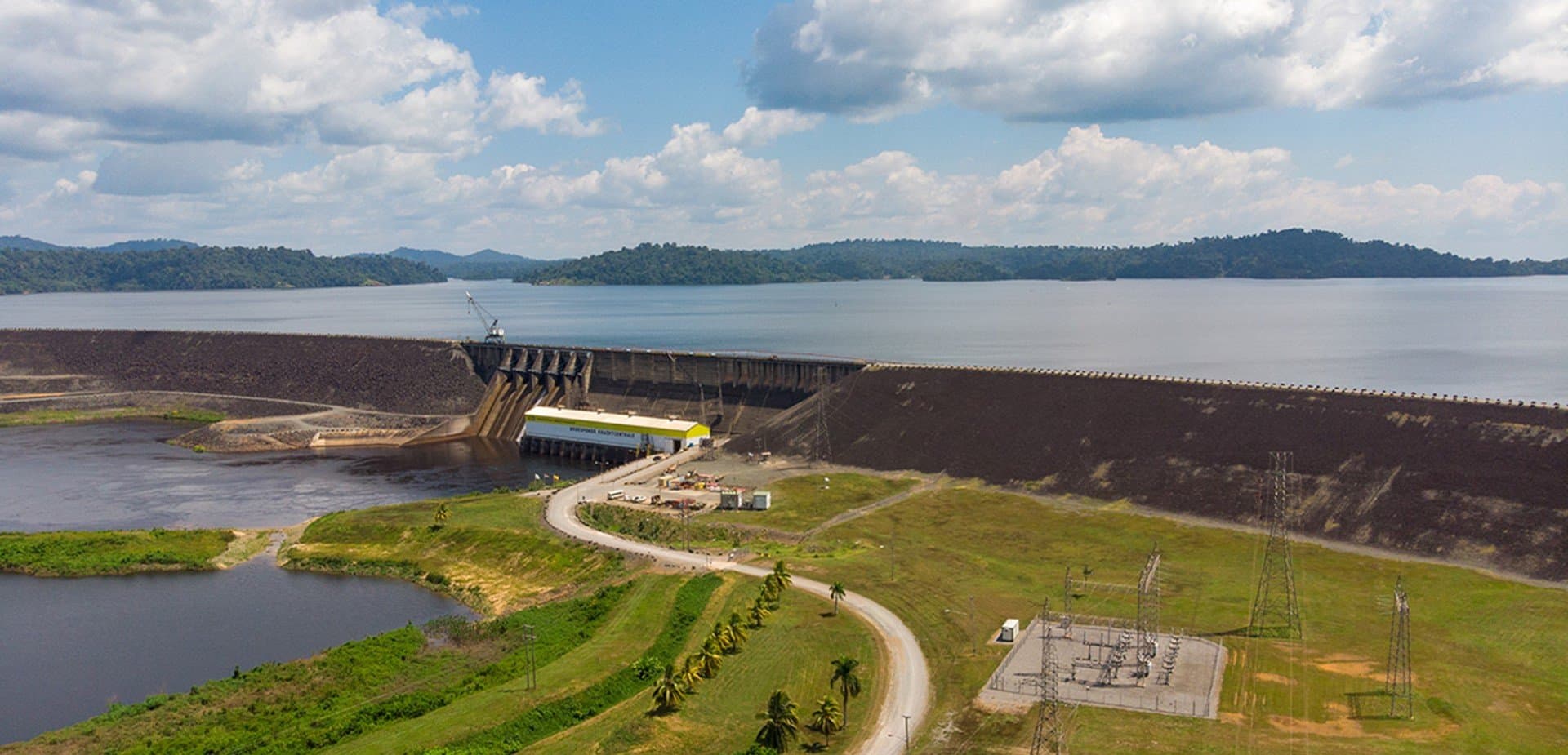
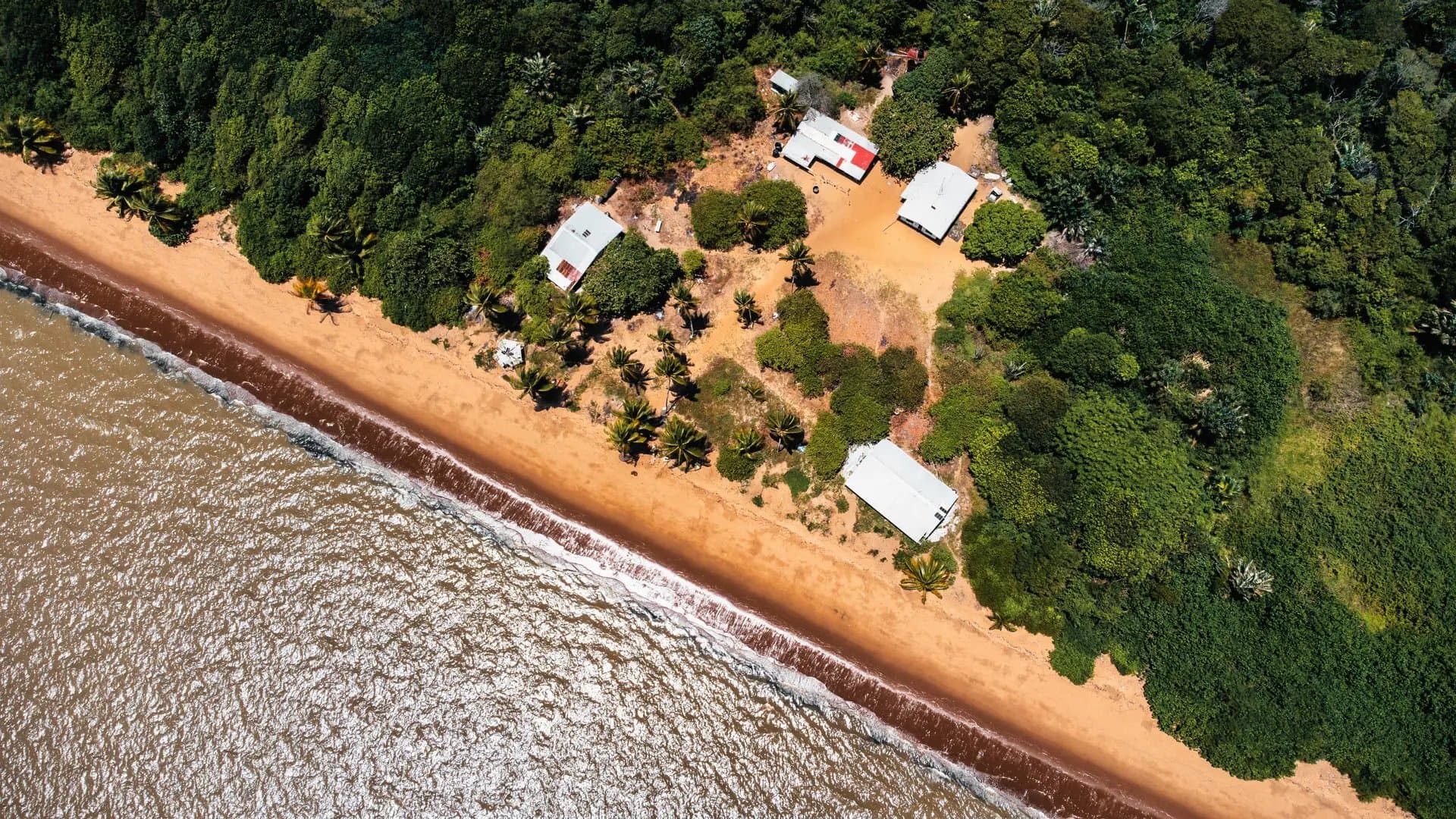
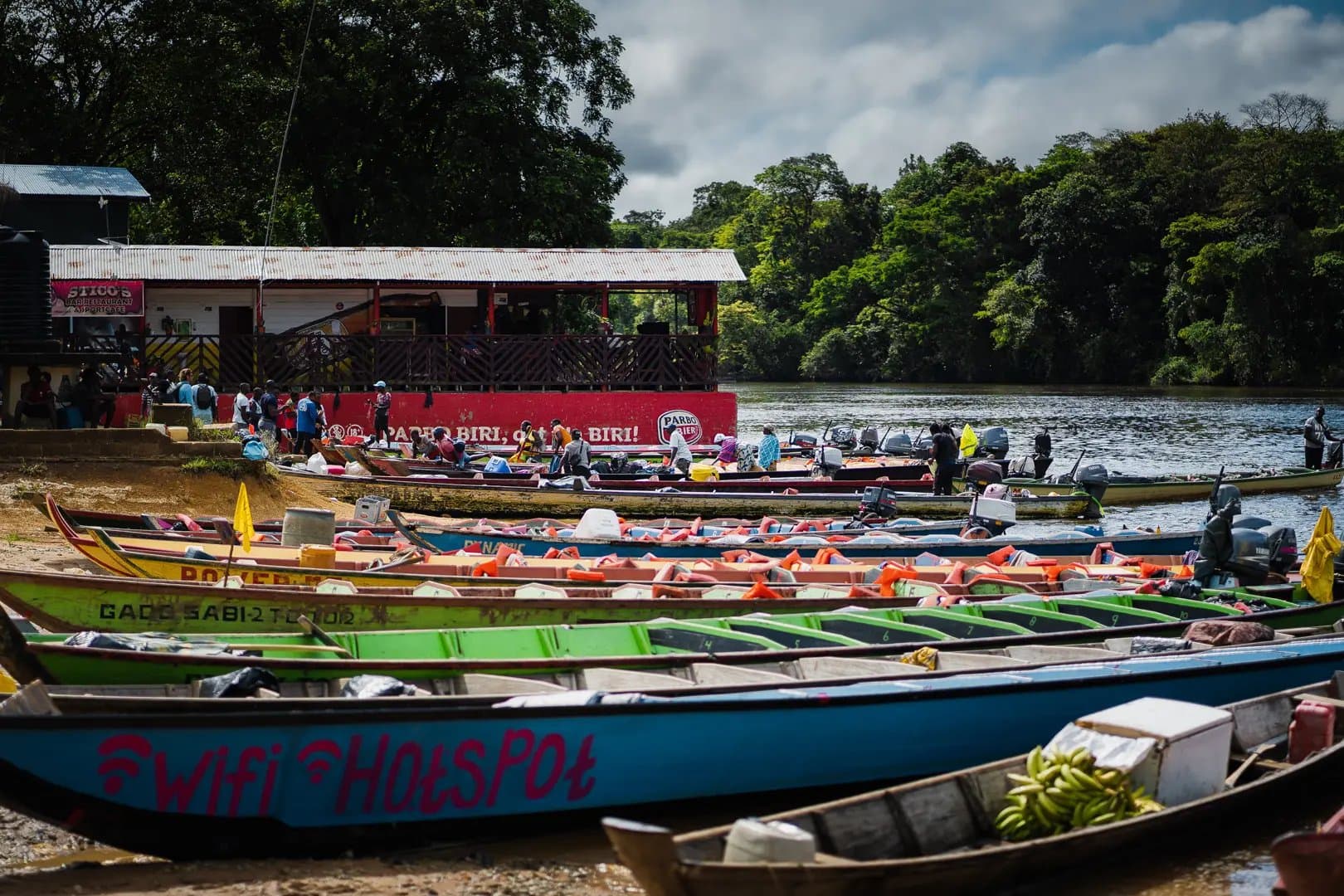
Suriname has ten districts. Most visitors base themselves in Paramaribo and take trips out into the jungle. As you travel further south, the land gets much wilder. Travelling in the deep south takes more time because there are very few roads. You often have to take a long boat ride or a small plane.
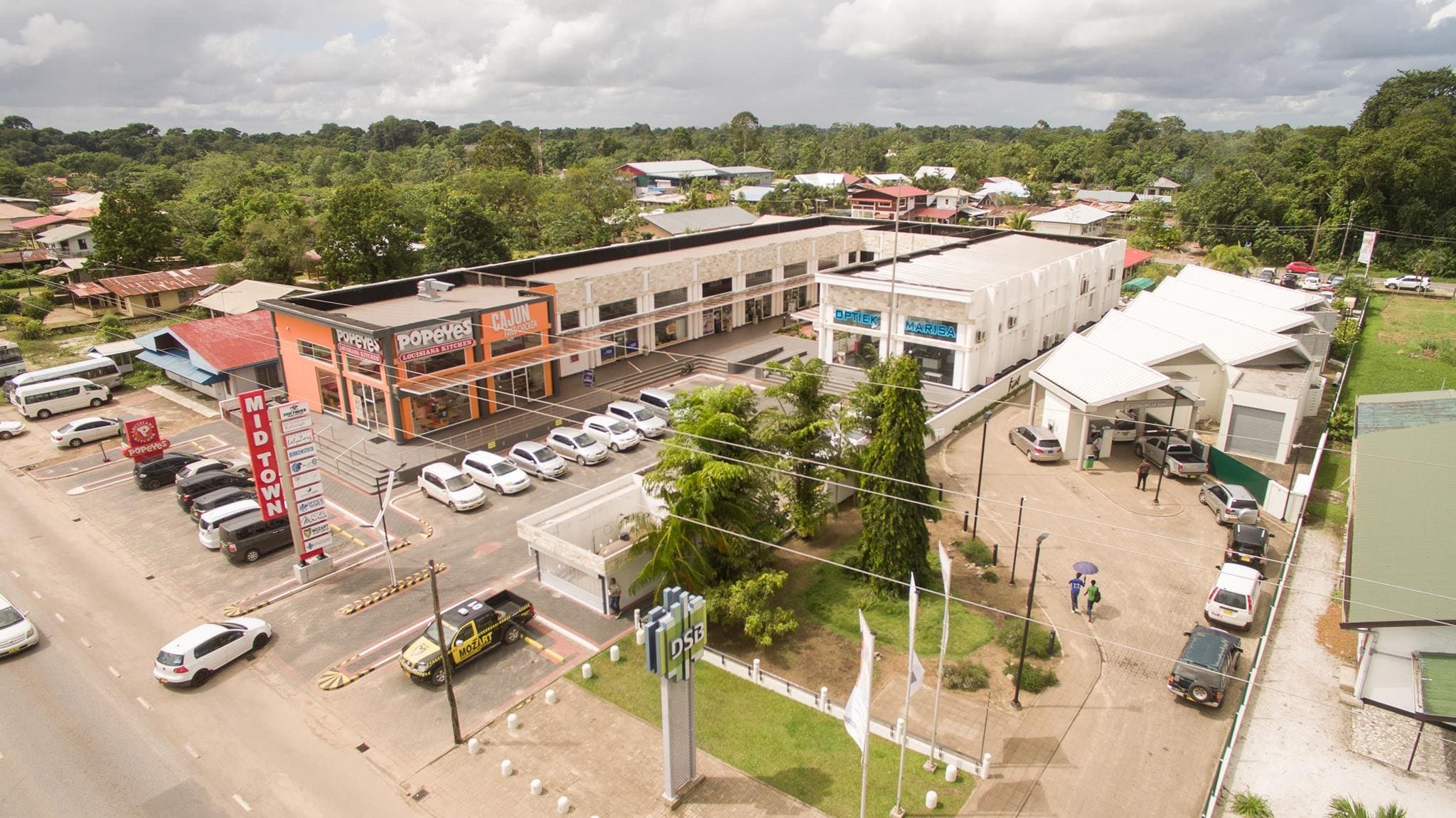
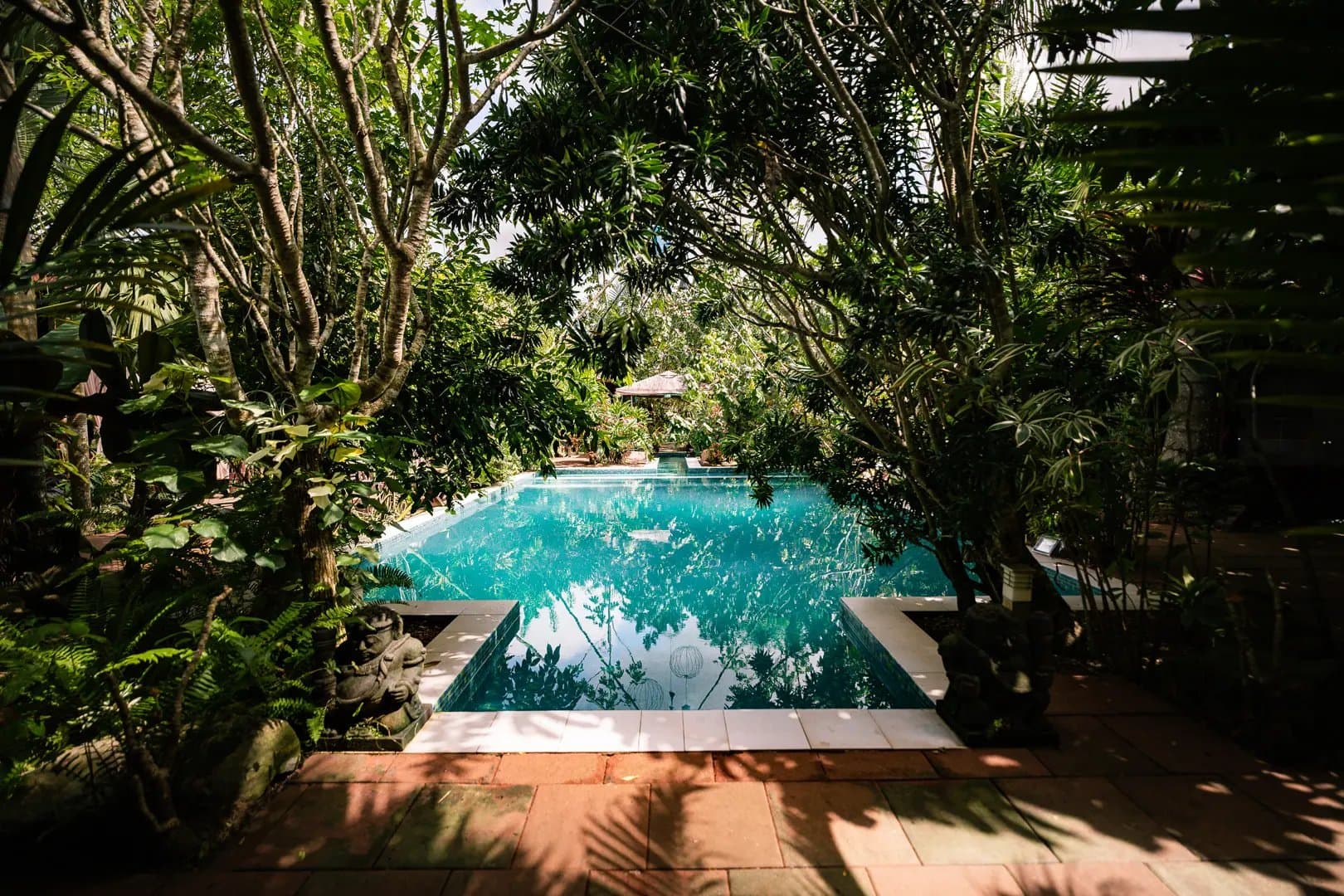
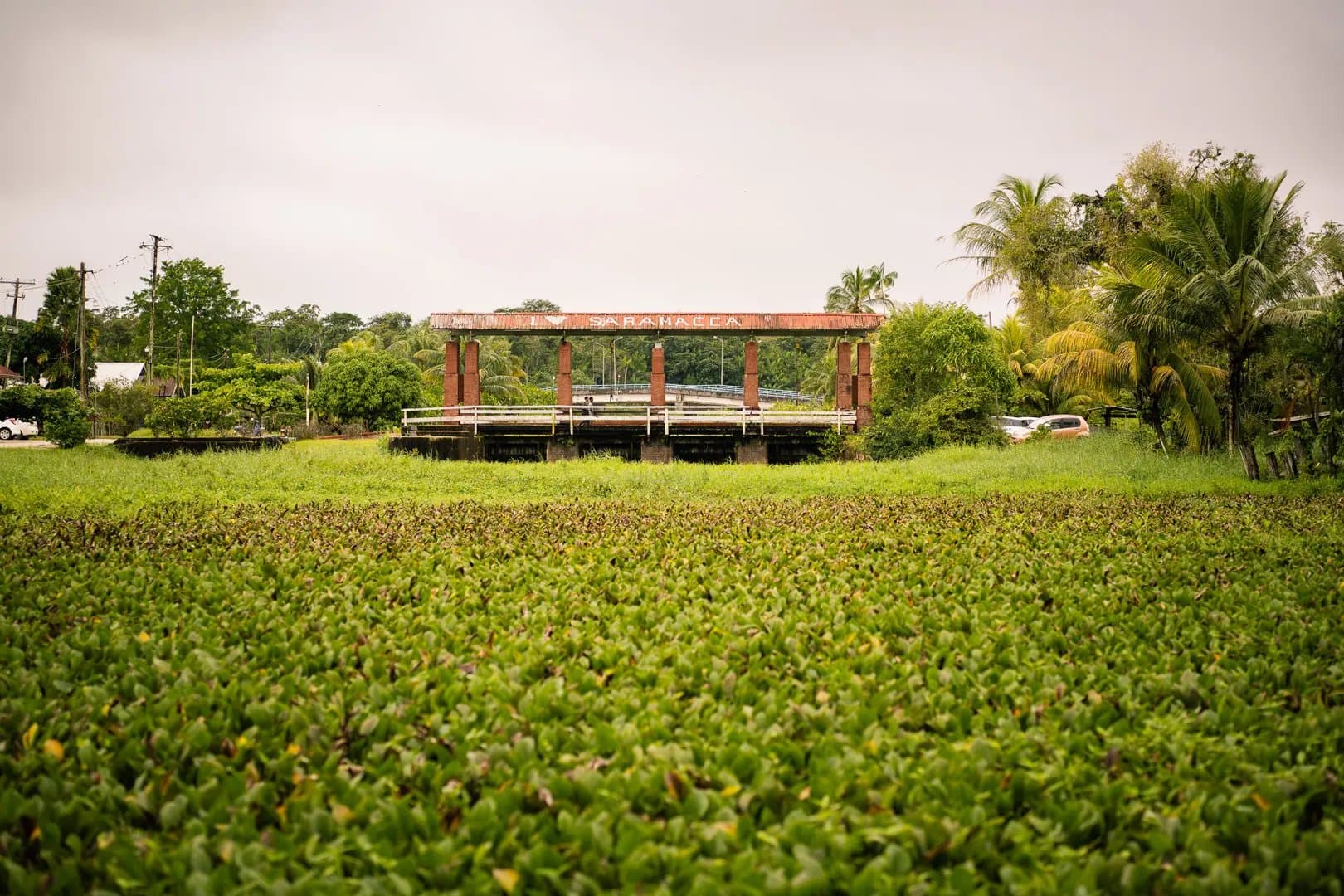
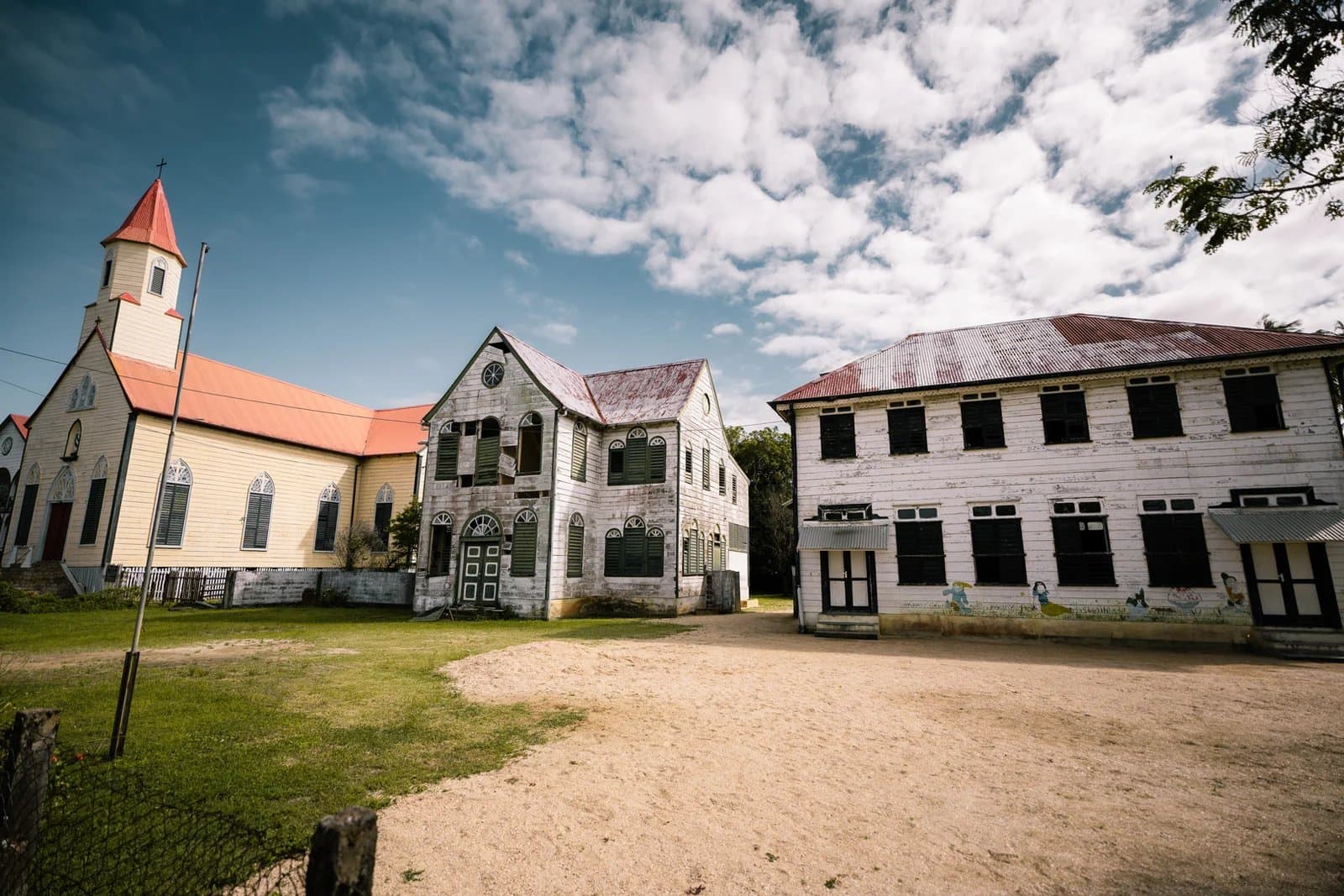
Interactive Map
Click any district to explore it.
The natural world
Suriname's defining feature is its forest. More than 93% of the country is covered by primary tropical rainforest. This is old forest that has never been cleared at a big scale. The Central Suriname Nature Reserve is a UNESCO World Heritage Site. It covers 1.6 million hectares and is one of the five largest protected areas in South America.
Because the forest is intact, Suriname still has huge wildlife populations. You can find jaguars, giant river otters, harpy eagles, tapirs, and giant anteaters. Over 670 bird species live here. The rivers support incredible freshwater life. Sea turtles nest at Galibi on the northeast coast. This is one of the most important nesting spots in the Western Hemisphere.
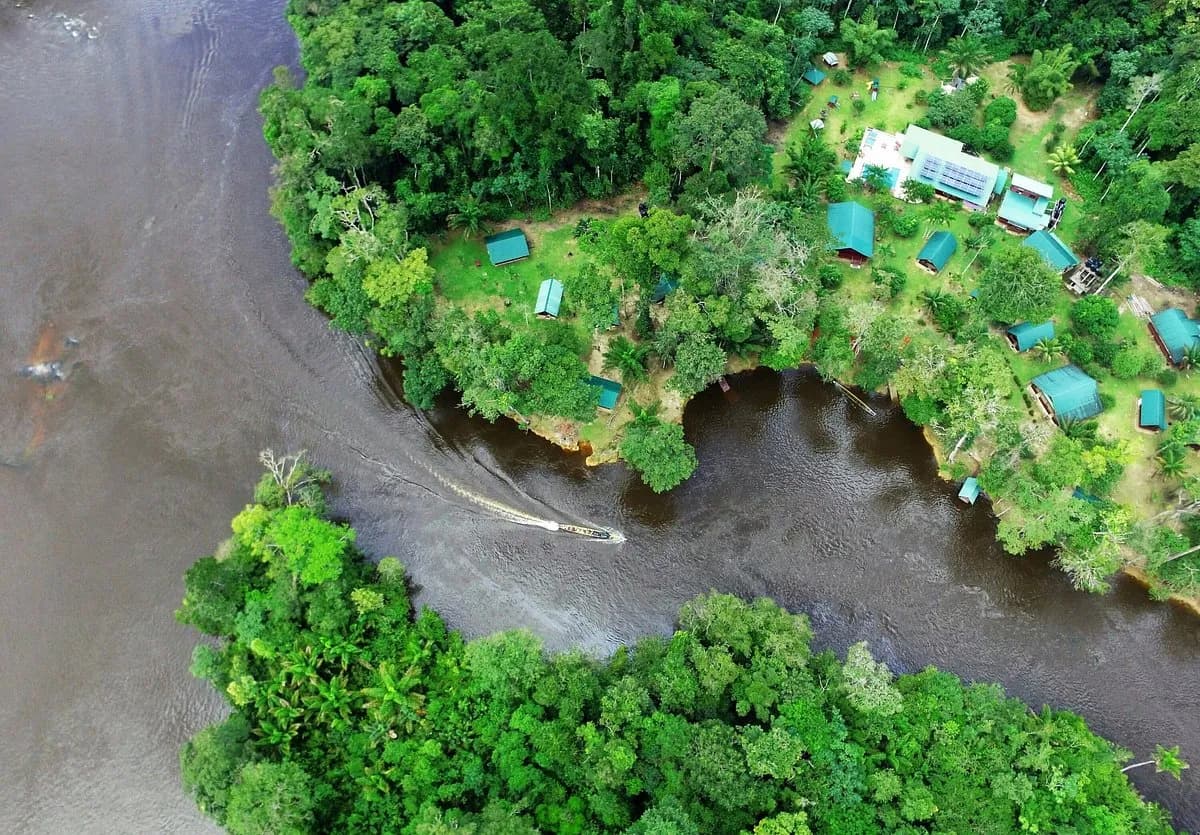
You need a guide and some time to reach the best wildlife spots. Brownsberg Nature Park is a two-hour drive from the city. It is the easiest jungle to reach. If you want to see Raleighvallen or deeper jungle areas, you have to spend days on a riverboat. Some places like Kabalebo are only reachable by small airplanes. You can do an easy day trip or a wild expedition.
When to go
Suriname is hot all year round. The temperature in Paramaribo usually stays between 22°C at night and 32°C during the day. Water is the only thing that changes. Suriname has two dry seasons and two rainy seasons. The rain changes the dirt roads to mud and raises the river levels. This makes a big difference if you want to travel into the jungle.
Getting there & getting around
Suriname is not built for mass tourism. There are no huge resorts and very few roads in the jungle. There are also no regular flights inside the country. This makes it a real adventure. If you plan ahead, you will have a great trip.
Numbers via Suriname's Guide for Immigrants.
Everything from visas to tour operators, itineraries to accommodation.
Discover the Suriname Most Travelers Never See
Secret spots, local tips, and 2026 itineraries.