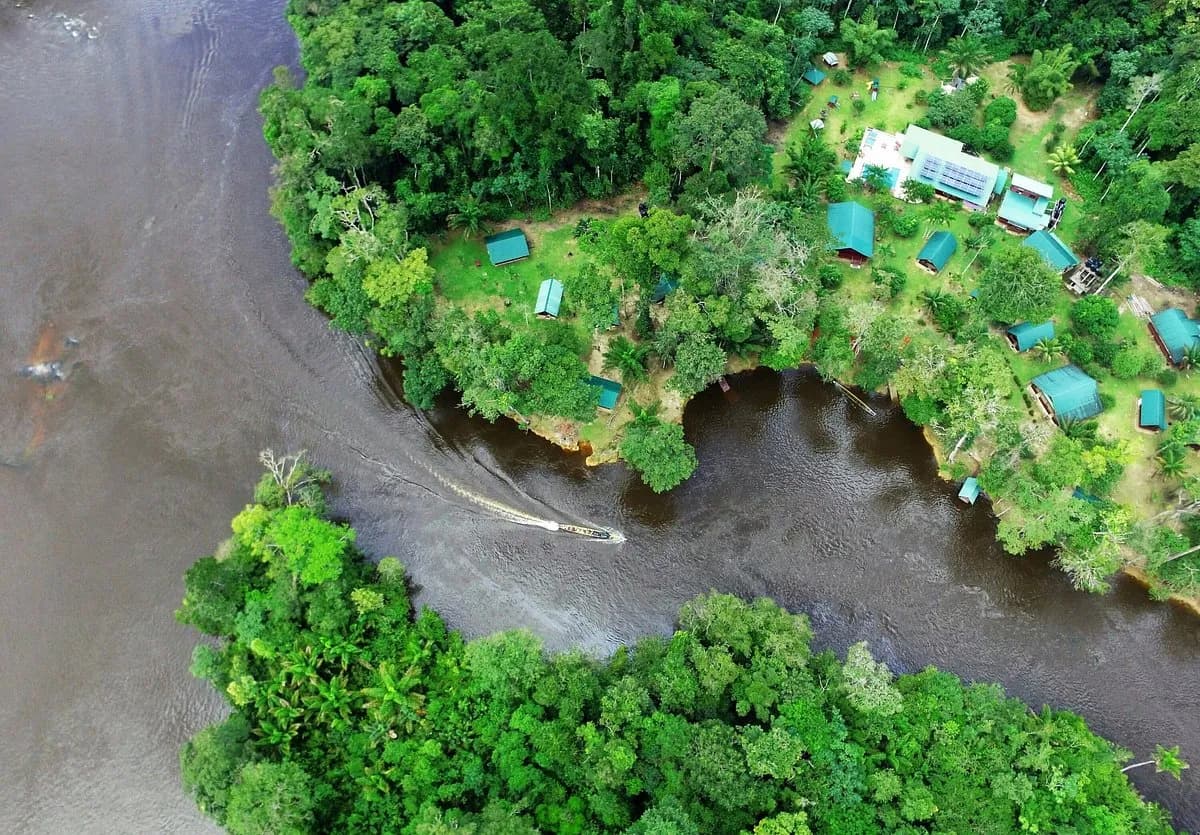
Suriname is a straightforward destination health-wise, and one important piece of advice about it changed very recently.
The malaria-free update
On 30 June 2025, the World Health Organization certified Suriname malaria-free, the first country in the Amazon region to reach that status. This followed a documented drop from roughly 15,000 annual malaria cases in 2001 to a single case in 2021, and three consecutive years without any locally transmitted infections. In practice, this means malaria prophylaxis, long a standard recommendation for travel into Suriname's interior, is no longer something you need to plan around. A lot of older travel content online hasn't caught up with this yet, so if you see a guide still pushing antimalarials for a jungle lodge trip, treat that as outdated. As always, confirm current guidance with a travel clinic close to your departure date, since recommendations can be revisited.
Yellow fever
Yellow fever vaccination is a different matter and is still required for travelers arriving from certain at-risk countries. See our full answer on yellow fever vaccination requirements for Suriname for who needs it and how proof is checked.
General safety
Suriname is a generally safe destination for travelers who take normal precautions, particularly in Paramaribo and the coastal districts. See our honest guide to whether Suriname is safe to travel for a fuller picture, including where petty crime is more of a concern and what to watch for in the capital after dark.
Emergency numbers
- Police / general emergency: 115
- Ambulance: 113
- Johan Adolf Pengel International Airport (PBM): +597 324 444
Medical care is concentrated in Paramaribo. If you're heading into the interior for a multi-day trip, travel insurance with medical evacuation cover is worth treating as essential rather than optional, since serious medical care isn't available locally past the coast.